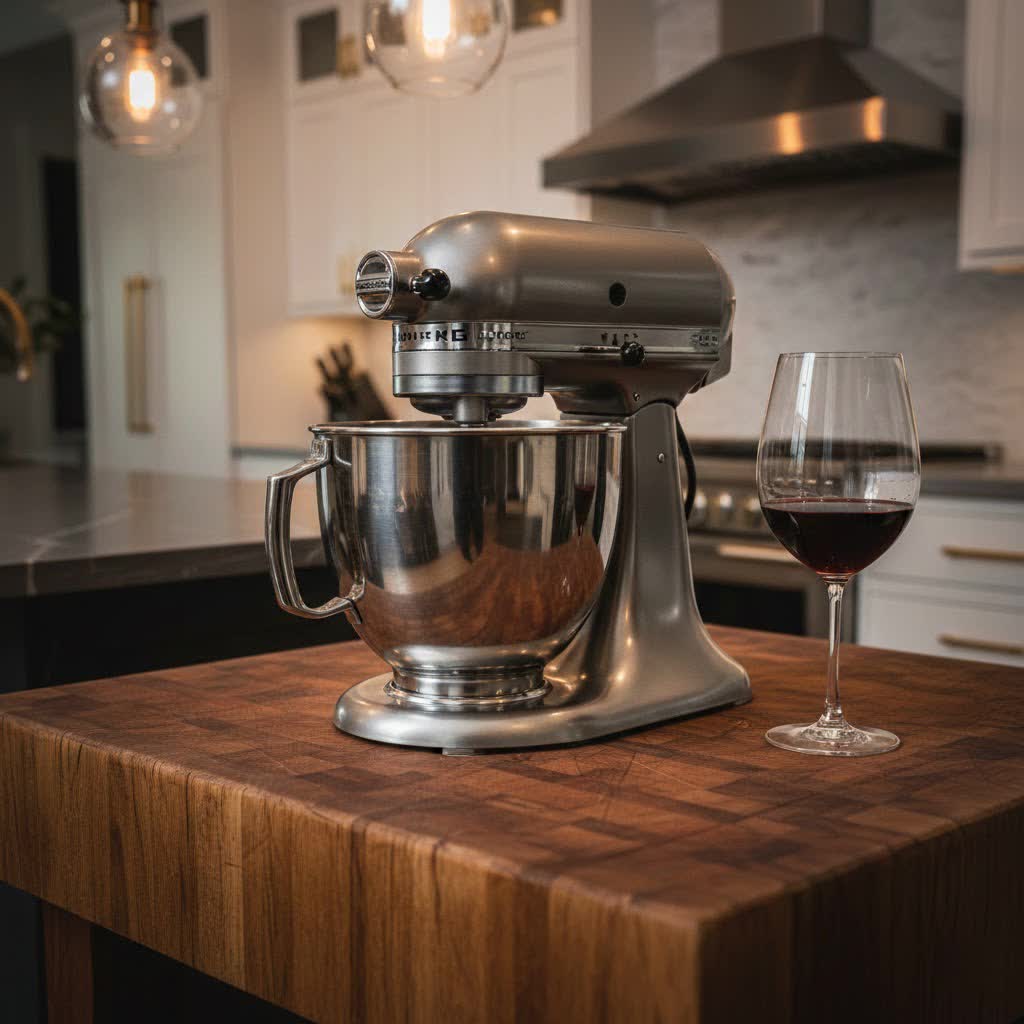
For any home baker or seasoned chef, a KitchenAid stand mixer is often the heart of the kitchen, transforming raw ingredients into culinary masterpieces. While the mixer itself is the powerhouse, the unsung hero is undoubtedly the KitchenAid stand mixer bowl – a versatile vessel that directly impacts your mixing efficiency, preparation, and even the aesthetic appeal of your kitchen. Understanding the nuances of these bowls, from their materials and capacities to their compatibility and care, is crucial for maximizing your mixer’s potential and making your baking journey smoother and more enjoyable. This comprehensive guide will delve into everything you need to know to choose, use, and maintain the perfect KitchenAid stand mixer bowl for your needs.
An Overview of KitchenAid Stand Mixer Bowls
A KitchenAid stand mixer bowl serves as the primary container where all your ingredients come together. It securely attaches to the mixer, allowing the various attachments – whisks, beaters, and dough hooks – to perform their mixing magic with precision and consistency. Over the years, KitchenAid has evolved its bowl designs to cater to diverse baking demands and aesthetic preferences, offering a rich variety beyond the standard stainless steel.
KitchenAid primarily offers bowls compatible with three main types of stand mixers: tilt-head, bowl-lift, and the Artisan Mini tilt-head models. It’s important to note that bowls are generally not interchangeable between these fundamental mixer types. However, within each type, especially for full-sized tilt-head mixers, you’ll find numerous interchangeable options, allowing you to customize your setup with different capacities and materials.
The Benefits of Different KitchenAid Stand Mixer Bowls
The right KitchenAid stand mixer bowl can significantly enhance your culinary experience, offering benefits that go beyond simple ingredient containment.
Versatility in Materials
|
Our Picks for the Best Stand Mixer in 2026
As an Amazon Associate I earn from qualifying purchases.
|
||
| Num | Product | Action |
|---|---|---|
| 1 | VIVOHOME Stand Mixer, 660W 10 Speed 6 Quart Tilt-Head Kitchen Electric Food Mixer with Beater, Dough Hook, Wire Whip and Egg Separator, Blue |

|
| 2 | VIVOHOME Stand Mixer, 660W 10 Speed 6 Quart Tilt-Head Kitchen Electric Food Mixer with Beater, Dough Hook, Wire Whip and Egg Separator, Black |
|
| 3 | VIVOHOME Stand Mixer, 660W 10 Speed 6 Quart Tilt-Head Kitchen Electric Food Mixer with Beater, Dough Hook, Wire Whip and Egg Separator, Pink |
|
| 4 | VIVOHOME Stand Mixer, 660W 10 Speed 6 Quart Tilt-Head Kitchen Electric Food Mixer with Beater, Dough Hook, Wire Whip and Egg Separator, Gray |
|
| 5 | Kitchen in the box Stand Mixer,3.2Qt Small Electric Food Mixer,6 Speeds Portable Lightweight Kitchen Mixer for Daily Use with Egg Whisk,Dough Hook,Flat Beater (Blue) |
|
| 6 | VIVOHOME 3-in-1 Stand Mixer, 6 Quart Electric Tilt-Head Kitchen Mixer with Bowl, Multifunctional Food Mixer with Meat Grinder and Blender Attachments, Dough Hook, Beater, and Whisk, Red |
|
| 7 | VIVOHOME Stand Mixer, 660W 10 Speed 6 Quart Tilt-Head Kitchen Electric Food Mixer with Beater, Dough Hook, Wire Whip and Egg Separator, Red |
|
| 8 | Kitchen in the box Stand Mixer,3.2Qt Small Electric Food Mixer,6 Speeds Portable Lightweight Kitchen Mixer for Daily Use with Egg Whisk,Dough Hook,Flat Beater (Black) |
|
| 9 | VIVOHOME Stand Mixer, 660W 10 Speed 6 Quart Tilt-Head Kitchen Electric Food Mixer with Beater, Dough Hook, Wire Whip and Egg Separator, Silver |
|
| 10 | Stand Mixer, Zuccie 4.8QT Kitchen Electric Stand Mixer, 380W Motor Power Food Mixer, 8+P-Speed Dough Mixer with Dough Hook, Wire Whip & Beater, Silver |
|
KitchenAid bowls come in a variety of materials, each bringing unique advantages to your kitchen. Stainless steel is renowned for its durability and lightweight nature, making it easy to handle and clean. Glass bowls offer visibility, allowing you to monitor mixing progress, and often feature convenient measurement markings. Ceramic bowls, with their array of colors and patterns, add a decorative touch while also being highly functional. Copper bowls provide a touch of elegance and rustic charm. This material versatility means you can choose a bowl not just for its function, but also for how it complements your kitchen’s style.
Capacity for Various Tasks
From whipping a single egg white to kneading dough for multiple loaves of bread, having the right bowl capacity is key. KitchenAid offers bowls ranging from a compact 3 quarts for smaller batches or specialized tasks, up to a generous 7 or even 8 quarts for large-scale baking or professional use. This ensures you always have enough space for your ingredients without overflow, making your mixing process more efficient and less messy.
Design and Aesthetics
Beyond pure utility, KitchenAid stand mixer bowls are designed to be visually appealing. Ceramic bowls, in particular, come in a stunning array of colors, textures, and patterns, turning your mixer into a stylish countertop appliance. Even stainless steel bowls can come with polished or hammered finishes, while glass bowls offer a sleek, modern look. For those who enjoy showcasing their kitchen tools, these design options allow for personal expression.
Ease of Use and Care
Many KitchenAid bowls are designed with user convenience in mind. Features like comfortable handles, pour spouts, and lids for storage or proofing dough contribute to a more seamless baking workflow. Most materials are also dishwasher-safe, simplifying cleanup. The microwave-safe properties of some glass and ceramic bowls further add to their utility, allowing for easy melting or softening of ingredients directly in the mixing bowl.
Key Factors When Choosing a KitchenAid Stand Mixer Bowl
Selecting the ideal KitchenAid stand mixer bowl involves considering several practical aspects to ensure it perfectly matches your baking habits and your specific mixer model.
Capacity and Your Needs
The size of your bowl should directly correlate with the volume of your typical recipes.
- Small Batches (3-3.5 Quarts): Ideal for single batches of cookies, whipping small quantities of cream, or preparing glazes. Perfect for individuals or small households.
- Standard Batches (4.5-5 Quarts): This is the most common size, suitable for regular family baking, mixing batters, and kneading average-sized doughs. Most tilt-head mixers come with this capacity.
- Large Batches (6-7 Quarts): Essential for larger families, frequent entertaining, or professional bakers who often prepare multiple batches of dough or batter. These are typically associated with bowl-lift models.
Choosing a slightly larger bowl than you think you need can often be a wise investment, providing flexibility for bigger recipes without the need to split ingredients or mix in multiple batches.
Material Matters
The material of your KitchenAid stand mixer bowl influences its performance, aesthetics, and maintenance.
- Stainless Steel:
- Pros: Extremely durable, lightweight, resistant to odors and stains, retains temperature well (good for chilling ingredients), generally dishwasher safe. Standard with most mixers.
- Cons: Opaque, so you can’t see the mixing process. Cannot be microwaved.
- Best For: Everyday heavy-duty use, temperature-sensitive recipes, high-volume baking.
- Glass:
- Pros: Transparent (allows visual monitoring), often has measurement markings, aesthetically pleasing, microwave and freezer safe (for tilt-head models without metal bands), dishwasher safe.
- Cons: Heavier than stainless steel, more prone to breaking if dropped, glass bowls for bowl-lift models often have metal trim bands that make them unsuitable for microwave use.
- Best For: Beginners who want to observe mixing, precise ingredient measurement, melting butter or chocolate directly in the bowl.
- Ceramic:
- Pros: Beautiful and decorative, oven safe (up to 475°F), microwave and dishwasher safe, resists chipping, cracking, and staining, often features a pour spout and handle.
- Cons: Heavier than stainless steel, compatible only with full-sized tilt-head mixers, can chip or break if mishandled.
- Best For: Bakers who prioritize aesthetics, those who want to use the bowl for baking (e.g., bread in a ceramic bread bowl), or desire a multi-functional bowl.
- Copper:
- Pros: Striking appearance, excellent heat conductivity (useful for tempering chocolate or whipping egg whites), often has a unique hammered finish.
- Cons: Requires careful cleaning to maintain luster, can react with acidic ingredients (though less of an issue with modern linings), not microwavable. Primarily for tilt-head models.
- Best For: Bakers seeking a premium, show-stopping look, specialized confectionery tasks.
Compatibility
Not all KitchenAid bowls fit all mixers. This is paramount.
- Mixer Type: Bowls are specific to either tilt-head, bowl-lift, or mini tilt-head models. Never attempt to force a bowl designed for one type onto another.
- Model Series: Within each type, most standard bowls are interchangeable, but always double-check the product description for compatibility with your specific model number. Some older or commercial models might have unique requirements.
Features and Accessories
Consider these additional features that can enhance your bowl’s functionality:
- Handles: A comfortable handle, whether integrated or a loop design, makes lifting, pouring, and scraping significantly easier.
- Pour Spouts: Found on many glass and ceramic bowls, a pour spout minimizes drips and makes transferring batters or liquids cleaner.
- Lids: Some bowls come with lids, perfect for proofing dough, storing prepared ingredients, or even baking (like the specialized bread bowls).
- Included Attachments: Be aware that some specialized bowls (e.g., a 3-quart stainless steel bowl with a combi-whip for bowl-lift models) might only work with specific attachments. If you swap bowls, you may need to purchase standard beaters separately to ensure proper fit and function.
Comparing Popular KitchenAid Stand Mixer Bowls
Here’s a general comparison of common KitchenAid stand mixer bowl types to help you visualize their differences and strengths.
| Feature | Stainless Steel Bowl | Glass Bowl | Ceramic Bowl |
|---|---|---|---|
| Durability | Excellent (dent-resistant) | Good (shatter-prone if dropped) | Good (chip/crack-resistant, but can break) |
| Transparency | Opaque | Transparent (visible mixing) | Opaque |
| Capacity Range | 3 – 7+ Quarts | 3.5 – 6 Quarts | 4.5 – 5 Quarts (mostly tilt-head) |
| Microwave Safe | No | Yes (tilt-head without metal band) | Yes |
| Oven Safe | No | No | Yes (up to 475°F for some models) |
| Dishwasher Safe | Yes | Yes | Yes |
| Key Benefits | Lightweight, robust, temperature retention | Visibility, measurement markings, aesthetic | Aesthetic, versatile cooking, heat retention |
| Compatibility | All mixer types | Tilt-head & Bowl-lift (model-dependent) | Primarily full-sized Tilt-head (4.5 & 5 qt) |
Using and Caring for Your KitchenAid Stand Mixer Bowl
Proper usage and maintenance will extend the life of your KitchenAid stand mixer bowl and ensure optimal performance.
Safe Usage Tips
- Secure Attachment: Always ensure your bowl is properly locked onto the mixer base before beginning to mix. For tilt-head models, twist the bowl until it clicks into place. For bowl-lift models, position the bowl’s pins into the mixer arms and raise the bowl until it locks.
- Attachment Clearance: Before turning on your mixer, lower the head (for tilt-head) or raise the bowl (for bowl-lift) and check that the chosen attachment clears the bottom and sides of the bowl without scraping. Adjust the beater-to-bowl clearance if necessary.
- Overfilling: Avoid overfilling the bowl, as this can lead to spills and strain on the mixer’s motor. Refer to your recipe and bowl capacity limits.
- Temperature Considerations: While stainless steel handles temperature changes well, be cautious with extreme temperature shifts for glass and ceramic bowls to prevent thermal shock.
Cleaning and Maintenance
Most KitchenAid stand mixer bowls are designed for easy cleaning.
- Dishwasher Safe: Stainless steel, glass, and ceramic bowls are generally dishwasher safe. Always check your specific bowl’s care instructions.
- Hand Washing: For delicate designs or to prolong the life of specialized finishes (like copper), hand washing with warm, soapy water is recommended. Avoid abrasive scrubbers that could scratch surfaces.
- Microwave Use: Only use tilt-head glass bowls without metal bands and ceramic bowls in the microwave for melting ingredients. Never microwave stainless steel bowls or glass bowls with metal accents.
Common Issues and Troubleshooting
- Bowl Not Fitting: This is almost always a compatibility issue. Double-check your mixer type (tilt-head vs. bowl-lift) and bowl size against your mixer’s model specifications.
- Beater Scraping/Not Reaching: If your attachment is scraping the bowl or not reaching ingredients at the bottom, you may need to adjust the beater-to-bowl clearance screw on your mixer (refer to your mixer’s manual).
- Stains/Odors: Stainless steel is highly resistant, but vigorous cleaning may be needed for stubborn stains. Glass and ceramic bowls typically don’t retain odors.
Where to Purchase KitchenAid Stand Mixer Bowls
When you’re ready to expand your KitchenAid bowl collection, you have several reliable options for purchasing.
- Official KitchenAid Website: The KitchenAid website is a direct source for all genuine bowls and accessories, often offering the widest selection of materials, colors, and limited-edition designs.
- Major Retailers: Department stores and home goods retailers like Amazon, Walmart, Target, and Kohl’s frequently stock a variety of KitchenAid bowls, both online and in-store. Look for sales and promotions.
- Specialty Kitchen Stores: Stores focusing on kitchenware may offer expert advice and a curated selection of KitchenAid accessories.
- Online Marketplaces: While third-party sellers can offer competitive prices, always ensure you are purchasing genuine KitchenAid products from reputable sellers to guarantee quality and compatibility.
When buying online, carefully read product descriptions, paying close attention to the bowl’s capacity, material, and explicitly stated compatibility with KitchenAid mixer types (e.g., “fits 4.5 & 5 Quart Tilt-Head Stand Mixers”).
Buying Guide: Your Perfect KitchenAid Stand Mixer Bowl
Choosing the right KitchenAid stand mixer bowl doesn’t have to be complicated. By focusing on your personal baking habits and your mixer’s specifications, you can make an informed decision.
1. Identify Your Mixer Type: First and foremost, determine if you have a tilt-head, bowl-lift, or Artisan Mini mixer. This will immediately narrow down your compatible bowl options.
2. Assess Your Capacity Needs:
- Do you bake for one or two people, or for a large family and gatherings?
- Do you frequently make large batches of dough or batter?
- Would a smaller auxiliary bowl be beneficial for whipping egg whites or small mixes?
3. Choose Your Preferred Material:
- For durability and everyday workhorse tasks: Opt for stainless steel.
- For visibility and aesthetic appeal, plus microwave convenience: Consider a glass bowl (ensure it’s compatible and microwave safe).
- For a decorative touch, oven versatility, and ease of cleaning: A ceramic bowl might be your ideal choice, provided you have a compatible tilt-head mixer.
- For a unique, premium look: Explore copper options.
4. Consider Additional Features: Do you need a handle, a pour spout, or a lid? Think about how these features would enhance your specific baking tasks.
5. Check Compatibility (Again!): Before finalizing your purchase, always, always confirm that the chosen bowl is explicitly listed as compatible with your specific KitchenAid stand mixer model.
> “The right KitchenAid bowl isn’t just about functionality; it’s about seamlessly integrating with your workflow and enhancing your joy in the kitchen.” – Admin, Reviewerog.com, Stand Mixer Expert
By asking yourself these questions, you can confidently select a KitchenAid stand mixer bowl that will serve you well for years to come, making every mixing task a pleasure.
Conclusion
The KitchenAid stand mixer bowl, far from being just a simple container, is a critical component that impacts your baking efficiency, versatility, and even kitchen aesthetics. By understanding the different materials, capacities, and compatibility requirements, you can make an informed choice that perfectly complements your KitchenAid mixer and your culinary aspirations. Whether you opt for the robust durability of stainless steel, the transparent convenience of glass, or the artistic flair of ceramic, the right bowl can significantly elevate your baking experience. Investing in additional bowls or choosing the perfect primary bowl means less cleaning downtime, more simultaneous preparation options, and ultimately, more joy in creating delicious treats.
What kind of delicious creations will you whip up with your perfectly chosen KitchenAid stand mixer bowl?
Frequently Asked Questions
What makes KitchenAid glass mixer bowls so popular?
KitchenAid glass mixer bowls are highly popular due to their transparency, allowing bakers to visually monitor the mixing process and ingredient incorporation. Many also feature convenient measurement markings, simplifying recipe preparation. Their aesthetic appeal and, for tilt-head models, microwave-safe property for melting ingredients, add to their widespread appeal.
Can I use a 5-quart KitchenAid bowl on a 4.5-quart mixer?
Generally, yes, a 5-quart KitchenAid bowl designed for tilt-head mixers is often interchangeable with 4.5-quart tilt-head models. However, it is crucial to always verify the specific product compatibility listed by KitchenAid or the retailer, as compatibility can vary between older models or specific bowl designs.
