For dedicated home bakers and culinary enthusiasts who demand unwavering power and robust capacity, the quest for the perfect stand mixer often leads to one name: KitchenAid. Specifically, the KitchenAid bowl-lift stand mixer stands out as a true workhorse, engineered to tackle the most demanding recipes with grace and efficiency. If you’ve ever wrestled with stiff bread dough, meticulously whipped large batches of meringue, or dreamed of expanding your culinary repertoire with specialized attachments, then understanding the capabilities of a bowl-lift model is your next crucial step. This guide will delve into everything you need to know, helping you select a KitchenAid bowl-lift stand mixer that not only meets but exceeds your baking expectations.
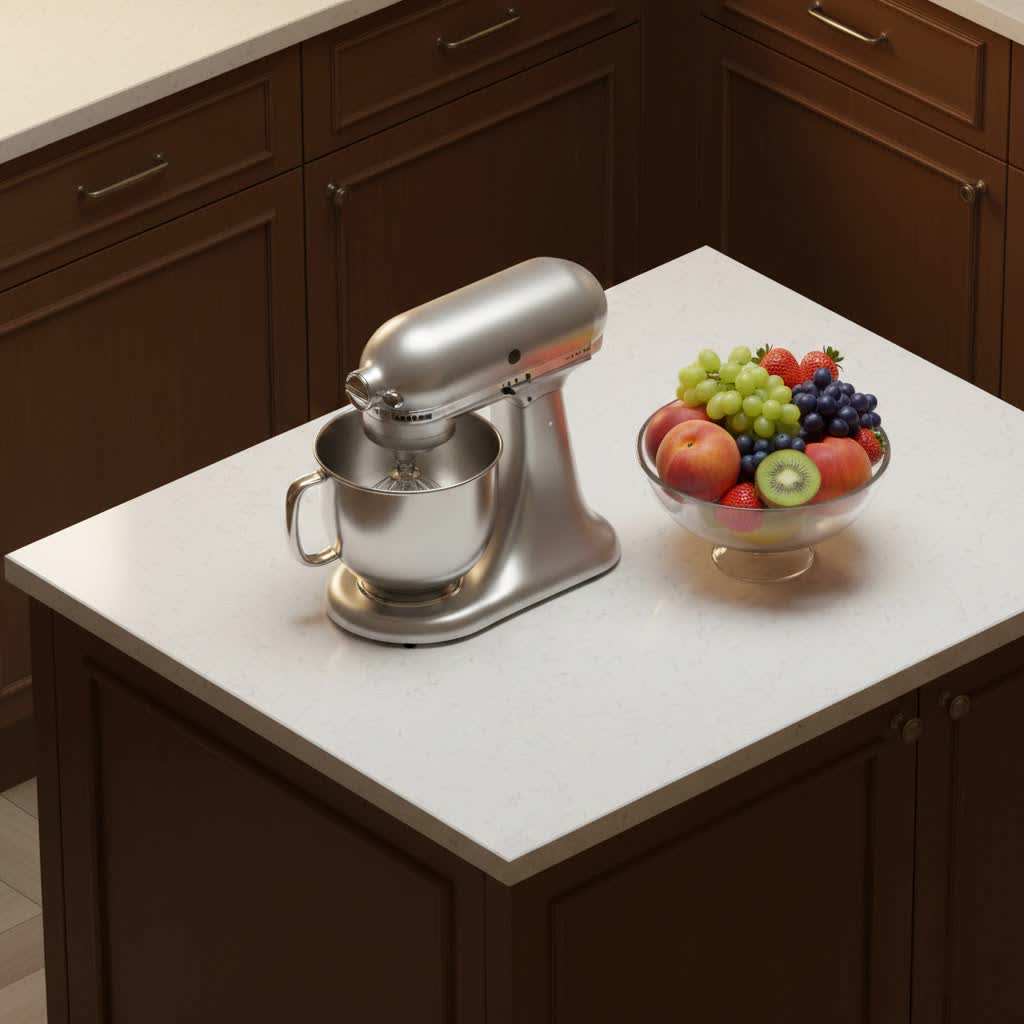
Understanding the KitchenAid Bowl-Lift Stand Mixer
At its core, a KitchenAid bowl-lift stand mixer is a countertop appliance designed for heavy-duty, hands-free mixing. Unlike its tilt-head counterparts, the bowl-lift model features a stationary motor head. Instead, its mixing bowl attaches to sturdy arms that are then raised into mixing position with a simple lever mechanism. This design provides unparalleled stability and support, making it ideal for incorporating dense ingredients and handling larger volumes of batter or dough.
The lineage of KitchenAid stand mixers dates back to 1919, with constant innovation leading to the powerful and versatile models we see today. The bowl-lift design evolved to meet the demands of serious bakers, offering increased motor power and capacity necessary for tasks that would strain smaller machines. While tilt-head models are excellent for everyday tasks and offer a wider array of colors, bowl-lift mixers are specifically engineered for sustained performance under strenuous conditions, truly embodying the “professional” aspect in a home kitchen.
Why Choose a KitchenAid Bowl-Lift Stand Mixer?
Opting for a KitchenAid bowl-lift stand mixer brings a suite of benefits that elevate your baking experience, transforming challenging tasks into enjoyable ones.
Time and Effort Savings
|
Our Picks for the Best Stand Mixer in 2026
As an Amazon Associate I earn from qualifying purchases.
|
||
| Num | Product | Action |
|---|---|---|
| 1 | Kitchen in the box Stand Mixer,3.2Qt Small Electric Food Mixer,6 Speeds Portable Lightweight Kitchen Mixer for Daily Use with Egg Whisk,Dough Hook,Flat Beater (Black) |

|
| 2 | VIVOHOME Stand Mixer, 660W 10 Speed 6 Quart Tilt-Head Kitchen Electric Food Mixer with Beater, Dough Hook, Wire Whip and Egg Separator, Pink |
|
| 3 | VIVOHOME Stand Mixer, 660W 10 Speed 6 Quart Tilt-Head Kitchen Electric Food Mixer with Beater, Dough Hook, Wire Whip and Egg Separator, Gray |
|
| 4 | VIVOHOME Stand Mixer, 660W 10 Speed 6 Quart Tilt-Head Kitchen Electric Food Mixer with Beater, Dough Hook, Wire Whip and Egg Separator, Black |
|
| 5 | VIVOHOME Stand Mixer, 660W 10 Speed 6 Quart Tilt-Head Kitchen Electric Food Mixer with Beater, Dough Hook, Wire Whip and Egg Separator, Red |
|
| 6 | Stand Mixer, Zuccie 4.8QT Kitchen Electric Stand Mixer, 380W Motor Power Food Mixer, 8+P-Speed Dough Mixer with Dough Hook, Wire Whip & Beater, Silver |
|
| 7 | Kitchen in the box Stand Mixer,3.2Qt Small Electric Food Mixer,6 Speeds Portable Lightweight Kitchen Mixer for Daily Use with Egg Whisk,Dough Hook,Flat Beater (Blue) |
|
| 8 | VIVOHOME 3-in-1 Stand Mixer, 6 Quart Electric Tilt-Head Kitchen Mixer with Bowl, Multifunctional Food Mixer with Meat Grinder and Blender Attachments, Dough Hook, Beater, and Whisk, Red |
|
| 9 | VIVOHOME Stand Mixer, 660W 10 Speed 6 Quart Tilt-Head Kitchen Electric Food Mixer with Beater, Dough Hook, Wire Whip and Egg Separator, Silver |
|
| 10 | VIVOHOME Stand Mixer, 660W 10 Speed 6 Quart Tilt-Head Kitchen Electric Food Mixer with Beater, Dough Hook, Wire Whip and Egg Separator, Blue |
|
For those who frequently bake large quantities or work with heavy doughs like sourdough or pizza crust, a bowl-lift mixer dramatically cuts down on manual effort. Its powerful motor handles the kneading, mixing, and whipping, freeing you to focus on other aspects of your recipe or kitchen tasks. Imagine preparing triple batches of cookies or a large loaf of artisanal bread without breaking a sweat.
Versatility in Culinary Creation
Beyond its primary mixing functions, the KitchenAid bowl-lift stand mixer is a versatile culinary hub. Thanks to its universal power hub, it can accommodate a vast array of attachments, transforming it into a pasta maker, meat grinder, spiralizer, ice cream maker, and more. This expandability allows you to explore new recipes and cooking methods, turning your mixer into an indispensable multi-tasking appliance.
Consistent and Superior Results
The robust construction and powerful motor of a bowl-lift mixer ensure that ingredients are consistently and thoroughly incorporated. Whether you need a perfectly aerated meringue, a uniformly mixed cake batter, or a well-kneaded elastic dough, the stable mixing action helps achieve professional-quality results every time. This consistency is crucial for baking success, reducing lumps and ensuring even texture.
Durability and Professional-Grade Performance
KitchenAid bowl-lift models are renowned for their durability. Built with robust metal components, they are designed to withstand years of rigorous use. This makes them a wise investment for avid bakers, offering the kind of reliability and performance typically found in commercial kitchens, right on your countertop.
Ease of Use and Cleaning
Despite their heavy-duty nature, bowl-lift mixers are designed for user-friendliness. The lever mechanism makes raising and lowering the bowl straightforward, and changing attachments is simple. Many of the standard attachments, such as flat beaters and dough hooks, are dishwasher-safe, simplifying cleanup after a busy baking session. The main unit typically only requires a quick wipe down.
Key Factors When Selecting Your Bowl-Lift Stand Mixer
Choosing the right KitchenAid bowl-lift stand mixer involves considering several critical specifications to ensure it aligns perfectly with your baking habits and kitchen setup.
Power and Capacity
This is perhaps the most crucial consideration. Bowl-lift mixers generally offer larger capacities and more powerful motors than tilt-head models, but there’s still a range within the bowl-lift series.
- Capacity: Bowls typically range from 5 to 8 quarts (approximately 4.7 to 7.6 liters).
- 5-6 Quarts: Excellent for most home bakers, handling up to 11-13 dozen cookies or multiple loaves of bread.
- 7-8 Quarts: Ideal for frequent large-batch baking, professional home chefs, or small commercial operations, capable of mixing upwards of 14 dozen cookies or very large bread recipes.
- Power (Watts/Horsepower): Higher wattage or horsepower translates to greater ability to handle dense mixtures without straining.
- Look for models with 500 watts or higher, or those with powerful DC motors (e.g., 1.3 HP) for the toughest tasks like very stiff doughs. This power ensures longevity and smooth operation.
- Consider your needs: A casual baker making occasional bread might be fine with a 5-quart, 325-watt model, while a serious bread maker will benefit immensely from a 7-quart, 500-watt or higher unit.
Construction and Materials
The build quality of a KitchenAid bowl-lift mixer is a testament to its longevity.
- Body: Most bowl-lift models feature all-metal construction, providing the necessary heft and stability to prevent “walking” on your countertop during heavy mixing.
- Bowl: Stainless steel bowls are standard for bowl-lift models, prized for their durability, non-reactivity with ingredients, and ease of cleaning. They are typically designed without a “foot” on the bottom, making them easier to scrape and suitable for use over a double boiler.
- Attachments: Common attachments include a wire whip for aeration, a flat beater for general mixing, and a dough hook for kneading. Ensure these are durable; some are coated for easy cleaning, while others are burnished or stainless steel. Flex edge beaters, often included with premium models, feature a silicone edge that scrapes the bowl sides as it mixes, reducing the need for manual scraping.
Speeds and Features
Modern bowl-lift mixers offer nuanced control for precise mixing.
- Speed Settings: Most KitchenAid stand mixers feature 10 distinct speeds, ranging from a gentle stir to a rapid whip. Some advanced models now include an 11th “½ speed” specifically designed for delicate ingredients like folding berries into batter, mimicking a gentle hand-fold.
- Power Hub: A signature KitchenAid feature, the front-mounted power hub allows you to connect a wide array of optional attachments, transforming your mixer into a multi-functional kitchen appliance.
- Other Features: Look for robust lever mechanisms for bowl lifting, secure attachment locking, and durable internal gears. Some models might include pouring shields to prevent splatters.
Brand Reputation and Value
KitchenAid has cultivated an unrivaled reputation for quality and reliability in stand mixers over decades.
- Legacy: Investing in a KitchenAid is often seen as a long-term commitment due to its proven track record and widespread availability of replacement parts and service.
- Price vs. Features: Bowl-lift models represent a higher investment than tilt-head models, reflecting their increased capacity, power, and durability. Evaluate the price against the specific features, capacity, and motor power you need. Consider the warranty; higher-end models like the ProLine might offer extended warranties compared to standard residential models.
Comparing Popular KitchenAid Bowl-Lift Models
KitchenAid offers several excellent bowl-lift models, each suited to different needs and budgets. Here’s a comparison of some popular choices:
| Model | Capacity | Power (W/HP) | Key Features | Ideal User |
|---|---|---|---|---|
| 5.5 Quart Bowl-Lift | 5.5 Quarts | Varies (e.g., 500W) | 11 Speeds (incl. ½ speed), sturdy design, common attachments | Frequent home bakers, medium-large batches |
| 7-Quart Bowl-Lift | 7 Quarts | Varies (e.g., 500W) | 11 Speeds (incl. ½ speed), redesigned premium touchpoints, often with Flex Edge Beater | Serious home bakers, very large batches, heavy dough |
| ProLine Series | 7 Quarts | 1.3 HP DC Motor | Extremely powerful & quiet DC motor, durable construction, 5-year warranty | Small bakery owners, high-volume home bakers |
| Commercial Series | 8 Quarts | 1.3 HP DC Motor | NSF & UL certified, stainless steel attachments, bowl guard | Commercial kitchens, professional chefs |
-
KitchenAid 5.5 Quart Bowl-Lift: This model strikes a great balance, offering substantial capacity and power for most home bakers who frequently prepare larger batches or denser doughs but don’t need the absolute largest capacity. It’s often a stepping stone from tilt-head mixers to more heavy-duty performance.
-
KitchenAid 7-Quart Bowl-Lift: Often recommended as a top pick for its blend of power, capacity, and versatility. It’s a successor to the highly popular Professional 600 series and excels at handling large quantities of bread dough, multiple cake batters, or dozens of cookies with ease. The inclusion of the Flex Edge Beater in many packages is a significant bonus for efficient mixing.
-
KitchenAid ProLine Series: For those who prioritize raw power and quiet operation, the ProLine (often 7-quart) with its 1.3 HP DC motor is a standout. This motor provides exceptional torque, making it incredibly efficient for kneading tough doughs and mixing dense ingredients without bogging down. It’s a significant investment, but its durability and performance justify the cost for dedicated users.
-
KitchenAid Commercial Series: The ultimate choice for professional settings or home bakers who demand uncompromising industrial-grade performance. With an 8-quart capacity, a 1.3 HP DC motor, and NSF/UL certifications, this mixer is built to run continuously and tackle the heaviest loads. It’s robust, powerful, and designed for constant, heavy use.
Tips for Optimal Use and Care of Your Bowl-Lift Mixer
Maximizing the lifespan and performance of your KitchenAid bowl-lift stand mixer involves proper usage and diligent care.
Safe and Effective Operation
- Secure the Bowl: Always ensure the mixing bowl is correctly seated and lifted into position using the lever before starting the mixer. This prevents wobbling and ensures efficient mixing.
- Choose the Right Attachment: Use the spiral dough hook for yeast doughs, the flat beater for batters and cookie doughs, and the wire whip for aerating egg whites and cream.
- Start Slow, Increase Gradually: Begin mixing on a low speed to incorporate ingredients and prevent splattering, then gradually increase to the desired speed.
- Avoid Overloading: While bowl-lift mixers are powerful, always adhere to the manufacturer’s recommended maximum capacities for ingredients, especially for dense doughs, to prevent motor strain.
- Listen to Your Mixer: If the motor sounds strained or the machine is struggling, reduce the load or adjust the speed.
Maintenance and Cleaning
- Unplug Before Cleaning: Always unplug your mixer from the power outlet before cleaning or changing attachments to prevent accidental activation.
- Bowl and Attachments: Most stainless steel bowls and standard flat beaters/dough hooks are dishwasher-safe. However, the wire whip often requires hand washing to preserve its shape and finish. Always refer to your model’s manual for specific cleaning instructions.
- Main Unit: Wipe down the mixer head and base with a damp cloth. Avoid abrasive cleaners or submerging the unit in water.
- Power Hub: Keep the power hub clean and free of debris, as this is where attachments connect.
- Storage: Due to their height, ensure you have adequate counter space or a dedicated storage spot. Avoid storing it in extremely humid environments.
- Troubleshooting: Consult your user manual for common issues and their solutions. KitchenAid customer support is also an excellent resource for more complex problems.
Where to Purchase Your KitchenAid Bowl-Lift Stand Mixer
When you’re ready to invest in a KitchenAid bowl-lift stand mixer, several reputable channels are available for purchase.
- Authorized Retailers: The official KitchenAid website (KitchenAid.com) is always a reliable source, offering the full range of models, colors, and often exclusive deals. Major appliance stores and kitchen specialty shops are also authorized retailers, allowing you to see the models in person and receive expert advice.
- Online Marketplaces: Large online retailers like Amazon, Williams Sonoma, and Sur La Table carry a wide selection of KitchenAid mixers. These platforms often offer competitive pricing, customer reviews, and convenient home delivery. Be sure to check seller authenticity and warranty information.
- Promotions and Sales: Keep an eye out for seasonal sales events (like Black Friday, Cyber Monday, or holiday promotions) when these premium appliances might be available at a discount. Always verify the warranty and return policy, especially when buying online.
The Ultimate Buying Guide: Making Your Decision
Choosing your KitchenAid bowl-lift stand mixer is a significant decision that will impact your baking for years to come. Here’s a concise guide to help you finalize your choice:
- Assess Your Baking Volume: How often do you bake, and how much do you typically make?
- Casual home baker, occasional large batches: A 5.5-quart model is likely sufficient.
- Frequent baker, large families, loves bread/double recipes: A 7-quart model offers more headroom and power.
- Aspiring professional, small business, heavy-duty doughs daily: Consider the ProLine or Commercial 8-quart for ultimate power and durability.
- Consider Your Budget: Bowl-lift mixers are an investment. Set a realistic budget and understand that higher prices generally correlate with increased capacity, motor power, and premium features.
- Evaluate Counter Space: Bowl-lift models are taller (around 16-17 inches) and heavier than tilt-head mixers. Measure the space between your counter and overhead cabinets to ensure a comfortable fit if you plan to store it on display.
- Prioritize Features: Do you need the gentle ½ speed for delicate folding? Is a Flex Edge Beater a must-have? Will you heavily rely on power hub attachments?
> “The difference a bowl-lift mixer makes, particularly for bread bakers, is immense. The stability and raw power handle high-hydration doughs with an ease that smaller machines simply can’t match.” – Chef Elena Rodriguez, Culinary Instructor & Bakery Owner
By asking yourself these questions and reviewing the factors above, you can confidently select the KitchenAid bowl-lift stand mixer that best supports your culinary aspirations.
Conclusion
The KitchenAid bowl-lift stand mixer is more than just an appliance; it’s an indispensable partner for anyone serious about baking and cooking. With its robust power, generous capacity, and unwavering stability, it empowers you to tackle everything from delicate meringues to dense bread doughs with professional results. By carefully considering your specific needs, evaluating the various models, and committing to proper care, you’ll find a KitchenAid bowl-lift mixer that will be a cherished centerpiece of your kitchen for years to come. Embark on your next culinary adventure with the confidence that comes from having the right tools at your fingertips.
What extraordinary creations will you unleash with your new KitchenAid bowl-lift stand mixer?
Frequently Asked Questions
How does a bowl-lift differ from a tilt-head in terms of performance?
Bowl-lift mixers generally offer larger capacities and more powerful motors, making them superior for heavy-duty tasks like kneading stiff bread dough or mixing large batches. Their stationary head design provides greater stability during operation compared to tilt-head models, which can sometimes “walk” or strain with very dense mixtures.
What is the best KitchenAid bowl-lift for home bakers?
For most home bakers who frequently handle large batches or heavier doughs, the KitchenAid 7-Quart Bowl-Lift Stand Mixer is often considered an excellent choice. It offers a great balance of power, capacity, and features without venturing into commercial-grade pricing.
Can I use all KitchenAid attachments with a bowl-lift mixer?
Yes, nearly all KitchenAid power hub attachments are universally compatible with both tilt-head and bowl-lift stand mixers. This means you can expand your mixer’s capabilities with a wide range of accessories for grinding, pasta making, spiralizing, and more.
How much counter space does a bowl-lift mixer need?
KitchenAid bowl-lift mixers are typically taller, averaging around 16-17 inches in height. They also have a broader base for stability. It’s crucial to measure the space between your countertop and overhead cabinets to ensure the mixer fits comfortably if you plan to store it on your counter.
Are KitchenAid bowl-lift mixers noisy?
While all stand mixers produce some noise, bowl-lift models, especially those with powerful DC motors (like the ProLine series), are often noted for their relatively quieter operation compared to some AC motor tilt-head models, particularly under heavy loads. The robust construction also contributes to less vibration noise.
