For serious bakers, passionate home chefs, and culinary professionals alike, the stand mixer is more than just an appliance; it’s the heart of the kitchen, enabling creations from artisanal breads to delicate meringues. While many brands vie for attention, one name consistently rises above in the realm of power, durability, and unwavering performance: Hobart. A Hobart stand mixer isn’t just a purchase; it’s an investment in a legacy of exceptional engineering, designed to tackle the most demanding tasks with effortless grace. If you’re ready to explore a world where consistency and robustness redefine your mixing experience, you’ve come to the right place.
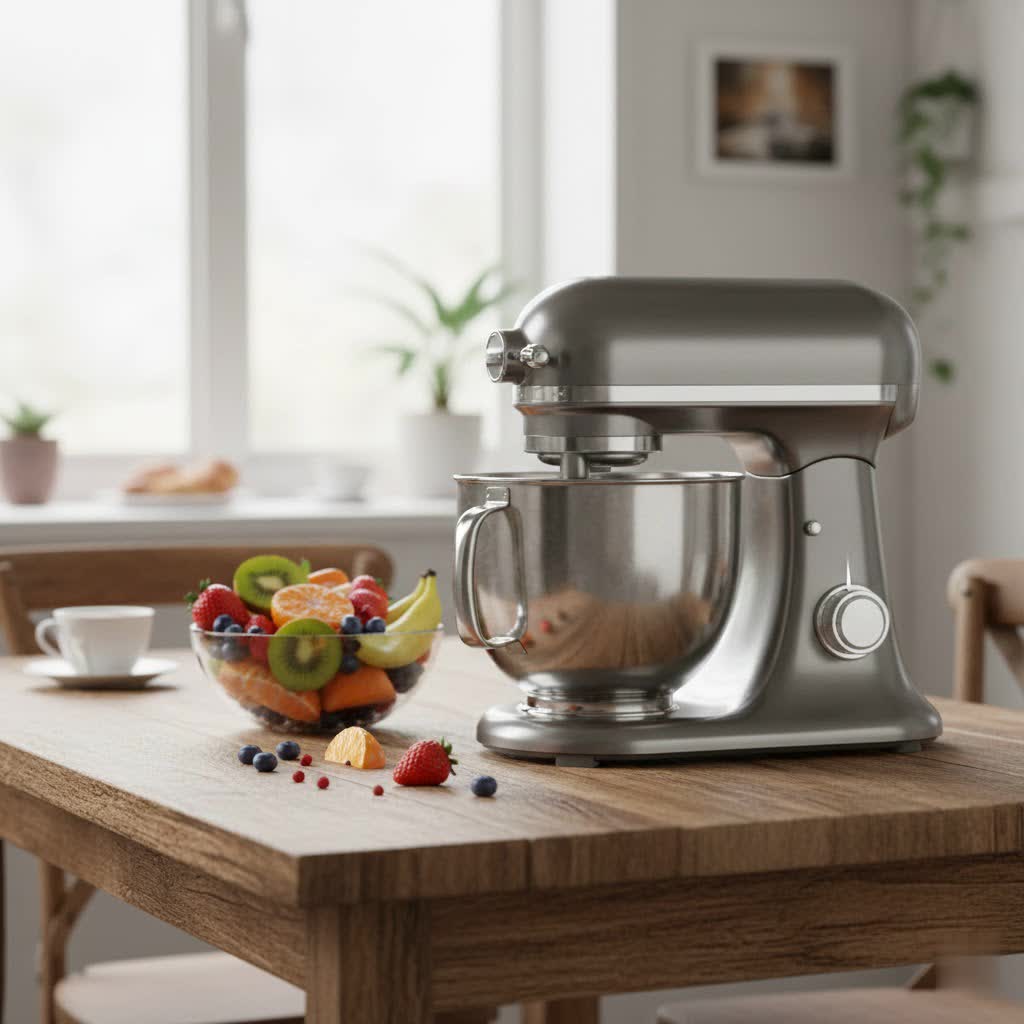
Understanding Hobart Stand Mixers
What distinguishes a Hobart stand mixer in a crowded market? It’s their heritage as commercial-grade equipment, built for relentless daily use in professional kitchens. Unlike many residential models, Hobart mixers are engineered for longevity and heavy-duty performance, featuring robust construction and powerful, gear-driven motors.
A Legacy of Power: The History of Hobart Mixers
The story of Hobart began in 1897, and by 1914, they had revolutionized the food service industry with their first electric-powered mixer. These machines quickly became the standard in commercial settings, serving diners, bakeries, and even naval cruisers during WWII. Over a century later, Hobart continues to be synonymous with powerful, dependable, and masterfully engineered food preparation equipment, embodying American craftsmanship.
Types of Hobart Stand Mixers: From Countertop to Commercial Giants
Hobart offers a range of mixers primarily catering to commercial needs, but some models, like the N50, are also highly sought after by home users who demand professional-grade performance.
- Planetary Mixers: This is the most common type of stand mixer, where the agitator rotates on its axis while simultaneously orbiting the inside of the stationary bowl, ensuring thorough mixing. The Hobart N50 and the Legacy+ series are examples of planetary mixers.
- Spiral Mixers: Designed specifically for dough, spiral mixers use a rotating hook combined with a rotating bowl to gently knead large quantities of dough, ideal for artisan breads and pizza.
- Countertop Models: The Hobart N50 (5-quart) and smaller Legacy+ models (e.g., 12-quart, 20-quart) are designed to fit on a countertop, making them suitable for smaller operations or serious home use.
- Floor Models: Larger Legacy+ models (30-quart, 40-quart, 60-quart, 80-quart, and 140-quart) are floor-standing units built for high-volume commercial production.
Why Choose a Hobart Stand Mixer? Unparalleled Benefits
Opting for a Hobart stand mixer means prioritizing performance and reliability. These machines are not just about mixing; they’re about empowering you to achieve consistent, high-quality results every time.
Exceptional Durability and Longevity
Hobart mixers are legendary for their strength and longevity. Built with heavy-duty, all-metal construction, every component, from the motor to the attachments, is designed to withstand the rigors of continuous commercial use. This translates into a mixer that can last for decades, often becoming a cherished family heirloom.
Unrivaled Power and Performance
At the core of every Hobart mixer is a powerful, gear-driven transmission that ensures consistent performance even under the heaviest loads. Unlike many residential mixers that might strain or slow down with stiff doughs, a Hobart mixer delivers full power at any speed, providing unwavering torque and preventing motor burnout. This robust power system means no downtime waiting for your mixer to “cool off.”
Consistency in Mixing Quality
The precise engineering of Hobart mixers, particularly the planetary action, ensures that ingredients are thoroughly incorporated and evenly mixed. Whether you’re whipping a delicate meringue, creaming butter and sugar, or kneading a dense bagel dough, you can expect uniform texture and consistency, which is crucial for professional-grade baking and cooking.
Quiet Operation
Despite their immense power, many Hobart users report surprisingly quiet operation, especially compared to some residential mixers that can be quite noisy on higher settings. The smooth, gear-driven mechanism contributes to a more pleasant kitchen environment, even during prolonged use.
Versatility with Attachments
Hobart mixers are designed for versatility. Beyond the standard flat beater, wire whip, and dough hook, many models feature a universal #10 attachment hub. This hub allows you to connect a wide array of Hobart accessories, transforming your mixer into a multi-functional food preparation center capable of grinding meat, slicing vegetables, and more.
Key Considerations When Buying a Hobart Stand Mixer
Choosing the right Hobart mixer involves understanding your specific needs and how these powerful machines are built to meet them.
Capacity and Power: Matching the Mixer to Your Needs
- N50: The 5-Quart Workhorse for Serious Home Bakers and Small Businesses: The Hobart N50 is their smallest commercial mixer and a popular choice for home users who need uncompromising power and durability. Its 5-quart capacity is generous enough for most home baking projects and small-batch commercial preparations.
- Larger Commercial Models (Legacy+ series: 12qt, 20qt, 30qt+): When to Scale Up: For truly high-volume operations, Hobart’s Legacy+ series offers larger capacities, from 12 to 140 quarts. These floor models are ideal for bakeries, restaurants, and catering businesses that require substantial mixing capabilities for large batches.
Construction and Material Quality
Hobart mixers are built like tanks. They feature heavy-duty, all-metal construction, ensuring stability and durability. The mixing bowls are typically made of polished stainless steel, known for its hygiene, ease of cleaning, and resistance to corrosion. Attachments are also robust, designed for long-term, heavy-duty usage.
Speed Settings and Controls
The Hobart N50 typically features a 3-speed gearbox (low, intermediate, high). A key operational difference from many residential mixers is that you usually need to stop the mixer to change speeds. While this might require a slight adjustment for new users, it’s a testament to the gear-driven system’s design for optimal torque at each setting. Controls are usually large, easy to reach, and designed for simplicity and reliability. Most models feature a manual bowl lift mechanism, allowing for precise control when attaching and detaching the bowl.
Attachments and Accessories
Standard Hobart mixers typically come with essential attachments: a flat beater for general mixing, a wire whip for aeration, and a dough hook for kneading. The presence of a #10 attachment hub on models like the N50 significantly extends its functionality, allowing for various additional attachments like meat grinders, vegetable slicers, and shredders.
New vs. Refurbished/Vintage: An Important Distinction
Many enthusiasts and professionals debate the merits of new versus older Hobart mixers. Pre-2003 vintage models are often highly praised for their simpler, tougher mechanical designs with fewer electronics, making them easier and cheaper to repair. Newer “Legacy” series mixers incorporate more electronics and digital controls, which can be convenient but potentially more costly to fix if components fail. A professionally restored vintage Hobart mixer can often outperform and outlast many newer models.
Hobart N50 vs. Residential Stand Mixers (e.g., KitchenAid) – A Detailed Comparison
When considering a Hobart N50, it’s often compared to popular residential models like KitchenAid, especially for home bakers seeking an upgrade. The differences are significant, primarily due to their intended commercial purpose.
| Feature | Hobart N50 (Commercial) | Residential Stand Mixers (e.g., KitchenAid) |
|---|---|---|
| Power Delivery | Gear-driven, 1/6 HP motor delivers full torque at all 3 fixed speeds. | Direct-drive, watts vary with speed; often weaker at low speeds under heavy load. |
| Build Quality | Heavy-duty, all-metal construction; robust, industrial feel. | Lighter construction, often with plastic internal components. |
| Stability | Very heavy (approx. 50 lbs), remains stationary even with dense dough. | Lighter, may “walk” or move on the counter with heavy loads. |
| Speed Control | 3 fixed speeds; requires stopping the mixer to change speeds. | Multiple (e.g., 10+) variable speeds; can change speeds on the fly. |
| Noise Levels | Generally quiet, often described as a “purr” or “hum.” | Can be noisy, especially on higher speeds or with heavy doughs. |
| Durability | Built for continuous commercial use; designed to last decades. | Designed for occasional home use; internal gears can strip under heavy, frequent use. |
| Bowl Security | Bowl-retaining clips or latches for extra security (N50). | Bowl twists into place, can sometimes jump out with very stiff dough. |
| Price | Significantly higher initial investment. | More affordable, wider range of price points. |
| Whisk Design | More precise, often symmetrical, designed not to scrape the bowl. | Can sometimes scrape the bowl edge. |
Overall, the Hobart N50 offers superior power delivery, exceptional durability, and stability, making it ideal for heavy-duty tasks that might strain residential machines. While the fixed speeds require a slight operational adjustment, the quality and consistency it provides are unmatched.
How to Effectively Use and Maintain Your Hobart Stand Mixer
To maximize the lifespan and performance of your Hobart mixer, proper use and diligent maintenance are key.
Safe Operation Guidelines
Always read your mixer’s manual thoroughly before use. Ensure the mixer is on a stable, level surface. Never operate the mixer with the bowl guard (if applicable) open or with loose clothing or hair that could get caught. Always turn off and unplug the mixer before attaching or detaching bowls or accessories, and before cleaning.
Optimizing Performance with Different Attachments
- Flat Beater (B-Beater): Ideal for general mixing, creaming, and mashing. Use for batters, cookie dough, icings, mashed potatoes.
- Wire Whip (D-Whip): Designed for aerating. Use for whipping cream, egg whites, meringues, and light batters.
- Dough Hook (E-Hook): Specifically for kneading heavy doughs like bread, pizza, and pasta. Use on low speed to prevent overworking the motor and splashing ingredients.
Cleaning and Care for Longevity
The stainless steel bowl and attachments are typically dishwasher-safe or can be washed by hand with warm, soapy water. The mixer body should be wiped down with a damp cloth; never immerse the motor housing in water. Regular lubrication (if recommended by the manufacturer) and checking for wear on parts can significantly extend the mixer’s life. Address any unusual noises or performance issues promptly, as Hobart parts are generally available.
Common Issues and Troubleshooting
Hobart mixers are incredibly reliable, but like any mechanical device, occasional issues can arise. Common “issues” often relate to user error (e.g., not stopping to change speeds on the N50). For mechanical problems, consulting the manual or a certified Hobart service technician is recommended. Given their robust build, serious breakdowns are rare, but worn gears or electrical issues can occur over decades of use.
Where to Buy Hobart Stand Mixers
Investing in a Hobart mixer requires knowing where to find authentic products and reliable service.
Authorized Dealers and Commercial Restaurant Supply Stores
The most reliable source for new Hobart mixers is through authorized dealers or commercial restaurant supply stores. These outlets can provide expert advice, warranty information, and often offer installation and service options.
Online Retailers (New and Used)
Several online commercial kitchen equipment retailers carry new Hobart mixers and parts. For those considering used or refurbished models, platforms like eBay, Facebook Marketplace, and specialized used restaurant equipment sites can be good sources. When buying used, always inquire about the mixer’s history, condition, and if it comes with all standard attachments.
Considerations for Buying Used/Refurbished
Buying a used Hobart mixer can be a cost-effective way to acquire a high-quality machine. As mentioned, pre-2003 models are often praised for their simple mechanics. When inspecting a used mixer, look for signs of excessive wear, listen for unusual noises during operation, and check if all essential attachments are included. Consider getting it serviced by a professional if you’re uncertain about its condition.
Hobart Stand Mixer Buying Guide: Making the Right Investment
Making an informed decision about a Hobart stand mixer comes down to a clear understanding of your needs and budget.
Assess Your Needs
- Volume and Frequency: How much are you mixing, and how often? For heavy, daily home use or small business batches, the N50 is excellent. For larger commercial volumes, consider the Legacy+ series.
- Types of Tasks: Are you primarily kneading heavy doughs, whipping light batters, or both? All Hobart planetary mixers handle these tasks well, but consider the specific attachments included.
Set Your Budget
Hobart mixers represent a significant investment. New N50 models can be several thousand dollars, with larger commercial units costing substantially more. Factor in the cost of any additional attachments you might need. If your budget is tighter, a well-maintained refurbished or vintage model can be an excellent alternative, offering similar performance at a lower price point.
Prioritize Durability vs. Features
With Hobart, durability is almost a given. The primary trade-off with models like the N50 might be the fewer, fixed speeds compared to residential mixers with more “on-the-fly” speed options. Decide if unwavering power and long-term reliability outweigh the convenience of more speed settings.
Check Warranty and Service Options
New Hobart mixers typically come with a one-year warranty on parts, labor, and mileage. For used mixers, inquire if any remaining warranty is transferable or if service contracts are available from third-party providers. Knowing your service options ensures peace of mind.
Questions to Ask Before You Buy
- What is the exact model and year of manufacture?
- Does it come with all standard attachments (beater, whip, dough hook)?
- What is the motor’s horsepower and power supply (voltage)?
- What is the warranty coverage? (for new mixers)
- When was it last serviced? (for used mixers)
- Are there any known issues or cosmetic imperfections?
Conclusion
The Hobart stand mixer, particularly the renowned N50, stands as a testament to engineering excellence, offering unmatched durability, power, and consistent performance for both dedicated home bakers and culinary professionals. While the initial investment might be higher than residential alternatives, the unparalleled longevity and robust capabilities make it a wise, long-term choice for anyone serious about their craft. Its ability to effortlessly handle the toughest doughs and achieve perfectly uniform mixtures solidifies its status as a kitchen icon. Are you ready to elevate your culinary creations with the legendary power of a Hobart?
Frequently Asked Questions
Is a Hobart N50 suitable for home use?
|
Our Picks for the Best Stand Mixer in 2026
As an Amazon Associate I earn from qualifying purchases.
|
||
| Num | Product | Action |
|---|---|---|
| 1 | VIVOHOME Stand Mixer, 660W 10 Speed 6 Quart Tilt-Head Kitchen Electric Food Mixer with Beater, Dough Hook, Wire Whip and Egg Separator, Silver |

|
| 2 | VIVOHOME Stand Mixer, 660W 10 Speed 6 Quart Tilt-Head Kitchen Electric Food Mixer with Beater, Dough Hook, Wire Whip and Egg Separator, Blue |
|
| 3 | VIVOHOME Stand Mixer, 660W 10 Speed 6 Quart Tilt-Head Kitchen Electric Food Mixer with Beater, Dough Hook, Wire Whip and Egg Separator, Black |
|
| 4 | Kitchen in the box Stand Mixer,3.2Qt Small Electric Food Mixer,6 Speeds Portable Lightweight Kitchen Mixer for Daily Use with Egg Whisk,Dough Hook,Flat Beater (Black) |
|
| 5 | VIVOHOME Stand Mixer, 660W 10 Speed 6 Quart Tilt-Head Kitchen Electric Food Mixer with Beater, Dough Hook, Wire Whip and Egg Separator, Pink |
|
| 6 | Kitchen in the box Stand Mixer,3.2Qt Small Electric Food Mixer,6 Speeds Portable Lightweight Kitchen Mixer for Daily Use with Egg Whisk,Dough Hook,Flat Beater (Blue) |
|
| 7 | VIVOHOME Stand Mixer, 660W 10 Speed 6 Quart Tilt-Head Kitchen Electric Food Mixer with Beater, Dough Hook, Wire Whip and Egg Separator, Red |
|
| 8 | Stand Mixer, Zuccie 4.8QT Kitchen Electric Stand Mixer, 380W Motor Power Food Mixer, 8+P-Speed Dough Mixer with Dough Hook, Wire Whip & Beater, Silver |
|
| 9 | VIVOHOME Stand Mixer, 660W 10 Speed 6 Quart Tilt-Head Kitchen Electric Food Mixer with Beater, Dough Hook, Wire Whip and Egg Separator, Gray |
|
| 10 | VIVOHOME 3-in-1 Stand Mixer, 6 Quart Electric Tilt-Head Kitchen Mixer with Bowl, Multifunctional Food Mixer with Meat Grinder and Blender Attachments, Dough Hook, Beater, and Whisk, Red |
|
Absolutely. While designed for commercial environments, the Hobart N50’s 5-quart capacity and legendary durability make it an exceptional choice for serious home bakers who frequently tackle heavy doughs or large batches and prioritize reliability and power over numerous speed settings.
What’s the difference between planetary and spiral mixers?
Planetary mixers (like the N50) use an agitator that rotates on its axis while orbiting the bowl, ideal for a wide range of tasks including whipping, creaming, and kneading. Spiral mixers are specialized for dough, using a rotating hook and bowl to gently develop gluten, perfect for artisan bread.
How often should I maintain my Hobart mixer?
For commercial use, regular cleaning after each use and periodic professional inspections (e.g., annually) are recommended. For home use, thorough cleaning after each use and lubricating gears as specified in the manual will help ensure decades of trouble-free operation.
Are Hobart mixers worth the price?
For those who demand uncompromising power, exceptional durability, and consistent results for heavy-duty or frequent mixing tasks, a Hobart mixer is widely considered a worthwhile investment that can last a lifetime, often outperforming and outlasting multiple residential mixers.
Can I use KitchenAid attachments on a Hobart mixer?
No, Hobart mixers typically use a standard #10 attachment hub, which is different from KitchenAid’s proprietary attachment hub. Therefore, KitchenAid-specific attachments are generally not compatible with Hobart mixers, and vice-versa.
