Are you tired of the arm strain from kneading dough by hand, or the inconsistency of a manual whisk? A stand mixer is more than just another kitchen gadget; it’s a transformative tool that brings efficiency, precision, and joy to your baking and cooking endeavors. Whether you’re a seasoned baker whipping up complex sourdough loaves or a casual cook preparing weekly meals, selecting the right stand mixer can drastically enhance your culinary experience. This comprehensive guide, informed by years of hands-on experience and deep technical understanding, will walk you through everything you need to know to find the perfect stand mixer that aligns with your specific needs and culinary aspirations.
Understanding the Stand Mixer: Your Kitchen’s Powerhouse
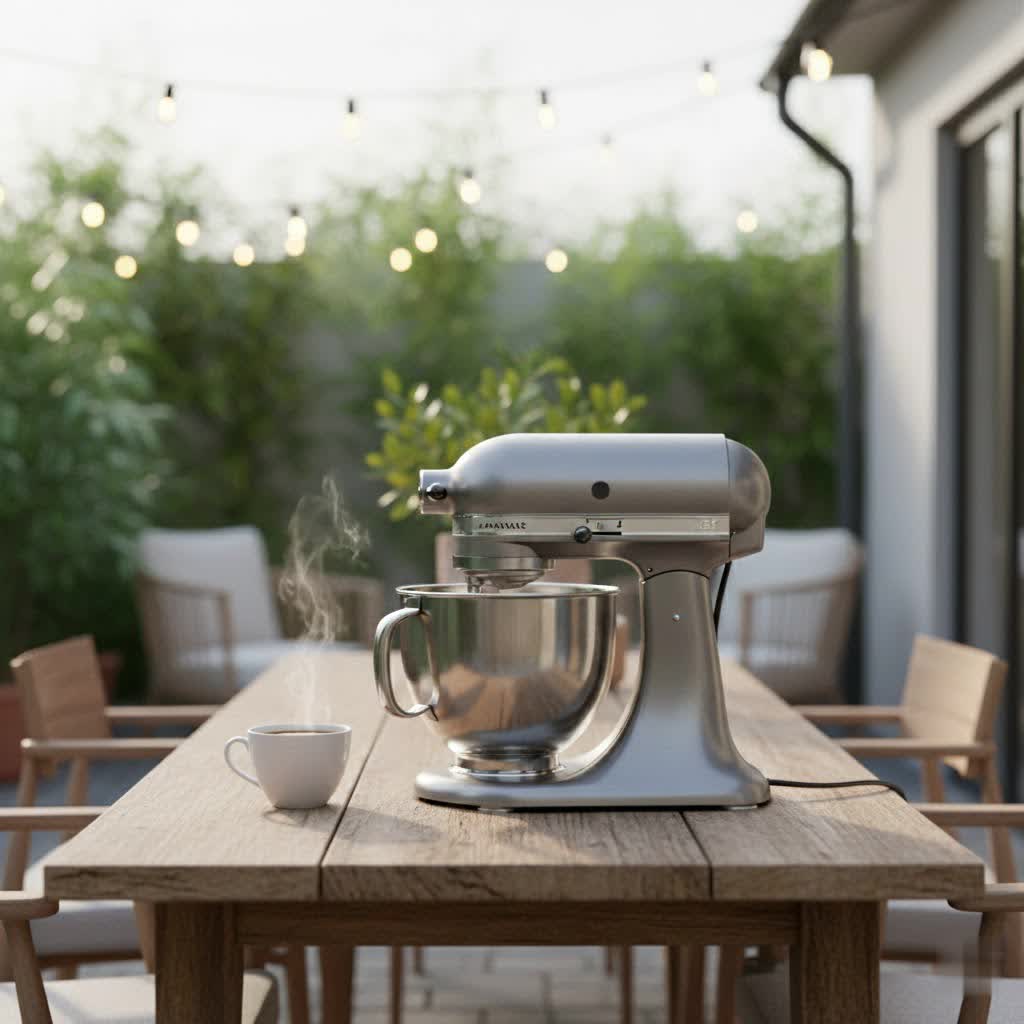
A stand mixer is a heavy-duty electric mixer built into a stationary stand with a bowl, designed to perform a variety of mixing tasks hands-free. Its primary purpose is to mix, whip, and knead large quantities of ingredients more efficiently and consistently than manual methods or handheld mixers. The basic setup typically includes a motor base, a mixing bowl, and a set of fundamental attachments: a flat beater for general mixing, a wire whip for aerating ingredients like egg whites and cream, and a dough hook for kneading heavier doughs.
The history of the stand mixer largely intertwines with the story of KitchenAid, which introduced its first home stand mixer in 1919. Over the decades, brands like Bosch, Ankarsrum, and Breville have also become prominent, evolving the design and capabilities to meet diverse culinary demands.
Today, stand mixers generally fall into two main types:
- Tilt-Head Stand Mixers: These models feature a motor head that tilts back, providing easy access to the bowl and attachments. They are often more compact, typically offering bowl capacities between 3.5 and 5 quarts. Their lower profile allows them to fit neatly under most kitchen cabinets, making them a popular choice for everyday baking and lighter mixing tasks.
- Bowl-Lift Stand Mixers: Characterized by a lever mechanism that smoothly lifts the bowl into position under the beater, these mixers offer superior stability. The bowl is secured to sturdy arms, which is ideal for tackling heavy, dense ingredients and larger batches, often ranging from 5 to 7 quarts or more. Bowl-lift models tend to be taller, so it’s essential to consider your counter space and cabinet clearance.
Why a Stand Mixer is a Game-Changer in Your Kitchen
Integrating a stand mixer into your kitchen can revolutionize how you approach cooking and baking, offering significant advantages that extend far beyond simple mixing.
First and foremost, a stand mixer is an incredible time and effort saver. With its hands-free operation, you can set it to knead dough or mix batter while you focus on other meal preparations, effectively multitasking in the kitchen. This is particularly beneficial for tasks like kneading bread dough, which can be laborious and time-consuming when done manually.
Beyond mere efficiency, a stand mixer boasts remarkable versatility. While renowned for baking cookies, cakes, and frostings, it’s equally adept at preparing heavier doughs for bread, pizza, or even homemade pasta. Many models feature a “power hub” that accommodates a wide array of optional attachments, transforming your mixer into a multi-functional culinary center capable of grinding meat, spiraling vegetables, making fresh pasta, or even churning ice cream.
Moreover, stand mixers deliver consistent results every time. Features like planetary mixing action, where the beater rotates in one direction while whisking and moving in the opposite direction around the bowl, ensure thorough and uniform mixing. This consistent motion is crucial for achieving perfectly aerated whipped creams, evenly blended batters, and well-developed gluten in doughs.
For those who frequently engage in baking or suffer from hand and wrist issues, the ergonomic benefits are substantial. A stand mixer takes the physical strain out of repetitive tasks like kneading bread dough for 8-10 minutes, making baking more accessible and enjoyable. It also offers the advantage of bulk baking capability, with large bowls designed to handle multiple batches of dough or batter, perfect for meal prepping, entertaining, or running a small home-based baking business.
Finally, the contained mixing action of a stand mixer generally leads to reduced mess in your kitchen, keeping ingredients within the bowl even when operating at higher speeds.
Key Factors to Consider When Buying a Stand Mixer
Choosing the Best Stand Mixer involves evaluating several critical factors to ensure it meets your specific culinary demands and fits seamlessly into your kitchen.
Power and Capacity (Wattage & Bowl Size)
The mixer’s power and bowl capacity are paramount, directly impacting what you can achieve.
- Wattage: This indicates the motor’s strength. A higher wattage means a more powerful motor, essential for tackling thicker, stiffer doughs like those for bread or dense cookies. For basic mixing, 250 watts might suffice, but for serious baking, especially bread, aim for 300 watts or higher. High-end professional models can range from 575 watts to over 1 horsepower (1.3 HP).
- Capacity: Bowl sizes vary to suit different needs:
- 3.5-Quart (Mini): Ideal for single servings, small batches, or individuals with limited counter space. Examples include the KitchenAid Artisan Mini.
- 4.5-5 Quarts (Standard): The most popular size, suitable for most home bakers, handling typical batches of cookies (8-9 dozen) or 1-2 loaves of bread. The KitchenAid Artisan Series typically offers a 5-quart capacity.
- 6-7+ Quarts (Large): Designed for heavy-duty use, large families, or professional bakers who prepare big batches. These can handle 9-13 dozen cookies or multiple loaves of bread at once. Models like the KitchenAid Bowl-Lift, Bosch Universal Plus, Ankarsrum, and Ooni Halo Pro fall into this category. It’s also worth noting that larger bowls might require a minimum amount of ingredients to mix effectively.
|
Our Picks for the Best Stand Mixer in 2026
As an Amazon Associate I earn from qualifying purchases.
|
||
| Num | Product | Action |
|---|---|---|
| 1 | VIVOHOME Stand Mixer, 660W 10 Speed 6 Quart Tilt-Head Kitchen Electric Food Mixer with Beater, Dough Hook, Wire Whip and Egg Separator, Silver |

|
| 2 | VIVOHOME 3-in-1 Stand Mixer, 6 Quart Electric Tilt-Head Kitchen Mixer with Bowl, Multifunctional Food Mixer with Meat Grinder and Blender Attachments, Dough Hook, Beater, and Whisk, Red |
|
| 3 | VIVOHOME Stand Mixer, 660W 10 Speed 6 Quart Tilt-Head Kitchen Electric Food Mixer with Beater, Dough Hook, Wire Whip and Egg Separator, Blue |
|
| 4 | VIVOHOME Stand Mixer, 660W 10 Speed 6 Quart Tilt-Head Kitchen Electric Food Mixer with Beater, Dough Hook, Wire Whip and Egg Separator, Gray |
|
| 5 | VIVOHOME Stand Mixer, 660W 10 Speed 6 Quart Tilt-Head Kitchen Electric Food Mixer with Beater, Dough Hook, Wire Whip and Egg Separator, Black |
|
| 6 | VIVOHOME Stand Mixer, 660W 10 Speed 6 Quart Tilt-Head Kitchen Electric Food Mixer with Beater, Dough Hook, Wire Whip and Egg Separator, Red |
|
| 7 | Stand Mixer, Zuccie 4.8QT Kitchen Electric Stand Mixer, 380W Motor Power Food Mixer, 8+P-Speed Dough Mixer with Dough Hook, Wire Whip & Beater, Silver |
|
| 8 | Kitchen in the box Stand Mixer,3.2Qt Small Electric Food Mixer,6 Speeds Portable Lightweight Kitchen Mixer for Daily Use with Egg Whisk,Dough Hook,Flat Beater (Black) |
|
| 9 | Kitchen in the box Stand Mixer,3.2Qt Small Electric Food Mixer,6 Speeds Portable Lightweight Kitchen Mixer for Daily Use with Egg Whisk,Dough Hook,Flat Beater (Blue) |
|
| 10 | VIVOHOME Stand Mixer, 660W 10 Speed 6 Quart Tilt-Head Kitchen Electric Food Mixer with Beater, Dough Hook, Wire Whip and Egg Separator, Pink |
|
Design Type (Tilt-Head vs. Bowl-Lift)
As discussed, the design affects accessibility and stability:
- Tilt-Head: Offers easier access to the bowl and attachments by simply tilting the head back. They are generally shorter and can fit under most kitchen cabinets, but may offer less stability for very heavy doughs.
- Bowl-Lift: Provides superior stability, crucial for kneading heavy doughs. The bowl locks into place with sturdy arms and is raised by a lever. These are often taller, so ensure adequate counter clearance for operation.
Material
The materials used in a stand mixer contribute to its durability, aesthetics, and ease of cleaning.
- Body: Stand mixers are typically made with a plastic or metal body. Metal (die-cast zinc, stainless steel) bodies offer greater durability and weight, which helps prevent the mixer from “walking” on the countertop during heavy tasks. Plastic bodies are lighter and often more budget-friendly.
- Bowl:
- Stainless Steel: Most common, highly durable, lightweight, shatterproof, and often dishwasher-safe. A good choice for busy kitchens.
- Glass: Offers a clear view of your ingredients mixing, which can be aesthetically pleasing, but they are heavier and more prone to breaking.
- Ceramic/Wood: Some premium or design-focused mixers, like specific KitchenAid Design Series models, offer ceramic or wood-accented bowls for unique aesthetics.
- Attachments: Standard attachments (flat beater, wire whip, dough hook) come in various finishes like coated metal (dishwasher-safe) or polished stainless steel. Heavy-duty spiral dough hooks are often preferred for bread making.
Features & Technology
Modern stand mixers come with a range of features that enhance convenience and performance:
- Speed Settings: Most mixers offer 10-12 speed settings, providing precise control for various tasks, from slow stirring to fast whipping. A “Soft Start” feature helps prevent ingredients from splashing or creating a “flour puff” by gradually increasing speed.
- Built-in Timers: Models like the Breville Bakery Chef and Ankarsrum feature countdown timers, allowing you to set a mixing duration and have the machine automatically shut off. This is excellent for precise kneading times.
- Built-in Light: Some mixers, such as the Ooni Halo Pro and Breville, include a light that illuminates the bowl, providing better visibility of your ingredients as they mix.
- Stability: Heavier mixers or those with suction cups on the base (like the Bosch Universal Plus) are less likely to move or vibrate excessively when working with dense mixtures.
- Noise Level: Some premium models, like the Ankarsrum and Ooni Halo Pro, are noted for their quiet operation, a significant advantage in open-plan kitchens.
Attachments & Accessories
While basic attachments are standard, the versatility of a stand mixer often comes from its optional accessories:
- Power Hub Attachments: Many brands, especially KitchenAid, offer a wide range of power hub attachments that connect to the front of the mixer, turning it into a multi-purpose appliance. These can include pasta makers, meat grinders, spiralizers, food processors, juicers, and even ice cream makers.
- Pouring Shields: A valuable accessory that helps prevent splashes and allows you to add ingredients easily while the mixer is running.
Brand Reputation and Warranty
Consider the brand’s reputation for durability, customer service, and warranty coverage. Iconic brands like KitchenAid have a long history, while others like Bosch and Ankarsrum are known for their robust build quality, particularly for bread making. Newer brands like Ooni offer innovative features and often competitive warranties (e.g., 5-year warranty on the Ooni Halo Pro).
Price
Stand mixers range from budget-friendly options to high-end investments. Determine your budget based on your frequency of use, desired features, and the types of tasks you’ll perform. While a higher price often correlates with more power, durability, and advanced features, there are excellent mid-range options that provide great value.
Aesthetics and Color
For many, a stand mixer is a countertop appliance, and its appearance matters. Brands like KitchenAid offer an extensive palette of colors and finishes (over 30 for their tilt-head models), allowing you to choose a mixer that complements your kitchen decor and personal style.
Comparing Popular Stand Mixer Models
To help you navigate the myriad choices, let’s look at some of the most popular and highly-rated stand mixer models, highlighting their strengths and ideal uses.
| Feature | KitchenAid Artisan 5-Qt Tilt-Head | KitchenAid 7-Qt Bowl-Lift | Bosch Universal Plus 6.5-Qt | Ankarsrum Original 7-Qt | Ooni Halo Pro 7.3-Qt |
|---|---|---|---|---|---|
| Design | Tilt-Head | Bowl-Lift | Bowl-Lift (unique center column) | Bowl-Lift (bowl rotates) | Bowl-Lift (spiral mixing) |
| Capacity | 5 Quarts | 7 Quarts | 6.5 Quarts | 7 Quarts | 7.3 Quarts |
| Power (Approx.) | 325 Watts | 1.3 HP | Powerful (built for heavy doughs) | Powerful (strong motor) | 650 Watts |
| Ideal For | Everyday baking, cookies, cakes, light batters, occasional bread. | Large batches, heavy doughs, frequent baking. | Frequent bread baking, large/heavy doughs (e.g., sourdough, enriched doughs). | Sourdough, enriched, higher-hydration doughs, quiet operation. | Professional-quality bread, sourdough, precise control, new tech. |
| Key Features | Iconic design, wide color range, extensive attachments. | High stability, large capacity, handles heavy mixes. | Unique center dough hook, stable (suction cups), efficient kneading, durable. | Bowl rotates from below, roller & scraper, built-in timer, quiet, two bowls (plastic for light mixes). | Dual-kneading spiral system, 58 speed levels, built-in light, timer, sleek design. |
| Considerations | Motor can overheat with frequent heavy bread dough. | Taller, requires more counter space. | Bulky, cookie paddles can be finicky (use soft butter), wet dough may climb center column. | Learning curve, expensive, requires some hands-on adjustment, struggles slightly with very low-hydration doughs. | Expensive, heavy (not portable), new to market (long-term durability less proven), not ideal for whipped cream. |
| Price Range | Mid-High | High | Mid-High | High | High |
| Warranty | 1-Year Limited | 1-Year Limited | Varies by distributor (e.g., Nutrimill for Bosch) | Good (long-lasting) | 5-Year Warranty |
- KitchenAid (Artisan, Bowl-Lift, Mini): KitchenAid remains the most iconic brand, offering models for every need. The Artisan 5-Quart Tilt-Head is a popular choice for its versatility, extensive color options, and compatibility with numerous attachments, excelling in everyday tasks like making cookies and cakes. However, for frequent bread bakers, some users have reported motor overheating with heavy doughs if not a high-end bowl-lift model. The 7-Quart Bowl-Lift models provide more power and stability for larger batches and heavier doughs.
- Bosch Universal Plus: This mixer is a powerhouse, particularly favored by serious bread bakers. Its unique center-column design with a bottom-driven dough hook efficiently kneads even the heaviest doughs without overheating. It’s known for its durability and strong motor. While bulky, its performance for bread is exceptional.
- Ankarsrum Original: A high-quality Swedish mixer revered for its gentle yet effective kneading action, which mimics hand kneading using a roller and scraper. It’s especially good for high-hydration doughs like sourdough and brioche, operates quietly, and comes with a separate smaller bowl for lighter tasks. It has a learning curve due to its unique operation but is a beautiful and durable investment.
- Ooni Halo Pro: One of the newest entrants, designed specifically with bread bakers in mind, bringing professional spiral mixing technology to the home kitchen. It offers precise speed control, a built-in light, and excels at developing gluten in both high- and low-hydration doughs. It’s a premium, heavy machine, but delivers professional results for bread.
While these are top contenders, other brands like Breville (known for features like built-in timers and quiet operation) and Cuisinart also offer reliable options. Budget-friendly choices like Hamilton Beach provide basic functionality for simple baking tasks.
Maximizing Your Stand Mixer’s Lifespan: Usage and Maintenance Tips
To ensure your stand mixer remains a reliable kitchen companion for years, proper usage and maintenance are key.
Safe and Effective Use
- Do not overload: Always adhere to the manufacturer’s recommended capacity for ingredients. Overloading can strain the motor and lead to premature wear or failure.
- Follow speed guidelines: Use the appropriate speed for the task. For heavy doughs, KitchenAid, for example, often recommends not exceeding speed 2 and limiting kneading time to avoid motor strain.
- Attach accessories correctly: Ensure beaters, whisks, and dough hooks are securely attached and adjusted to the correct height for optimal mixing.
- Scrape the bowl: Even with planetary action, periodically stop the mixer and scrape down the sides of the bowl with a spatula to ensure all ingredients are thoroughly incorporated.
- Allow to cool: If performing heavy-duty tasks or multiple batches, give your mixer a short break to prevent the motor from overheating.
Cleaning and Storage
- Immediate cleaning: Clean the bowl and attachments immediately after use to prevent food from drying and sticking. Many bowls and attachments are dishwasher-safe, but always check the manufacturer’s instructions. Some parts, especially non-coated attachments, may require hand washing to preserve their finish.
- Wipe down the unit: Wipe the motor head and exterior of the mixer with a damp cloth to remove any splatters or dust. Never submerge the motor base in water.
- Proper storage: Due to their weight and size, stand mixers often benefit from a dedicated spot on your countertop. If storing in a cabinet, ensure it’s easily accessible and you can lift it safely. Consider its height if you plan to store it under standard kitchen cabinets.
Common Issues and Troubleshooting
- Motor overheating: If the mixer feels hot or emits a burning smell, turn it off immediately. This often occurs when kneading very heavy doughs for too long or exceeding capacity. Allow it to cool completely before restarting.
- Dough climbing the hook: This can happen with very sticky or wet doughs. If it occurs, stop the mixer, push the dough back down, and consider adjusting the hydration of your dough slightly or adding more flour if appropriate.
- Inconsistent mixing: Ensure your attachment is at the correct height relative to the bowl. Most mixers have an adjustment screw to fine-tune this distance, ensuring the attachment reaches the bottom and sides of the bowl effectively.
Where to Find Your Ideal Stand Mixer
Once you’ve determined the best stand mixer for your needs, knowing where to purchase it is the next step.
- Brick-and-Mortar Retailers: Large electronics stores, kitchenware boutiques, and department stores are excellent places to see mixers in person, compare sizes, and sometimes even test them out. Retailers like Costco and Best Buy often offer competitive deals, especially during holiday seasons.
- Online Marketplaces: Websites like Amazon offer a vast selection, often with user reviews that provide valuable insights into real-world performance.
- Manufacturer Websites: Brands like KitchenAid, Ooni, or Nutrimill (for Bosch mixers) often sell directly from their websites, providing detailed product information, warranty specifics, and sometimes exclusive models or promotions.
When buying online, always read customer reviews, check the seller’s reputation, and thoroughly understand the warranty and return policies. Look out for sales and promotions, which can significantly reduce the investment in a high-quality stand mixer.
Your Essential Stand Mixer Buying Guide Checklist
Before making your final decision, run through this quick checklist to ensure you’ve considered all important aspects:
- Define Your Primary Use: What will you bake most often? (Bread, cookies, cakes, meringues, small batches, large batches?)
- Budget: What is your comfortable spending limit?
- Kitchen Space: Measure your counter space and cabinet clearance. Do you prefer a tilt-head that tucks away or a robust bowl-lift that might be a countertop fixture?
- Power Needs: Do you need high wattage for dense doughs, or is a standard motor sufficient for lighter tasks?
- Key Features: Are a built-in timer, specific speed controls, quiet operation, or a bowl light important to you?
- Desired Attachments: Beyond the standard three, are there any specialized attachments (e.g., pasta maker, meat grinder) you envision using?
- Brand Preference & Reviews: Have you researched reputable brands and read both expert and user reviews for specific models?
- Warranty & Support: What kind of warranty is offered, and what is the brand’s reputation for customer service?
Conclusion
A stand mixer is an invaluable investment for any home cook or baker, transforming mundane tasks into effortless culinary adventures. From kneading resilient bread doughs to whipping delicate meringues, the right stand mixer brings precision, power, and consistency to your kitchen. The “best” stand mixer isn’t a one-size-fits-all answer; it’s the one that perfectly aligns with your unique baking habits, kitchen space, and budget. By carefully considering factors like power, capacity, design, and features, you can confidently choose a stand mixer that will inspire countless delicious creations for years to come.
So, what culinary masterpieces will your new stand mixer help you create first?
Frequently Asked Questions
Do I really need a stand mixer for breadmaking?
While a stand mixer isn’t strictly necessary for all breadmaking, especially traditional sourdoughs that rely on hand-mixing and stretch-and-folds, it significantly reduces the effort and time required for kneading, particularly for enriched or high-hydration doughs.
What is the best stand mixer for sourdough bread?
For sourdough, which often involves high-hydration doughs requiring efficient gluten development, models like the Ankarsrum Original and Ooni Halo Pro are highly recommended due to their unique kneading mechanisms and powerful motors. Some KitchenAid bowl-lift models can also handle it, but may require careful monitoring of kneading times.
What’s the difference between tilt-head and bowl-lift stand mixers?
The primary difference lies in how the bowl is accessed and secured. Tilt-head mixers have a head that tilts back for easy access, while bowl-lift mixers have a bowl that is locked into place and lifted by a lever. Bowl-lift models typically offer greater stability and power for heavier loads.
How much wattage do I need for a stand mixer?
For general baking tasks like cookies and cakes, a stand mixer with 250-300 watts is usually sufficient. However, if you plan to frequently knead heavy bread dough or large batches, aiming for 300 watts or higher, or even professional-grade motors exceeding 500 watts or 1 horsepower, is advisable for optimal performance and motor longevity.
Can I use a stand mixer for small batches?
Yes, many stand mixers, especially 3.5-5 quart tilt-head models, are perfectly suitable for small batches. Some larger mixers, particularly those with very large bowls (e.g., 6-7 quarts), might require a minimum amount of ingredients to mix effectively, so consider this if you frequently make very small quantities.
