In the heart of every bustling kitchen, especially for those passionate about baking, lies a powerful ally: the stand mixer. And when it comes to stand mixers, one brand consistently stands out, symbolizing reliability, versatility, and culinary excellence: KitchenAid. If you’ve ever dreamt of effortlessly kneading dough, whipping fluffy meringues, or exploring a world of creative culinary tasks, a Kitchenaid Stand Mixer is an indispensable tool. This comprehensive guide will walk you through everything you need to know, from understanding the different models and features to choosing the perfect KitchenAid stand mixer that will become the cornerstone of your kitchen adventures.
What is a Stand Mixer and Why KitchenAid?
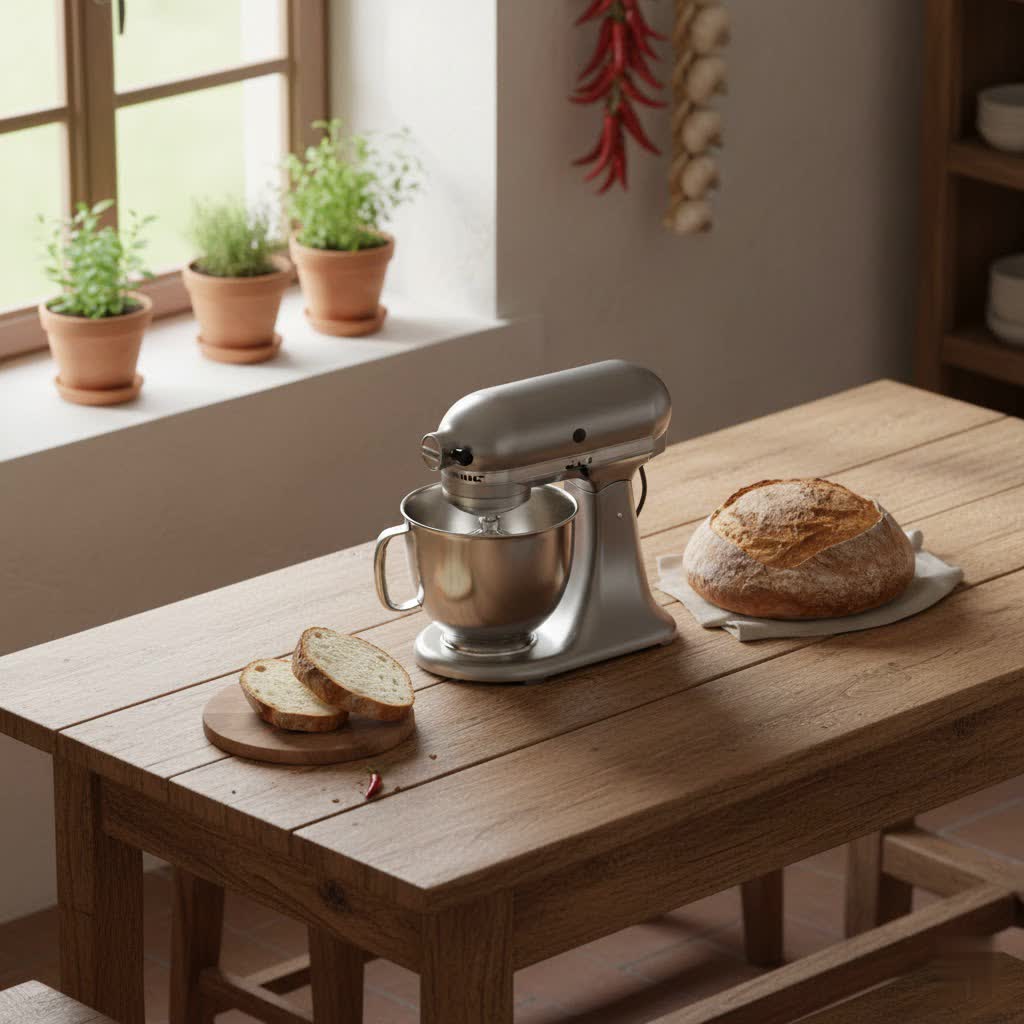
A stand mixer is an electric kitchen appliance that frees your hands from the strenuous and time-consuming tasks of mixing, beating, and kneading ingredients. Unlike hand mixers, a stand mixer features a powerful motor housed in a sturdy base, a mixing bowl that locks into place, and interchangeable attachments that rotate in a planetary action – meaning the attachment spins one way while the shaft spins the other – ensuring thorough and consistent mixing. This innovative mixing style covers the entire bowl, leaving no unmixed ingredients behind.
KitchenAid has been a pioneer in stand mixer technology for over a century, establishing a legacy of robust design and enduring performance. Their mixers are renowned for their all-metal construction, powerful motors, and an unparalleled range of attachments that transform the mixer into a true “culinary center.” This heritage of quality and innovation is why KitchenAid remains the go-to choice for both novice bakers and seasoned professionals worldwide.
Benefits of Owning a KitchenAid Stand Mixer
Investing in a KitchenAid stand mixer offers a multitude of advantages that can elevate your cooking and baking experience.
- Saves Time and Effort: Manual mixing and kneading can be incredibly demanding and time-consuming. A KitchenAid stand mixer tackles these tasks with ease, allowing you to focus on other aspects of your recipe or simply enjoy hands-free preparation. From whipping cream to kneading stiff bread dough, the mixer handles the heavy lifting.
- Unmatched Versatility in Food Preparation: Beyond basic mixing, KitchenAid stand mixers are true multi-taskers. With a wide array of attachments, they can grind meat, make fresh pasta, spiralize vegetables, churn ice cream, and much more. This transforms a single appliance into a powerful culinary hub, opening up a world of creative possibilities.
- Ensures Quality and Consistency: The planetary mixing action of a KitchenAid mixer ensures that all ingredients are thoroughly incorporated, leading to consistently smooth batters, perfectly kneaded doughs, and fluffy whipped ingredients every time. This precision is difficult to achieve manually and is crucial for high-quality results in baking.
- Ease of Use and Cleaning: KitchenAid mixers are designed for intuitive operation, typically featuring a simple speed control lever and easy-to-attach accessories. Most bowls and standard attachments are dishwasher-safe, making cleanup a breeze after your culinary creations.
- Exceptional Durability and Longevity: Built with robust, high-quality materials, KitchenAid stand mixers are known to be workhorses in the kitchen, often lasting for decades. Their sturdy construction ensures they can withstand the rigors of frequent and heavy use, making them a worthwhile long-term investment.
Key Factors When Choosing Your KitchenAid Stand Mixer
Choosing the right KitchenAid stand mixer involves evaluating several important criteria to match your baking habits, kitchen space, and budget.
Power and Capacity
The power and bowl capacity are fundamental considerations that dictate what and how much you can make.
- Analyze Your Needs:
- Small Households or Occasional Bakers: A 3.5-quart to 4.5-quart mixer is often sufficient for single batches of cookies, cakes, or light doughs.
- Average Families or Regular Bakers: A 5-quart model is typically the sweet spot, capable of handling larger batches, several loaves of bread, or multiple dozens of cookies.
- Large Families, Enthusiastic Bakers, or Professional Use: For heavy-duty tasks, dense doughs, or preparing food for crowds, 6-quart or 7-quart bowl-lift models offer the necessary power and capacity.
- Understanding Wattage: KitchenAid mixers range from approximately 250 watts (Artisan Mini) to 500 watts or more for professional-grade models. Higher wattage generally translates to more power for handling thicker, stiffer doughs without straining the motor. Some professional models utilize DC motors, which are often more efficient and powerful for their size than AC motors.
|
Our Picks for the Best Stand Mixer in 2026
As an Amazon Associate I earn from qualifying purchases.
|
||
| Num | Product | Action |
|---|---|---|
| 1 | VIVOHOME 3-in-1 Stand Mixer, 6 Quart Electric Tilt-Head Kitchen Mixer with Bowl, Multifunctional Food Mixer with Meat Grinder and Blender Attachments, Dough Hook, Beater, and Whisk, Red |

|
| 2 | VIVOHOME Stand Mixer, 660W 10 Speed 6 Quart Tilt-Head Kitchen Electric Food Mixer with Beater, Dough Hook, Wire Whip and Egg Separator, Black |
|
| 3 | VIVOHOME Stand Mixer, 660W 10 Speed 6 Quart Tilt-Head Kitchen Electric Food Mixer with Beater, Dough Hook, Wire Whip and Egg Separator, Gray |
|
| 4 | VIVOHOME Stand Mixer, 660W 10 Speed 6 Quart Tilt-Head Kitchen Electric Food Mixer with Beater, Dough Hook, Wire Whip and Egg Separator, Silver |
|
| 5 | Kitchen in the box Stand Mixer,3.2Qt Small Electric Food Mixer,6 Speeds Portable Lightweight Kitchen Mixer for Daily Use with Egg Whisk,Dough Hook,Flat Beater (Blue) |
|
| 6 | Stand Mixer, Zuccie 4.8QT Kitchen Electric Stand Mixer, 380W Motor Power Food Mixer, 8+P-Speed Dough Mixer with Dough Hook, Wire Whip & Beater, Silver |
|
| 7 | VIVOHOME Stand Mixer, 660W 10 Speed 6 Quart Tilt-Head Kitchen Electric Food Mixer with Beater, Dough Hook, Wire Whip and Egg Separator, Blue |
|
| 8 | Kitchen in the box Stand Mixer,3.2Qt Small Electric Food Mixer,6 Speeds Portable Lightweight Kitchen Mixer for Daily Use with Egg Whisk,Dough Hook,Flat Beater (Black) |
|
| 9 | VIVOHOME Stand Mixer, 660W 10 Speed 6 Quart Tilt-Head Kitchen Electric Food Mixer with Beater, Dough Hook, Wire Whip and Egg Separator, Red |
|
| 10 | VIVOHOME Stand Mixer, 660W 10 Speed 6 Quart Tilt-Head Kitchen Electric Food Mixer with Beater, Dough Hook, Wire Whip and Egg Separator, Pink |
|
Design Type: Tilt-Head vs. Bowl-Lift
KitchenAid offers two primary designs, each with distinct advantages for different users.
- Tilt-Head Models (e.g., Artisan, Classic, Mini): These mixers feature a head that tilts back, providing easy access to the bowl and attachments. They are generally more compact and fit better under most kitchen cabinets. The tilt-head design is often preferred for ease of adding ingredients and swapping accessories. However, with very heavy or stiff doughs, the head might exhibit slight bobbling or movement.
> “For casual bakers who prioritize ease of access and countertop aesthetics, the tilt-head models like the Artisan are an excellent choice. They offer sufficient power for most home baking needs.” – Sarah Miller, Culinary Expert and Baker - Bowl-Lift Models (e.g., Pro Line, Professional, 7-Quart): In this design, the mixing bowl is secured by arms and is lifted into place by a lever. The head remains stationary, offering superior stability and power, making them ideal for large batches and very dense doughs like sourdough. Bowl-lift models tend to be taller and heavier, requiring more dedicated countertop space.
Material and Bowl Types
The construction materials contribute to the mixer’s durability and functionality.
- Body Construction: KitchenAid is known for its durable, all-metal die-cast zinc construction, ensuring stability and longevity.
- Mixing Bowls:
- Stainless Steel: The most common and durable option, stainless steel bowls are lightweight, resistant to odors and staining, and typically dishwasher safe. Many come with comfortable ergonomic handles.
- Glass: Offers visibility into the mixing process, which can be helpful for precise work. However, they are heavier and more fragile.
- Ceramic: Provides an aesthetic appeal with various colors and patterns, but like glass, can be more delicate.
- Standard Attachments: Most KitchenAid mixers come standard with a flat beater (for general mixing), a wire whip (for aerating and whipping), and a dough hook (for kneading yeast doughs). Some models also include a flex edge beater, which features a silicone edge to scrape the bowl as it mixes, reducing the need to manually scrape down sides.
Features and Accessories
Beyond the core mixing functions, KitchenAid mixers offer various features and an extensive ecosystem of attachments.
- Speed Settings: Most models feature 10 variable speeds, allowing precise control from a gentle stir to a fast whip. Some advanced models might offer more incremental speeds or specialized settings.
- Power Hub: A signature KitchenAid feature is the universal power hub, located at the front of the mixer. This hub allows you to connect over a dozen optional attachments, effectively transforming your stand mixer into a versatile multi-tasking appliance.
- Optional Attachments: The range of accessories is vast, including:
- Pasta makers (rollers and cutters)
- Food grinders
- Ice cream makers
- Spiralizers
- Slicer/shredder attachments
- Juicers
- Sifter & Scale attachments
- Colors and Finishes: KitchenAid is famous for its vibrant array of colors, allowing you to choose a mixer that perfectly matches your kitchen decor and personal style. From classic reds and silvers to unique pastel hues and matte finishes, there’s a color for everyone.
Brand Reputation and Price
KitchenAid’s reputation for quality and its premium pricing go hand-in-hand.
- Investment: A KitchenAid stand mixer is generally considered a significant kitchen investment. Prices vary widely based on model, capacity, and features, from around $300 for basic models to over $600 for high-end professional series.
- Warranty: Most KitchenAid stand mixers come with at least a one-year warranty, covering defects in materials and workmanship. Some professional series might offer extended warranties. While some comparisons show other brands like Ankarsrum offering longer warranties, KitchenAid’s widespread service network and reputation for repairability are strong points.
Comparing Popular KitchenAid Stand Mixer Models
KitchenAid offers a range of models, each designed to cater to different needs and budgets. Here’s a quick comparison of some popular series:
| Model Series | Design Type | Capacity (Quarts) | Key Features & Ideal User | Pros | Cons |
|---|---|---|---|---|---|
| Classic Series | Tilt-Head | 4.5 | Entry-level, essential mixing. Ideal for casual home bakers or those on a budget. | Affordable entry into KitchenAid ecosystem, reliable for basic tasks, compact for tilt-head. | Lower wattage (275W), fewer color options (typically black/white), basic bowl (no handle). |
| Artisan Series | Tilt-Head | 5 | Most popular, versatile for everyday baking. Wide color selection. Ideal for most home bakers. | Iconic design, broad color palette, good balance of power (325W) and capacity, ergonomic bowl handle, wide range of compatible attachments. | Head may bobble with very stiff dough, slightly larger footprint than Mini. |
| Artisan Mini | Tilt-Head | 3.5 | Compact and lighter. Ideal for small kitchens, single servings, or occasional light baking. | 25% lighter and 20% smaller footprint than full-size Artisan, perfect for limited counter space, still offers 10 speeds and attachment compatibility. | Smaller capacity, less powerful motor (250W), may struggle with very large/heavy batches. |
| 7-Quart Bowl-Lift | Bowl-Lift | 7 | Most powerful, large capacity. Ideal for serious bakers, heavy doughs, and large-scale preparations. | Excellent stability for heavy mixing, powerful motor (up to 969W for some Pro Line models), high capacity for huge batches, durable commercial-grade components. | Tall and heavy (may not fit under cabinets), higher price point, less aesthetic appeal for some. |
For most home bakers, the KitchenAid Artisan Series 5-Quart Tilt-Head Stand Mixer hits the sweet spot, offering an excellent balance of capacity, power, features, and aesthetic appeal. If you frequently bake large quantities of dense bread dough or need maximum stability, graduating to a 7-Quart Bowl-Lift model would be a more suitable choice.
Maximizing Your KitchenAid Stand Mixer’s Lifespan
To ensure your KitchenAid stand mixer serves you faithfully for years, proper usage and maintenance are key.
Safe and Effective Usage
- Read the Manual: Always familiarize yourself with your specific model’s instructions, especially regarding capacity limits and recommended speeds for different tasks.
- Start Slow: Begin mixing on the lowest speed to prevent ingredients from splattering, then gradually increase to the desired speed.
- Don’t Overload: Adhere to the recommended maximum capacities for flour, dough, or batter to avoid straining the motor and causing premature wear.
- Use the Right Attachment: Each standard attachment (flat beater, wire whip, dough hook) is designed for a specific purpose. Using the wrong attachment can damage the mixer or result in poor mixing. For example, using the dough hook for cake batter can overmix it, while using the flat beater for heavy dough can strain the motor.
- Monitor for Strain: If your mixer sounds like it’s struggling or the head is excessively wobbling (on tilt-head models), reduce the load or switch to a lower speed. Persistent straining can lead to motor overheating and damage.
Cleaning and Maintenance
- Unplug Before Cleaning: Always unplug the mixer before cleaning to prevent accidental activation.
- Clean Attachments and Bowls Immediately: Most standard stainless steel bowls and attachments are dishwasher-safe. For glass or ceramic bowls, hand washing is recommended.
- Wipe Down the Base: Use a damp cloth to wipe the mixer’s head and base. Avoid abrasive cleaners or submerging the motor head in water.
- Store Properly: Ensure the mixer is clean and dry before storing. If storing for a long period, consider covering it to protect against dust and scratches.
Troubleshooting Common Issues
While KitchenAid mixers are robust, minor issues can sometimes arise.
- Head Bobbling (Tilt-Head Models): This is common with very stiff doughs. Ensure the head is fully locked. If it persists, try reducing the batch size.
- Motor Overheating: If the mixer feels hot to the touch or shuts off automatically, it’s likely overheated. Turn it off, unplug it, and let it cool down completely (at least 30 minutes) before resuming use. This often happens with overloaded bowls or excessively long mixing times for heavy dough.
- Attachments Not Reaching Bottom: If attachments aren’t scraping the bottom of the bowl, you may need to adjust the beater-to-bowl clearance. Consult your manual for specific instructions on how to do this for your model.
Where to Purchase Your KitchenAid Stand Mixer
KitchenAid stand mixers are widely available, both in physical stores and online.
- Authorized Retailers: Major department stores (like Macy’s, Kohl’s), home appliance stores (like Best Buy, Williams Sonoma), and culinary specialty shops are excellent places to see models in person, compare features, and often find sales.
- Online Marketplaces: Websites like Amazon, KitchenAid’s official site, and other major retailers’ online platforms offer convenience and a broad selection, often with competitive pricing and customer reviews.
- Tips for Online Buying:
- Check for Sales: KitchenAid mixers frequently go on sale during holidays or special promotional events.
- Verify Seller Authenticity: When buying from third-party sellers, ensure they are authorized to sell KitchenAid products to guarantee warranty and product quality.
- Read Reviews: Customer reviews can offer practical insights into a model’s performance and user experience.
KitchenAid Stand Mixer Buying Guide: Your Perfect Match
Choosing your ideal KitchenAid stand mixer doesn’t have to be overwhelming. By considering your specific needs, you can confidently select a model that will bring joy and efficiency to your kitchen for years.
Ask Yourself These Questions:
- What do I primarily bake/cook? (Light batters, heavy bread doughs, small batches, large quantities?)
- How often will I use it? (Daily, weekly, occasionally?)
- How much counter space do I have? (Measure your available height and width.)
- What is my budget? (KitchenAid offers options at various price points.)
- Are specific attachments essential for me? (Do you plan to make pasta, grind meat, etc.?)
For the casual baker or those with limited space, a KitchenAid Artisan Mini or Classic Series provides excellent foundational performance. If you’re a passionate home baker who makes a variety of goods for a family, the Artisan Series 5-Quart is likely your best bet, combining versatility with a classic design. For dedicated bread bakers, large families, or aspiring professionals, a 7-Quart Bowl-Lift model will offer the power and capacity required for demanding tasks.
Ultimately, a KitchenAid stand mixer is more than just an appliance; it’s an invitation to explore your culinary creativity with confidence and ease. Make an informed choice, and prepare to be inspired!
Frequently Asked Questions
Which KitchenAid Stand Mixer is best for kneading bread dough?
For kneading heavy bread dough, the KitchenAid 7-Quart Bowl-Lift Stand Mixer or other professional bowl-lift models are highly recommended. Their stationary head design provides superior stability and power, preventing the head from bobbling under the stress of stiff doughs, ensuring thorough and efficient kneading.
Can I put KitchenAid mixer bowls and attachments in the dishwasher?
Most standard stainless steel KitchenAid mixer bowls and attachments (flat beater, dough hook, wire whip) are dishwasher-safe. However, it’s always best to check your specific model’s user manual, as certain finishes or specialty attachments (like the flex edge beater or glass bowls) may require hand washing to maintain their integrity.
What is the difference between a tilt-head and a bowl-lift KitchenAid mixer?
A tilt-head mixer has a motor head that tilts back for easy access to the bowl and attachments, making it generally more compact. A bowl-lift mixer features a stationary head, with the bowl secured by arms and lifted into place by a lever, offering greater stability and power, especially for larger batches and heavy doughs.
