For many home bakers and culinary enthusiasts, a stand mixer is an indispensable tool. It transforms tedious manual tasks into effortless endeavors, freeing up your hands and ensuring perfectly consistent results. But what if your kitchen boasts limited counter space, or you primarily bake in smaller batches? This is where the Small Stand Mixer steps in, offering powerful performance in a compact footprint, proving that you don’t need a sprawling kitchen to create culinary magic.
Overview of Stand Mixers
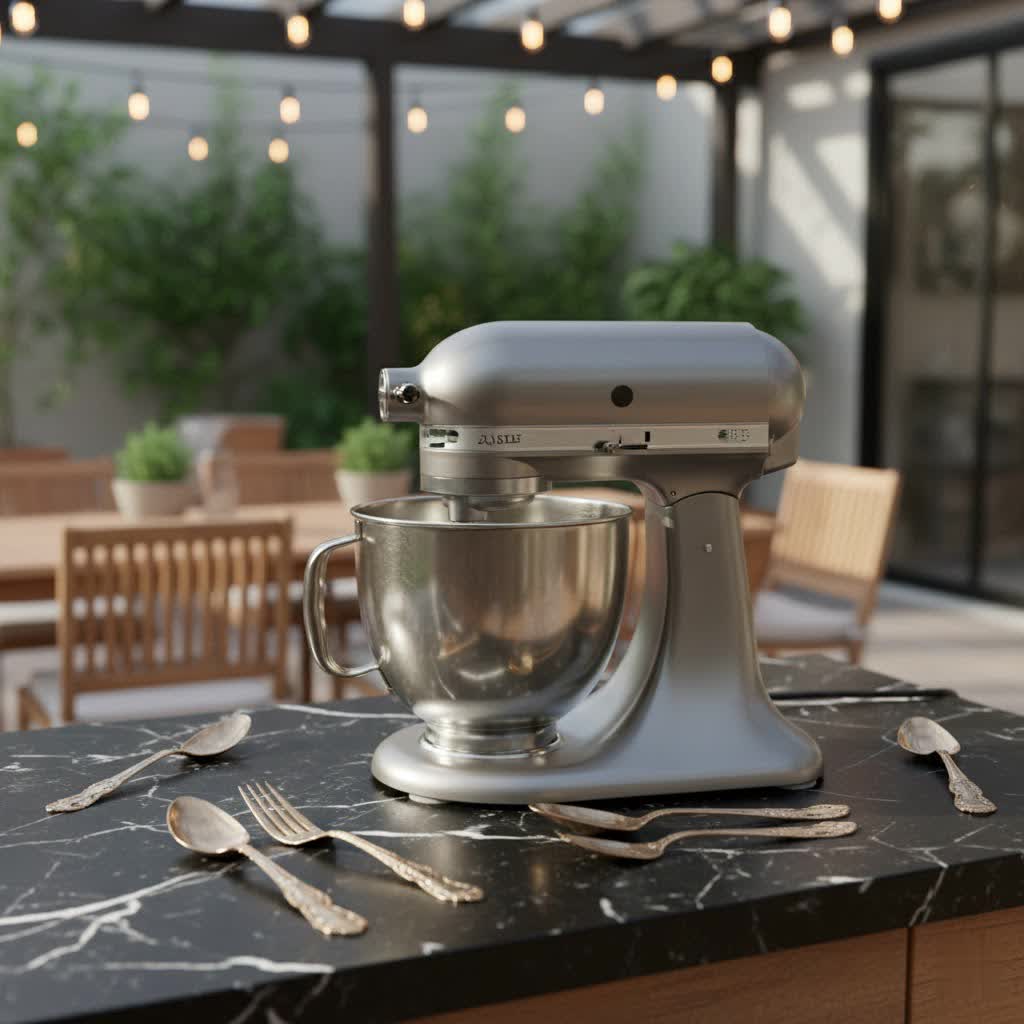
A stand mixer is a kitchen appliance that automates the strenuous tasks of mixing, whisking, and kneading. Unlike a hand mixer, it features a motor-driven head that holds beaters or dough hooks, allowing ingredients to be thoroughly combined in a stationary bowl. This revolutionary appliance has evolved significantly since its inception in the early 20th century, becoming a cornerstone in both home and professional kitchens.
While traditional stand mixers often boast large capacities, typically ranging from 4.5 to 7 quarts, a growing category caters specifically to those with smaller needs: the compact or mini stand mixer. These models retain the essential functionality and robust build of their larger counterparts but are designed with a reduced footprint and bowl capacity, typically between 3.5 and 4 quarts. This makes them ideal for apartments, smaller homes, or anyone who bakes for one or two, without compromising on performance.
Benefits of Using a Small Stand Mixer
Why should you consider adding a small stand mixer to your kitchen arsenal? The advantages extend far beyond just its size.
Firstly, a small stand mixer dramatically saves time and effort. Imagine whipping up a batch of meringues or kneading bread dough by hand—it’s exhausting! With a stand mixer, you simply add your ingredients, turn it on, and let the machine do the hard work. This frees your hands to prep other ingredients or tend to other tasks, making your baking process much more efficient.
Secondly, these mixers are incredibly versatile in food preparation. Beyond just mixing batter, many small stand mixers are compatible with a range of attachments, turning your single appliance into a multi-tasking powerhouse. You can grind meat, roll pasta, spiralize vegetables, and even make ice cream, all with one machine.
Moreover, a stand mixer guarantees consistent quality and uniformity in your mixtures. Its powerful motor and planetary mixing action ensure that all ingredients are thoroughly incorporated, eliminating lumps and uneven textures that can plague hand-mixed recipes. This consistency is key for achieving professional-level results in your baking and cooking.
Finally, small stand mixers are easy to use and clean. Their intuitive controls make operation simple, even for novice bakers. Many bowls and attachments are dishwasher-safe, simplifying cleanup. For compact models, their lighter weight and smaller size make them easier to move and store, perfect for kitchens where every inch counts.
Criteria for Choosing a Small Stand Mixer
Selecting the perfect small stand mixer requires careful consideration of several factors to ensure it meets your specific needs and kitchen setup.
Power and Capacity
|
Our Picks for the Best Stand Mixer in 2026
As an Amazon Associate I earn from qualifying purchases.
|
||
| Num | Product | Action |
|---|---|---|
| 1 | Stand Mixer, Zuccie 4.8QT Kitchen Electric Stand Mixer, 380W Motor Power Food Mixer, 8+P-Speed Dough Mixer with Dough Hook, Wire Whip & Beater, Silver |

|
| 2 | VIVOHOME Stand Mixer, 660W 10 Speed 6 Quart Tilt-Head Kitchen Electric Food Mixer with Beater, Dough Hook, Wire Whip and Egg Separator, Blue |
|
| 3 | Kitchen in the box Stand Mixer,3.2Qt Small Electric Food Mixer,6 Speeds Portable Lightweight Kitchen Mixer for Daily Use with Egg Whisk,Dough Hook,Flat Beater (Blue) |
|
| 4 | VIVOHOME Stand Mixer, 660W 10 Speed 6 Quart Tilt-Head Kitchen Electric Food Mixer with Beater, Dough Hook, Wire Whip and Egg Separator, Pink |
|
| 5 | VIVOHOME Stand Mixer, 660W 10 Speed 6 Quart Tilt-Head Kitchen Electric Food Mixer with Beater, Dough Hook, Wire Whip and Egg Separator, Gray |
|
| 6 | VIVOHOME Stand Mixer, 660W 10 Speed 6 Quart Tilt-Head Kitchen Electric Food Mixer with Beater, Dough Hook, Wire Whip and Egg Separator, Silver |
|
| 7 | VIVOHOME Stand Mixer, 660W 10 Speed 6 Quart Tilt-Head Kitchen Electric Food Mixer with Beater, Dough Hook, Wire Whip and Egg Separator, Black |
|
| 8 | Kitchen in the box Stand Mixer,3.2Qt Small Electric Food Mixer,6 Speeds Portable Lightweight Kitchen Mixer for Daily Use with Egg Whisk,Dough Hook,Flat Beater (Black) |
|
| 9 | VIVOHOME 3-in-1 Stand Mixer, 6 Quart Electric Tilt-Head Kitchen Mixer with Bowl, Multifunctional Food Mixer with Meat Grinder and Blender Attachments, Dough Hook, Beater, and Whisk, Red |
|
| 10 | VIVOHOME Stand Mixer, 660W 10 Speed 6 Quart Tilt-Head Kitchen Electric Food Mixer with Beater, Dough Hook, Wire Whip and Egg Separator, Red |
|
The “small” in small stand mixer refers primarily to its bowl capacity, which typically ranges from 3.5 to 4 quarts. This is perfectly suited for handling small to medium batches, such as a single loaf of bread, a batch of cookies (up to 5 dozen), or a standard cake batter. Consider your typical baking volume: if you’re frequently making double recipes or baking for large gatherings, a slightly larger model might be more appropriate.
Power, measured in watts, indicates the strength of the motor. For small stand mixers, motors generally range from 250 to 300 watts. While this might seem lower than full-size models, it’s usually ample for the smaller batches they handle, effectively mixing cookie dough, whipping cream, and kneading most bread doughs without strain.
Material
The body of a stand mixer can be made from either plastic or metal. Plastic bodies are generally lighter and more affordable but may feel less robust. Metal bodies, often made from die-cast zinc or stainless steel, offer superior durability, stability, and a premium aesthetic, though they tend to be heavier and more expensive. For stability on the counter, a heavier base is often preferred, even for smaller models.
Mixing bowls are commonly made from stainless steel, which is lightweight, durable, and easy to clean. Some models offer glass bowls, which allow you to see the mixing process but are heavier and more fragile. Plastic bowls, like those found on some Bosch compact mixers, are also lightweight and durable.
The attachments—flat beater, wire whisk, and dough hook—are usually made from coated metal or stainless steel. Stainless steel attachments are generally more durable and dishwasher-safe. The flat beater is used for normal to heavy mixtures, like cake batter and cookie dough. The wire whisk is perfect for aerating ingredients like egg whites and cream. The dough hook is designed for kneading yeast doughs for bread and pizza.
Features
Modern small stand mixers come equipped with a variety of features that enhance usability and performance.
- Speed Settings: Most models offer multiple speed settings, typically from 6 to 10. This allows for precise control, from gentle stirring to rapid whipping, accommodating a wide range of recipes. Some also include a “fold” setting for delicate incorporation.
- Design Type: The majority of small stand mixers feature a tilt-head design, where the motor head tilts back, allowing easy access to the bowl and attachments. This design is favored for its convenience in adding ingredients and changing tools. While bowl-lift designs exist for larger, professional models, they are less common in the compact segment.
- Additional Attachments: Many popular small stand mixers, like the KitchenAid Artisan Mini, are compatible with an array of optional attachments. These can transform your mixer into a food grinder, pasta maker, spiralizer, or juicer, greatly expanding its utility without cluttering your kitchen with separate appliances.
- Stability: Given their lighter weight, stability is an important consideration. Look for models with suction cups or heavy bases that prevent the mixer from “walking” across your countertop during strenuous tasks like kneading dough. Planetary mixing action, where the attachment rotates on its own axis while also revolving around the bowl, is crucial for thorough and efficient mixing.
- Quiet Operation: While all stand mixers produce some noise, certain models are designed for quieter operation, a valuable feature for those who frequently bake.
Brand and Price
The market for small stand mixers features several reputable brands, each offering a distinct balance of features, quality, and price.
- KitchenAid: The KitchenAid Artisan Mini is a perennial favorite, known for its iconic design, robust performance, and compatibility with numerous attachments. It offers premium quality and a wide range of colors but comes at a higher price point.
- Hamilton Beach & Dash: These brands often provide more budget-friendly options, suitable for occasional bakers or those new to stand mixers. They offer good basic functionality and compact designs at a more accessible price.
- Bosch & Kenwood: These brands offer compact mixers praised for specific attributes, such as Bosch’s lightweight design and efficiency for bread dough, or Kenwood’s sleek, space-saving build.
Prices for small stand mixers can range from around $40 for basic models to over $450 for premium options. It’s essential to consider the warranty offered and look out for promotions, especially during holiday sales, to get the best value for your investment.
Comparison of Popular Small Stand Mixer Models
To help you make an informed decision, here’s a comparative look at some top small stand mixer models:
| Model | Capacity (Quarts) | Power (Watts) | Weight (Lbs) | Design | Key Features | Pros | Cons |
|---|---|---|---|---|---|---|---|
| KitchenAid Artisan Mini | 3.5 | 250-300 | 16 | Tilt-Head | 10 speeds, compatible with 10+ attachments, iconic design, many colors | Powerful for its size, versatile, durable, stylish | Higher price point |
| Hamilton Beach (Compact) | 3.5 – 4 | 300 | 11-12 | Tilt-Head | 6-7 speeds, includes basic attachments, budget-friendly | Affordable, good for basic tasks, lightweight | Less powerful for heavy dough, fewer attachment options |
| Bosch Compact Mixer | 4 | 400 | <6 | Tilt-Head | Three separate drives, lightweight, good for bread dough, unique design | Extremely lightweight, efficient for dough, easy to store | Plastic bowl, limited color options |
| Kenwood Go Compact | ~3.5 | ~350-400 | ~10 | Tilt-Head | Precise speed control, rotating splash guard, compact design, sleek colors | Space-saving, good performance, modern aesthetic | Less common in some markets |
| Dash Tilt-Head Stand Mixer | 3.5 | 250 | 7-8 | Tilt-Head | 6 speeds, retro design, very lightweight, budget-friendly | Very affordable, compact, easy to store | Less durable, basic functionality |
> “Choosing a small stand mixer doesn’t mean sacrificing capability. Modern compact models are engineered to handle most home baking needs with impressive efficiency and precision.” – Admin, Reviewerog.com
Usage and Maintenance Guide for Your Small Stand Mixer
To ensure your small stand mixer performs optimally and lasts for years, proper usage and maintenance are key.
-
Safe and Efficient Use:
- Always ensure the mixer is on a stable, flat surface before operating.
- Begin mixing at a low speed to prevent ingredients from splattering, gradually increasing as needed.
- Do not overload the bowl beyond its recommended capacity, as this can strain the motor.
- Always turn off and unplug the mixer before attaching or removing accessories, or scraping the bowl.
- Use the appropriate attachment for the task: the flat beater for general mixing, the wire whisk for aerating, and the dough hook for kneading.
-
Attachment Care:
- Most stainless steel or coated attachments are dishwasher-safe. Always check your manufacturer’s instructions.
- For handwashing, use warm, soapy water and a non-abrasive sponge. Dry thoroughly to prevent water spots or rust.
-
Cleaning and Storage:
- After each use, wipe down the mixer’s body with a damp cloth. Avoid harsh chemicals or abrasive cleaners.
- For bowls, wash them immediately after use to prevent food from drying on. Many stainless steel bowls are dishwasher-safe.
- Given their compact size, small stand mixers are designed for easy storage. Many can fit inside cabinets or on shelves, leaving your countertops free. Always store the mixer in a dry place.
-
Common Troubleshooting:
- Mixer is shaking excessively: This usually happens with very stiff doughs. Ensure the mixer is on a stable surface. Some models have suction cups to secure them. If it persists, you might be overloading the machine.
- Ingredients not mixing thoroughly: Ensure the attachment is correctly fitted. Some mixers require minor adjustments to the beater-to-bowl clearance. Also, scrape down the sides of the bowl periodically with a spatula.
- Motor feels hot: For heavy tasks, the motor may warm up. This is usually normal. If it’s excessively hot or emits a burning smell, turn it off immediately and consult the manual or customer service.
Where to Buy a Small Stand Mixer?
Finding your ideal small stand mixer is easier than ever with numerous retail options available.
You can visit major electronics and home appliance stores in person. This allows you to see the mixers firsthand, compare their sizes, weights, and aesthetics, and get advice from sales associates.
Alternatively, online retail giants such as Amazon, Best Buy, Target, and the official websites of brands like KitchenAid, Bosch, and Kenwood offer a vast selection. Shopping online provides convenience, detailed product descriptions, and access to customer reviews and ratings, which can be invaluable for making a decision.
When purchasing online, always:
- Verify the seller’s reputation.
- Check the return policy and warranty information.
- Compare prices from different retailers.
- Read recent customer reviews, paying attention to comments about size, performance, and durability.
Buying Guide
To summarize, here’s a quick buying guide to help you choose the best small stand mixer for your home:
- Assess Your Needs: How often do you bake? What batch sizes do you typically make? (e.g., small batches for 1-2 people).
- Consider Space: How much counter space can you dedicate, and where will you store it?
- Prioritize Capacity: A 3.5 to 4-quart bowl is standard for compact models.
- Check Power: Look for 250-300 watts for efficient mixing of typical small-batch recipes.
- Evaluate Materials: Decide between a plastic or metal body, and the preferred bowl material (stainless steel is common and durable).
- Review Features: Look for multiple speed settings, a tilt-head design for ease of use, and compatibility with additional attachments if versatility is important to you.
- Set Your Budget: Small stand mixers range widely in price, so determine what you’re willing to spend.
- Read Reviews: Customer feedback can offer practical insights into performance and durability.
Before making a purchase, ask yourself: Will this mixer handle my most common baking tasks efficiently? Is it easy to store and clean? Does it fit my kitchen aesthetic and budget?
Conclusion
A small stand mixer is more than just a kitchen gadget; it’s a powerful ally for anyone who loves to bake but contends with limited space. These compact powerhouses offer the convenience, versatility, and consistent results of their full-sized counterparts, proving that great things truly do come in small packages. With careful consideration of capacity, power, features, and brand reputation, you can find a mini mixer that perfectly complements your culinary ambitions and transforms your kitchen experience.
Ready to take your baking to the next level without sacrificing precious counter space?
Frequently Asked Questions
Are small stand mixers powerful enough for kneading bread dough?
Yes, many small stand mixers, especially those from reputable brands like KitchenAid Artisan Mini or Bosch Compact, are designed with sufficient power (250-400 watts) and planetary mixing action to effectively knead most bread doughs in smaller batches.
What is the ideal bowl capacity for a small kitchen?
For a small kitchen or individual/small household baking needs, a bowl capacity of 3.5 to 4 quarts is generally ideal. This size is versatile enough for making cookies, cakes, whipped cream, and smaller loaves of bread without taking up excessive space.
Can I use full-size stand mixer attachments with a small stand mixer?
While some small stand mixers, like the KitchenAid Artisan Mini, are compatible with many of the brand’s full-size hub attachments (e.g., pasta makers, food grinders), the mixing bowl attachments (beaters, whisks, dough hooks) are specific to the mini model’s bowl size and are not interchangeable with larger mixers.
How much counter space does a small stand mixer save?
A small stand mixer can save significant counter space compared to a full-size model, often having a footprint that is 20-25% smaller and being lighter in weight. This makes them easier to store in cabinets or on shelves when not in use.
What’s the best way to clean a small stand mixer?
For most small stand mixers, the bowl and attachments are dishwasher-safe (check manufacturer guidelines). The main unit should be wiped down with a damp cloth, ensuring no liquids get into the motor. Regular cleaning after each use prevents food buildup.
