For over a century, KitchenAid has been a cornerstone in home kitchens, transforming the art of baking and cooking. The KitchenAid Tilt-Head Stand Mixer stands as a testament to this legacy, an iconic appliance revered by professional chefs and home bakers alike. If you’re pondering an upgrade to your culinary toolkit, or perhaps venturing into the world of hands-free mixing for the first time, understanding the nuances of this celebrated machine is crucial. This comprehensive guide will navigate through its features, benefits, and various models, ensuring you select the perfect KitchenAid Tilt-Head Stand Mixer to unleash your creative potential in the kitchen.
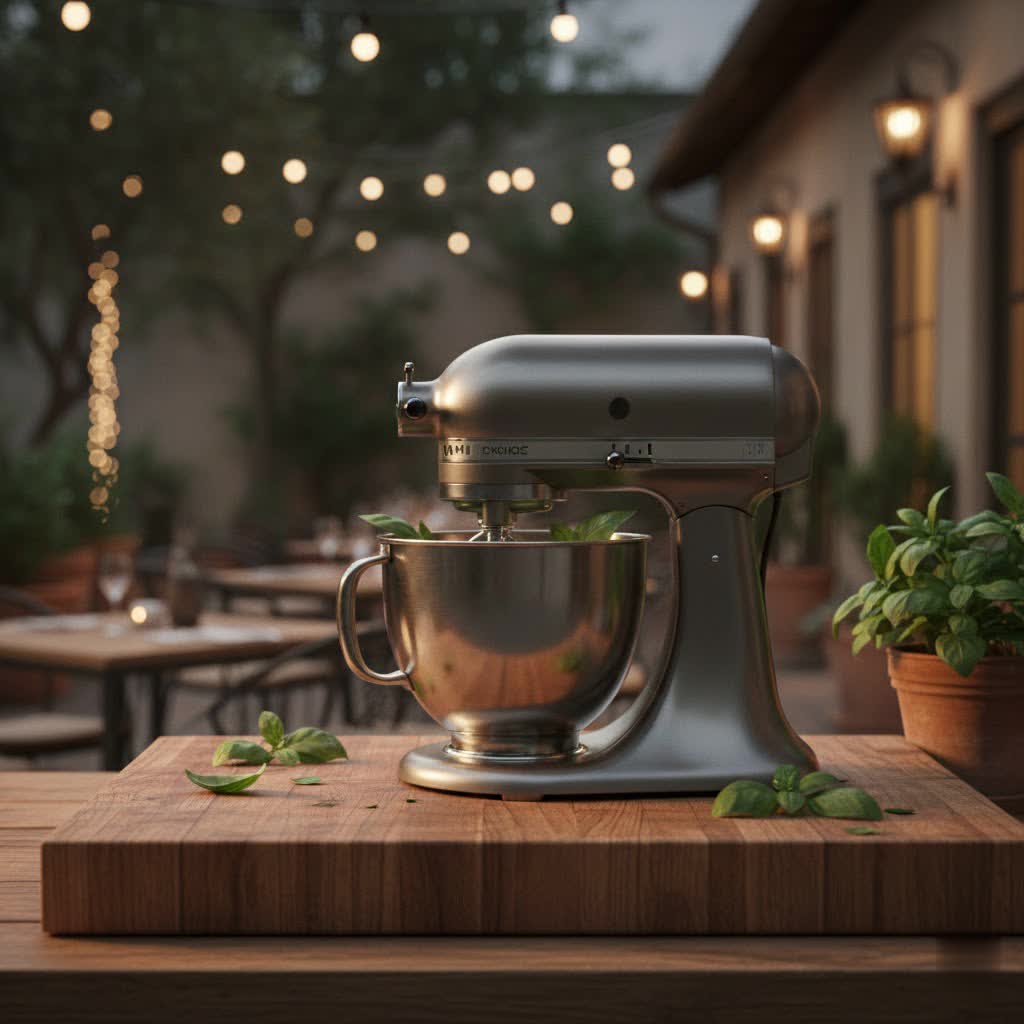
Overview of KitchenAid Tilt-Head Stand Mixers
A KitchenAid Tilt-Head Stand Mixer is a countertop appliance designed to streamline a multitude of kitchen tasks, from kneading dense bread dough to whipping airy meringues. Its core function is to provide hands-free, consistent mixing, freeing you to focus on other aspects of your recipe.
The history of KitchenAid stand mixers dates back to 1919 with the introduction of the H-5 model. Over the decades, KitchenAid has continually refined its designs, culminating in the sleek, powerful, and versatile machines we know today. The tilt-head design, in particular, has become a hallmark of convenience and accessibility, making it a favorite for everyday use.
Popular KitchenAid Tilt-Head Stand Mixer models typically include the Artisan Series, the Classic Series, and the Artisan Mini. Each offers varying capacities and features, catering to different kitchen sizes and baking demands. The Artisan Series, with its 5-quart bowl, is often the most popular choice, balancing capacity with countertop footprint. The Classic provides a slightly smaller 4.5-quart bowl, while the Artisan Mini is designed for compact spaces and smaller batches with its 3.5-quart capacity.
Why Choose a KitchenAid Tilt-Head Stand Mixer?
Investing in a KitchenAid Tilt-Head Stand Mixer brings a host of benefits that can profoundly impact your cooking and baking experience.
Firstly, it offers significant time and effort savings. Tasks like kneading dough, creaming butter and sugar, or whipping egg whites that once required strenuous manual labor become effortless. The mixer handles the repetitive work, allowing you to multitask or simply enjoy the process more.
Secondly, its versatility in food preparation is unmatched. Beyond its primary mixing functions, a KitchenAid stand mixer transforms into a multi-purpose culinary hub with a wide array of optional attachments. From grinding meats and making fresh pasta to spiralizing vegetables and preparing ice cream, the possibilities are vast, effectively replacing numerous single-purpose appliances.
Thirdly, you can consistently expect high-quality and uniform results. The planetary mixing action, a signature KitchenAid feature, ensures that the beater spirals to 59 or more touchpoints within the bowl, thoroughly incorporating ingredients. This results in evenly mixed batters, perfectly kneaded doughs, and consistently whipped creams, leading to superior tasting and textured creations.
Lastly, the tilt-head design itself contributes to ease of use and cleaning. The head easily tilts back, providing clear access to the mixing bowl and attachments for effortless ingredient addition and removal. Most bowls and standard attachments are also dishwasher safe, simplifying cleanup after your culinary adventures.
Key Factors When Selecting Your KitchenAid Tilt-Head Stand Mixer
Choosing the right KitchenAid Tilt-Head Stand Mixer involves evaluating several factors to ensure it aligns perfectly with your baking habits and kitchen setup.
Power and Capacity
Consider your typical baking volume. For power, KitchenAid tilt-head mixers generally range from 250 to 325 watts. A 325-watt motor, common in the Artisan Series, is robust enough for most home baking tasks, including kneading dense bread dough and mixing stiff cookie batters. The Artisan Mini, with its 250-watt motor, is suitable for lighter tasks and smaller quantities.
For capacity, tilt-head models come in a few sizes:
- 3.5-quart (Artisan Mini): Ideal for small households or those with limited counter space, capable of making up to 5 dozen cookies in a single batch.
- 4.5-quart (Classic Series): A good entry-level option for everyday baking and smaller family meals.
- 5-quart (Artisan Series): The most popular choice, offering ample capacity for standard family recipes, such as up to 9 dozen cookies or multiple loaves of bread.
|
Our Picks for the Best Stand Mixer in 2026
As an Amazon Associate I earn from qualifying purchases.
|
||
| Num | Product | Action |
|---|---|---|
| 1 | Kitchen in the box Stand Mixer,3.2Qt Small Electric Food Mixer,6 Speeds Portable Lightweight Kitchen Mixer for Daily Use with Egg Whisk,Dough Hook,Flat Beater (Blue) |

|
| 2 | VIVOHOME Stand Mixer, 660W 10 Speed 6 Quart Tilt-Head Kitchen Electric Food Mixer with Beater, Dough Hook, Wire Whip and Egg Separator, Pink |
|
| 3 | Stand Mixer, Zuccie 4.8QT Kitchen Electric Stand Mixer, 380W Motor Power Food Mixer, 8+P-Speed Dough Mixer with Dough Hook, Wire Whip & Beater, Silver |
|
| 4 | VIVOHOME Stand Mixer, 660W 10 Speed 6 Quart Tilt-Head Kitchen Electric Food Mixer with Beater, Dough Hook, Wire Whip and Egg Separator, Red |
|
| 5 | VIVOHOME Stand Mixer, 660W 10 Speed 6 Quart Tilt-Head Kitchen Electric Food Mixer with Beater, Dough Hook, Wire Whip and Egg Separator, Silver |
|
| 6 | VIVOHOME Stand Mixer, 660W 10 Speed 6 Quart Tilt-Head Kitchen Electric Food Mixer with Beater, Dough Hook, Wire Whip and Egg Separator, Blue |
|
| 7 | VIVOHOME 3-in-1 Stand Mixer, 6 Quart Electric Tilt-Head Kitchen Mixer with Bowl, Multifunctional Food Mixer with Meat Grinder and Blender Attachments, Dough Hook, Beater, and Whisk, Red |
|
| 8 | VIVOHOME Stand Mixer, 660W 10 Speed 6 Quart Tilt-Head Kitchen Electric Food Mixer with Beater, Dough Hook, Wire Whip and Egg Separator, Gray |
|
| 9 | Kitchen in the box Stand Mixer,3.2Qt Small Electric Food Mixer,6 Speeds Portable Lightweight Kitchen Mixer for Daily Use with Egg Whisk,Dough Hook,Flat Beater (Black) |
|
| 10 | VIVOHOME Stand Mixer, 660W 10 Speed 6 Quart Tilt-Head Kitchen Electric Food Mixer with Beater, Dough Hook, Wire Whip and Egg Separator, Black |
|
Match the bowl size to your average recipe batch to avoid overfilling or struggling with insufficient quantities.
Materials and Construction
KitchenAid stand mixers are renowned for their durable, all-metal construction, ensuring longevity and stability even during heavy-duty mixing. This robust build prevents the mixer from “walking” on the countertop.
The mixing bowls are typically made from polished stainless steel, known for its durability, non-reactivity, and ease of cleaning. Some Artisan Design Series models feature elegant glass or ceramic bowls, which can add a touch of style to your kitchen, though they are often heavier and more fragile than stainless steel.
The attachments usually include a coated flat beater, a coated dough hook, and a wire whip. The coated attachments are easy to clean and often dishwasher safe. The wire whip, typically made of stainless steel wires, is excellent for aerating ingredients but often requires handwashing to maintain its integrity and prevent corrosion over time.
Features and Accessories
All KitchenAid Tilt-Head Stand Mixers feature 10 optimized speeds, allowing you to gently stir, mix, beat, and whip ingredients with precision. This range of speeds ensures thorough ingredient incorporation for any recipe.
A key advantage is the multi-purpose attachment hub located at the front of the mixer. This hub powers a wide array of optional attachments, transforming your stand mixer into a versatile kitchen appliance. Popular attachments include pasta makers, food grinders, juicers, ice cream makers, and spiralizers, vastly extending the mixer’s utility beyond just baking.
The tilt-head design itself is a major feature, allowing for easy access to the bowl and attachments. A sturdy lock mechanism secures the head in place during operation, ensuring stability and safety.
Brand Reputation and Value
KitchenAid has an established reputation for producing high-quality, durable, and reliable kitchen appliances. While their stand mixers represent a significant investment, their longevity and performance often justify the cost. They are built to last for years, often becoming cherished family heirlooms.
Prices vary by model, capacity, and series (e.g., Artisan, Classic, Mini, Design). Look for models that fit your budget while still meeting your primary needs. KitchenAid also offers a standard 1-year limited warranty, underscoring their commitment to product quality.
Tilt-Head vs. Bowl-Lift: Which KitchenAid Is Right for You?
One of the most common dilemmas for prospective buyers is choosing between a tilt-head and a bowl-lift KitchenAid stand mixer. Both styles offer distinct advantages, making the best choice dependent on your specific needs.
KitchenAid Tilt-Head Stand Mixers are characterized by a head that tilts back, providing easy access to the mixing bowl and attachments.
- Pros:
- Easy Access: Simple to add ingredients, scrape the bowl, or swap attachments.
- Compact Size: Generally more compact than bowl-lift models, fitting better under kitchen cabinets.
- Aesthetic Appeal: Available in the widest range of colors and finishes, allowing for personalization to match kitchen decor.
- Common Use: Excellent for most home baking tasks, including cakes, cookies, and moderate amounts of bread dough.
- Cons:
- Less Stability for Heavy Doughs: Can sometimes “walk” or move slightly when kneading very heavy or stiff doughs in large quantities.
- Smaller Capacity Options: Typically range from 3.5 to 5 quarts, which might be limiting for very large batch baking.
KitchenAid Bowl-Lift Stand Mixers, on the other hand, feature a bowl that attaches to arms on the base and is raised into mixing position with a lever. The head remains stationary.
- Pros:
- Greater Stability: More stable and robust, ideal for heavy-duty tasks and kneading large quantities of dense dough.
- Larger Capacities: Often available in larger sizes, from 5 to 7 quarts, catering to professional bakers or those who bake for crowds.
- More Powerful Motors: Generally equipped with more powerful motors, making them better suited for continuous, heavy mixing.
- Cons:
- Less Convenient Access: Can be more challenging to add ingredients or scrape the bowl, as the beater may obstruct access even when the bowl is lowered.
- Larger Footprint: Tends to be taller and heavier, requiring more counter space and potentially not fitting under standard cabinets.
- Fewer Color Options: Generally available in a more limited range of colors compared to tilt-head models.
Decision Factor: If you primarily bake moderate batches, value ease of access, a wide array of color choices, and need a mixer that fits neatly on your countertop, a Tilt-Head model is likely your best bet. However, if you frequently tackle large batches, heavy doughs, or prioritize raw power and maximum stability, a Bowl-Lift model might be more appropriate.
Getting the Most Out of Your KitchenAid Tilt-Head Stand Mixer
To ensure longevity and optimal performance from your KitchenAid Tilt-Head Stand Mixer, proper usage and maintenance are key.
Safe and Effective Use:
- Always attach the bowl and desired accessory securely before starting the mixer.
- Begin mixing on the lowest speed (“Stir”) to prevent splashing, especially with dry ingredients, then gradually increase speed as needed.
- Lock the tilt-head in place before operating the mixer to ensure stability.
- Avoid overloading the mixer beyond its recommended capacity, as this can strain the motor.
- If the mixer gets warm during extended use, allow it to cool down before continuing.
Attachment Usage Tips:
- Flat Beater: Your go-to for general mixing, creaming, and mashing. Perfect for cake batter, cookie dough, mashed potatoes, and glazes.
- Dough Hook: Designed for kneading yeast doughs like bread, pizza, and pasta. Use it on lower speeds to allow the dough to develop properly.
- Wire Whip: Essential for aerating ingredients. Use for whipping cream, egg whites, and light batters to achieve fluffy textures. Ensure the bowl is clean and dry for best results with whipping.
Cleaning and Maintenance:
- Unplug the mixer before cleaning or attaching/detaching accessories.
- Most stainless steel bowls and coated flat beaters and dough hooks are dishwasher safe.
- The wire whip is often made with aluminum or stainless steel, but the attachment point can be aluminum. Handwash the wire whip promptly with warm, soapy water to prevent discoloration or corrosion, especially if it has an aluminum base.
- Wipe down the mixer’s power hub and exterior with a damp cloth; never immerse the motor head in water.
- Store your mixer in a clean, dry place.
Common Issues and Troubleshooting:
- Mixer “walking”: This often occurs with heavy doughs on higher speeds. Ensure the mixer is on a flat, stable surface and the head is securely locked. Consider a bowl-lift model if this is a persistent issue with your typical baking.
- Attachments not reaching ingredients: Adjust the beater-to-bowl clearance. Consult your user manual for instructions on how to adjust the screw at the neck of the mixer.
Where to Purchase Your KitchenAid Tilt-Head Stand Mixer
KitchenAid Tilt-Head Stand Mixers are widely available from various reputable retailers.
Authorized Retailers:
- Department Stores: Major department stores (e.g., Macy’s, Kohl’s) often carry a selection of KitchenAid mixers, sometimes with exclusive colors or bundles.
- Appliance Stores: Dedicated appliance retailers (e.g., Williams Sonoma, Sur La Table) offer a broad range of models and often have knowledgeable staff.
- Big-Box Stores: Retail giants like Target and Walmart also stock KitchenAid mixers, particularly popular models like the Artisan.
Online Stores:
- KitchenAid’s Official Website: The best place to find the full range of models, colors, and attachments, often with promotions and direct warranty support.
- Amazon: Offers competitive pricing and a vast selection, but ensure you are buying from an authorized seller.
Tips for Online Shopping:
- Check for Sales and Bundles: Retailers often run promotions, especially during holidays, or offer bundles that include extra bowls or attachments.
- Read Reviews: Look at user reviews for specific models to gauge satisfaction and identify potential quirks.
- Verify Warranty: Ensure the product comes with the full manufacturer’s warranty.
Your Ultimate KitchenAid Tilt-Head Stand Mixer Buying Guide
Choosing your KitchenAid Tilt-Head Stand Mixer is an exciting step towards expanding your culinary capabilities. Here’s a concise guide to help you make the best decision:
-
Assess Your Baking Frequency and Batch Size:
- Occasional, small batches (up to 5 dozen cookies): Artisan Mini (3.5-quart).
- Regular, family-sized batches (up to 9 dozen cookies): Artisan Series (5-quart) or Classic Series (4.5-quart).
- Very large batches or heavy doughs (consider bowl-lift for this): While tilt-heads can handle some bread dough, for consistent heavy work, a bowl-lift might be better.
-
Evaluate Your Counter Space:
- Tilt-head models are generally more compact, making them a good fit for smaller kitchens or limited counter space. Measure your available space, especially height, if you plan to store it under cabinets.
-
Consider Your Aesthetic Preference:
- KitchenAid tilt-head mixers come in an unparalleled spectrum of colors. Choose a color that complements your kitchen decor or expresses your personality.
-
Prioritize Accessories:
- Think about the types of cooking and baking you want to do. If you plan to use specialized attachments like pasta makers or meat grinders, ensure you factor those into your budget.
-
Set Your Budget:
- While KitchenAid mixers are an investment, they offer exceptional value over their lifespan. Prices vary, so identify your comfortable price range and look for sales.
Before you buy, ask yourself these questions:
- What is the maximum amount of flour I typically use in a recipe?
- How often will I be kneading heavy doughs?
- Do I have enough counter space, and will it fit under my cabinets?
- Which included attachments are essential for my needs?
- Are there any specific colors or finishes I desire?
> “A KitchenAid stand mixer is more than just an appliance; it’s a centerpiece of culinary inspiration, empowering home cooks to explore new recipes with confidence and creativity.” – Chef Julia Reynolds, Award-winning Pastry Chef
Conclusion
The KitchenAid Tilt-Head Stand Mixer is an invaluable asset for any kitchen, offering a blend of iconic design, robust performance, and unparalleled versatility. Whether you’re a seasoned baker or just beginning your culinary journey, its ability to save time, deliver consistent results, and adapt to a myriad of tasks through its extensive attachments makes it a worthwhile investment. By carefully considering your specific needs regarding capacity, power, features, and aesthetic preferences, you can confidently select the perfect model to become your trusted partner in the kitchen.
Which delicious creation will you whip up first with your new KitchenAid Tilt-Head Stand Mixer?
Frequently Asked Questions
What is the primary advantage of a tilt-head design over a bowl-lift design?
The main advantage of a tilt-head design is easier access to the mixing bowl and attachments. By simply tilting the head back, you can effortlessly add ingredients, scrape down the sides of the bowl, or switch out accessories, making the entire mixing process more convenient for everyday home baking.
Can KitchenAid tilt-head mixers effectively knead bread dough?
Yes, KitchenAid tilt-head mixers, particularly the Artisan Series with its 325-watt motor and dough hook, can effectively knead most bread doughs for home use. For very large batches or extremely stiff doughs, a bowl-lift model might offer more stability and power, but for typical loaves and pizzas, the tilt-head performs admirably.
How do I clean my KitchenAid tilt-head stand mixer and its attachments?
To clean your tilt-head stand mixer, always unplug it first. The stainless steel bowl, coated flat beater, and coated dough hook are typically dishwasher safe. The wire whip usually requires handwashing with warm, soapy water to prevent corrosion. Wipe the mixer’s exterior and attachment hub with a damp cloth, avoiding immersion in water.
Is the KitchenAid Artisan Mini powerful enough for regular baking?
The KitchenAid Artisan Mini, with its 3.5-quart capacity and 250-watt motor, is powerful enough for regular light-to-medium baking tasks, such as making cookies, cakes, and frostings for smaller households. While it handles standard mixing well, it may be less suited for frequent, very heavy dough kneading or extremely large batches compared to the 5-quart Artisan model.
