Every bustling restaurant, thriving bakery, or expanding catering service eventually faces a pivotal moment: outgrowing the limitations of residential kitchen equipment. If you’re a professional in the food industry, relying on a domestic stand mixer for high-volume tasks is like bringing a spoon to a snowball fight – it simply won’t cut it. Investing in a commercial stand mixer isn’t just an upgrade; it’s a fundamental shift in capability that can dramatically improve efficiency, consistency, and the overall quality of your output. This comprehensive guide will walk you through everything you need to know to select the perfect workhorse for your professional kitchen.
Understanding Commercial Stand Mixers: More Than Just a Mixer
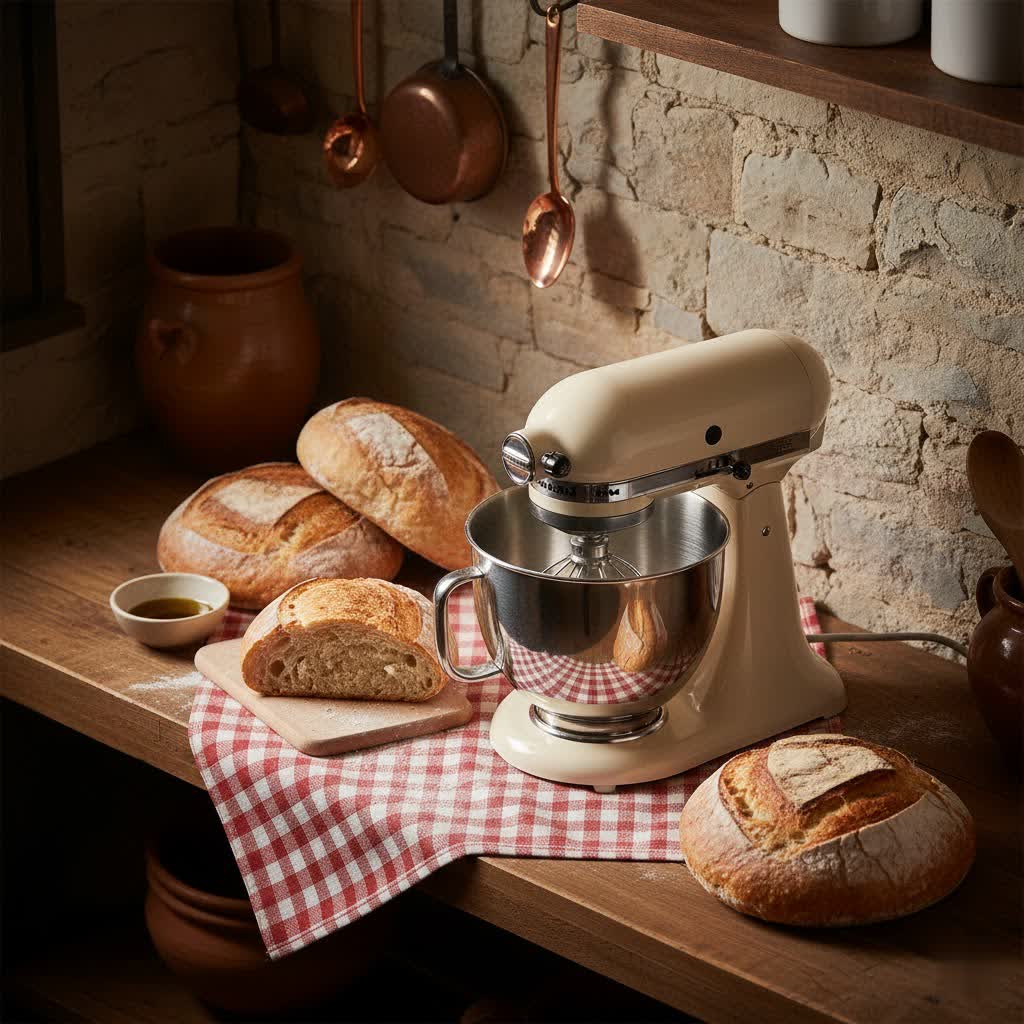
At its core, a commercial stand mixer is a heavy-duty appliance engineered for continuous, demanding operation in professional environments. Unlike their residential counterparts, which are designed for occasional use, commercial mixers are built to withstand the rigors of daily, often all-day, mixing, kneading, beating, and whipping large volumes of ingredients without overheating or breaking down. They are the backbone of many foodservice establishments, from small cafes to large-scale bakeries.
The evolution of commercial mixers has led to two primary types, each serving distinct purposes:
- Planetary Mixers: These are perhaps the most recognizable commercial stand mixers, functioning similarly to a home mixer but on a much grander scale. The agitator (beater, whisk, or dough hook) rotates on its axis while simultaneously orbiting the inside of a stationary bowl, ensuring thorough mixing of all ingredients. Planetary mixers are incredibly versatile, making them ideal for a wide range of tasks, including batters, creams, sauces, and lighter doughs. They are a staple in general bakeries, restaurants, and catering kitchens that handle a diverse menu.
- Spiral Mixers: Designed specifically for heavy, dense doughs like bread, pizza, and bagels, spiral mixers operate differently. In this design, the bowl itself rotates while a stationary spiral-shaped dough hook kneads the dough. This action mimics hand kneading, providing a gentler yet more powerful mix that develops gluten effectively without overworking the dough or generating excessive heat. Spiral mixers are the preferred choice for pizzerias, artisan bread bakeries, and any operation with high-volume dough production.
Why Your Business Needs a Professional-Grade Stand Mixer
The transition to a commercial stand mixer brings a multitude of benefits that directly impact your business’s bottom line and reputation.
Unmatched Efficiency and Productivity
|
Our Picks for the Best Stand Mixer in 2026
As an Amazon Associate I earn from qualifying purchases.
|
||
| Num | Product | Action |
|---|---|---|
| 1 | VIVOHOME Stand Mixer, 660W 10 Speed 6 Quart Tilt-Head Kitchen Electric Food Mixer with Beater, Dough Hook, Wire Whip and Egg Separator, Silver |

|
| 2 | VIVOHOME Stand Mixer, 660W 10 Speed 6 Quart Tilt-Head Kitchen Electric Food Mixer with Beater, Dough Hook, Wire Whip and Egg Separator, Blue |
|
| 3 | Kitchen in the box Stand Mixer,3.2Qt Small Electric Food Mixer,6 Speeds Portable Lightweight Kitchen Mixer for Daily Use with Egg Whisk,Dough Hook,Flat Beater (Blue) |
|
| 4 | Stand Mixer, Zuccie 4.8QT Kitchen Electric Stand Mixer, 380W Motor Power Food Mixer, 8+P-Speed Dough Mixer with Dough Hook, Wire Whip & Beater, Silver |
|
| 5 | VIVOHOME Stand Mixer, 660W 10 Speed 6 Quart Tilt-Head Kitchen Electric Food Mixer with Beater, Dough Hook, Wire Whip and Egg Separator, Red |
|
| 6 | Kitchen in the box Stand Mixer,3.2Qt Small Electric Food Mixer,6 Speeds Portable Lightweight Kitchen Mixer for Daily Use with Egg Whisk,Dough Hook,Flat Beater (Black) |
|
| 7 | VIVOHOME Stand Mixer, 660W 10 Speed 6 Quart Tilt-Head Kitchen Electric Food Mixer with Beater, Dough Hook, Wire Whip and Egg Separator, Pink |
|
| 8 | VIVOHOME Stand Mixer, 660W 10 Speed 6 Quart Tilt-Head Kitchen Electric Food Mixer with Beater, Dough Hook, Wire Whip and Egg Separator, Black |
|
| 9 | VIVOHOME Stand Mixer, 660W 10 Speed 6 Quart Tilt-Head Kitchen Electric Food Mixer with Beater, Dough Hook, Wire Whip and Egg Separator, Gray |
|
| 10 | VIVOHOME 3-in-1 Stand Mixer, 6 Quart Electric Tilt-Head Kitchen Mixer with Bowl, Multifunctional Food Mixer with Meat Grinder and Blender Attachments, Dough Hook, Beater, and Whisk, Red |
|
Time is a precious commodity in any commercial kitchen. A commercial stand mixer allows you to handle substantially larger batches of dough, batter, or other mixtures with unparalleled ease, drastically reducing preparation time. These robust machines are designed to operate continuously for hours, unlike smaller, household mixers that would quickly overheat or slow down under similar loads. This translates to increased output, allowing your team to focus on other critical culinary tasks and serve more customers without compromising quality.
Consistent Quality, Every Time
Consistency is the cornerstone of customer satisfaction and brand loyalty in the food industry. A professional-grade stand mixer ensures that every batch of dough or batter is mixed thoroughly and uniformly. This precision eliminates the risk of uneven textures, under-mixed ingredients, or variations in product quality. For delicate baked goods like cakes, bread, and pastries, where consistency can define the final product, a commercial mixer guarantees reliable results that keep customers coming back.
Superior Durability and Longevity
Commercial stand mixers are built for endurance. Unlike their residential counterparts, they are constructed from heavy-duty materials such as reinforced motors, all-metal gears, and stainless steel components. This robust construction is designed to withstand the relentless demands of a professional kitchen, day in and day out. While the initial investment might be higher, the durability of a commercial stand mixer ensures it will serve your business reliably for many years, making it a cost-effective choice in the long run by reducing replacement and repair costs.
Versatility and Menu Expansion
With the right attachments, a commercial stand mixer can become a multi-functional culinary powerhouse. Beyond basic mixing, these machines can whip cream and egg whites to perfection, knead tough doughs, and even power accessories like meat grinders, vegetable shredders, and pasta makers. This versatility not only streamlines existing processes but also opens up opportunities to expand your menu offerings without investing in numerous single-purpose appliances, fostering creativity and innovation in your kitchen.
Cost-Effectiveness in the Long Run
While the upfront cost of a commercial stand mixer is significant, the long-term savings and benefits quickly outweigh the initial investment. By automating labor-intensive mixing tasks, you reduce manual labor costs. The enhanced efficiency and consistent quality minimize waste due to poorly mixed batches. Furthermore, the durability of commercial units means fewer breakdowns and replacements compared to residential models, leading to significant savings on maintenance and new equipment over the lifespan of the machine.
Key Criteria for Choosing Your Ideal Commercial Stand Mixer
Selecting the right commercial stand mixer is a critical decision that impacts your kitchen’s productivity and product quality. Consider these essential factors to make an informed choice.
Capacity and Power
The size and strength of your mixer should align directly with your operation’s volume and the types of ingredients you frequently process.
- Matching Capacity to Volume: Commercial mixers are measured in quarts (or liters).
- Countertop Mixers (5-20 quarts): Ideal for smaller operations, specialized tasks, or kitchens with limited space. They typically handle smaller batches of batters, creams, and lighter doughs.
- Bench Mixers (20-40 quarts): The workhorses for medium-volume bakeries, restaurants, and catering services, capable of handling substantial batches without taking up floor space.
- Floor Mixers (40-140+ quarts): Built for high-volume production in large bakeries, pizzerias, or industrial kitchens, these require significant floor space and often dedicated electrical circuits.
- Motor Horsepower (HP) Explained: Horsepower indicates the raw power available for mixing. Lighter duty mixers might have 1/3 to 1/2 HP, suitable for batters and creams. For kneading heavy, stiff doughs like pizza or bread, you’ll need significantly more power, often ranging from 1.5 HP to 5 HP, especially for continuous operation. The lower the absorption ratio (AR) of your dough (meaning less water relative to flour), the more powerful the mixer needs to be to prevent motor strain.
Construction and Durability
Commercial mixers are an investment, and their construction determines their longevity and reliability.
- Materials: Stainless Steel and Gear-Driven Transmissions: Look for mixers with heavy-duty, all-metal construction, particularly stainless steel bowls and attachments for hygiene and rust resistance. Crucially, prioritize models with a gear-driven transmission. Unlike belt-driven systems, gear-driven transmissions use interlocking metal gears to deliver superior torque and durability, making them the standard for quality professional mixers designed for continuous, heavy loads.
- NSF Certification: Ensuring Food Safety and Hygiene: An NSF (National Sanitation Foundation) certification signifies that the mixer meets strict public health and safety standards. This includes criteria for material safety, cleanability, and product performance, which is vital for compliance in any commercial kitchen.
Speed Settings and Controls
The flexibility of your mixer’s speed settings impacts its versatility across different recipes.
- Variable Speeds for Precision: Many commercial planetary mixers offer multiple speed settings, from a gentle fold to a vigorous whip, providing precise control for various tasks. Some larger mixers may have fewer, fixed speeds that require stopping the machine to change gears.
- Manual vs. Digital Controls: Manual controls are often robust and straightforward. Digital controls, however, can offer programmable features, allowing for consistent mixing cycles, timers, and automatic shut-off, which enhances efficiency and reduces the risk of over-mixing.
Attachments and Versatility
The right attachments transform your mixer into a multi-purpose kitchen machine.
- Essential Attachments: Most commercial mixers come standard with a dough hook (for kneading), a wire whip (for aerating and whipping eggs, cream, or light batters), and a flat beater/paddle (for general mixing, creaming, and mashing).
- Expandable Functionality: Many high-end commercial mixers feature a power hub that accommodates specialized attachments like meat grinders, vegetable slicers/shredders, and pasta makers. This capability allows you to diversify your menu without investing in separate appliances.
Brand Reputation and Warranty
Choosing a reputable brand provides peace of mind through proven reliability and support.
- Leading Brands in Commercial Mixing: Brands like Hobart, Globe, KitchenAid Commercial, Waring, Kratos, and Berkel are well-established in the commercial kitchen industry, known for their durable and high-performing mixers. Researching specific models and their track record for reliability is essential.
- Importance of Warranty and After-Sales Support: A strong warranty protects your investment against manufacturing defects. Equally important is the availability of readily accessible parts and reliable technical support, ensuring minimal downtime should issues arise.
Comparing Popular Commercial Stand Mixer Models
To illustrate the variety, here’s a representative comparison of different types of commercial stand mixers you might encounter:
| Model Type | Capacity (Qt) | HP | Transmission | Key Features | Ideal Use | Price Range ($) |
|---|---|---|---|---|---|---|
| Small Planetary | 7-10 | 1/3 – 3/4 | Gear-Driven | Countertop, multiple speeds, attachments incl. | Small cafes, light duty, batters, creams | 600 – 1,500 |
| Medium Planetary | 20-30 | 1-2 | Gear-Driven | Benchtop, variable speeds, NSF certified | Medium bakeries, restaurants, varied mixing | 1,500 – 4,000 |
| Heavy-Duty Planetary | 40-60 | 2-3 | Gear-Driven | Floor model, robust construction, power hub | High-volume restaurants, large bakeries, heavy batter | 4,000 – 15,000 |
| Specialized Spiral | 50-100 (lbs dough) | 1.5-5 | Gear-Driven | Rotating bowl, dedicated dough hook, 2 speeds | Pizzerias, artisan bread, high-volume dough | 3,000 – 30,000+ |
Note: Prices and specific features can vary significantly by brand, retailer, and current promotions. This table provides a general overview for comparison.
Mastering Commercial Stand Mixer Usage and Maintenance
Proper usage and diligent maintenance are crucial for maximizing the lifespan and performance of your commercial stand mixer.
Safe Operation Practices
Always prioritize safety. Before cleaning or attaching/detaching accessories, always unplug the mixer. Ensure all safety guards are in place during operation to prevent accidents. Never operate the mixer with a damaged cord or if you hear unusual noises.
Daily Cleaning Routines
After each use, clean your mixer thoroughly. Detach the bowl, beaters, whisks, and dough hooks, and hand wash them with warm, soapy water. Dry them completely to prevent rust. Wipe down the mixer’s exterior, shaft, and attachment hub with a damp cloth, removing any food residue. Avoid abrasive cleaners, steel wool, or bleach, as these can damage surfaces and finishes.
Deep Cleaning and Inspection
While daily cleaning is essential, a periodic deep clean is also necessary. According to industry experts, “Regular deep cleaning, including occasional disassembly according to manufacturer instructions, is key to preventing buildup in hard-to-reach areas and ensures sanitary operation.” – Admin, Reviewerog.com. During these deep cleans (perhaps monthly or quarterly), inspect attachments for cracks or bends, check the gears and drive mechanism for unusual noises, and examine the electrical cord for fraying. Lubricate moving parts periodically with food-grade oil as recommended in your user manual, paying attention to areas like the planetary shaft, bowl rails, and height adjustors.
Troubleshooting Common Issues
Listen to your mixer. Unusual noises, excessive vibration, or overheating can indicate a problem. Consult your manual for troubleshooting steps. Often, issues can be resolved by ensuring the agitator height is correctly adjusted, checking for worn belts, or replenishing failing seals.
Storing Your Mixer
When not in use, store your commercial stand mixer in a cool, dry place. Avoid exposing it to direct sunlight or extreme temperatures, which can degrade materials over time. For larger floor models, ensure they are in a dedicated space with proper ventilation.
Where to Purchase Your Commercial Stand Mixer
Finding the right supplier is as important as choosing the right mixer.
Specialized Restaurant Supply Stores
These establishments offer not only a wide selection of commercial-grade equipment but also often provide expert advice, installation services, and financing options. Their staff typically has in-depth knowledge of different brands and models suitable for various business needs.
Online Commercial Kitchen Equipment Retailers
Websites specializing in commercial kitchen equipment offer competitive pricing and an extensive inventory. They can be a convenient option for comparing models and specifications from multiple brands. However, ensure the retailer has a robust return policy, reliable shipping, and accessible customer support.
Considerations for Online vs. In-Store Buying
In-store purchases allow you to physically inspect the mixer, discuss options with sales professionals, and sometimes arrange for demonstrations. Online purchases often provide more competitive pricing and a broader selection but require thorough research and a clear understanding of the product specifications.
Your Essential Commercial Stand Mixer Buying Guide Checklist
Before making your final purchase, run through this checklist to ensure you’ve considered all critical factors:
- Assess Your Volume Needs: What are your average batch sizes? Do you primarily need a countertop, bench, or floor model?
- Determine Primary Use: Is your main need heavy dough (spiral mixer) or a variety of tasks (planetary mixer)?
- Evaluate Available Space & Electrical Supply: Do you have enough counter or floor space, and does your electrical system support the mixer’s voltage and amperage requirements?
- Prioritize Durability & NSF Certification: Look for all-metal, gear-driven construction and NSF certification for hygiene and longevity.
- Consider Attachments & Versatility: Which standard attachments are included, and are there options for additional power hub accessories you might need?
- Set a Realistic Budget: Balance upfront cost with long-term value, including potential maintenance and energy consumption.
- Research Brands & Warranty: Choose a reputable manufacturer known for quality and ensure you understand the warranty and available support.
Frequently Asked Questions About Commercial Stand Mixers
What’s the main difference between a commercial and a home stand mixer?
Commercial stand mixers are built with more powerful motors, heavy-duty components like all-metal gears, and larger capacities (often 5 quarts up to 140+ quarts) to handle continuous, high-volume use in demanding professional kitchen environments without overheating or breaking down. Home mixers are designed for intermittent, lighter use.
How much capacity do I need for my business?
Your required capacity depends on your average batch size and daily volume. Small operations might start with a 7-10 quart countertop mixer, while busy bakeries might need 20-30 quart bench mixers, and high-production facilities may require 60+ quart floor models. Always estimate your maximum daily demand.
Are spiral mixers better than planetary mixers for bread dough?
For heavy, stiff doughs like bread, pizza, and bagels, spiral mixers are generally superior. Their unique rotating bowl and stationary hook action provide a gentler yet more powerful knead, developing gluten efficiently without overworking the dough, resulting in better texture and consistency. Planetary mixers are more versatile for a broader range of ingredients, including lighter doughs, batters, and creams.
What does NSF certification mean for a commercial mixer?
NSF certification indicates that the commercial mixer has been tested and meets stringent public health and safety standards established by the National Sanitation Foundation. This includes criteria for material safety, product design, cleanability, and performance, ensuring the equipment is safe for food contact and can be properly sanitized in a commercial setting.
How often should I lubricate my commercial stand mixer?
Lubrication schedules vary by model and usage, but typically, moving parts should be oiled periodically with food-grade lubricant as specified in the manufacturer’s manual. Some components might need monthly attention, while others only need it twice a year. Listening for squeaking noises can also indicate a need for lubrication.
