The world of baking is a captivating realm, filled with endless possibilities and delightful creations. For anyone serious about conquering complex doughs, whipping up massive batches, or simply elevating their culinary game, the stand mixer is an indispensable ally. Among the various types available, the bowl-lift stand mixer stands out as the undisputed workhorse, designed for durability, power, and high-performance tasks. If you’re looking to invest in a machine that can handle anything from dense bread dough to delicate meringues with unwavering stability, understanding the nuances of a bowl-lift model is key.
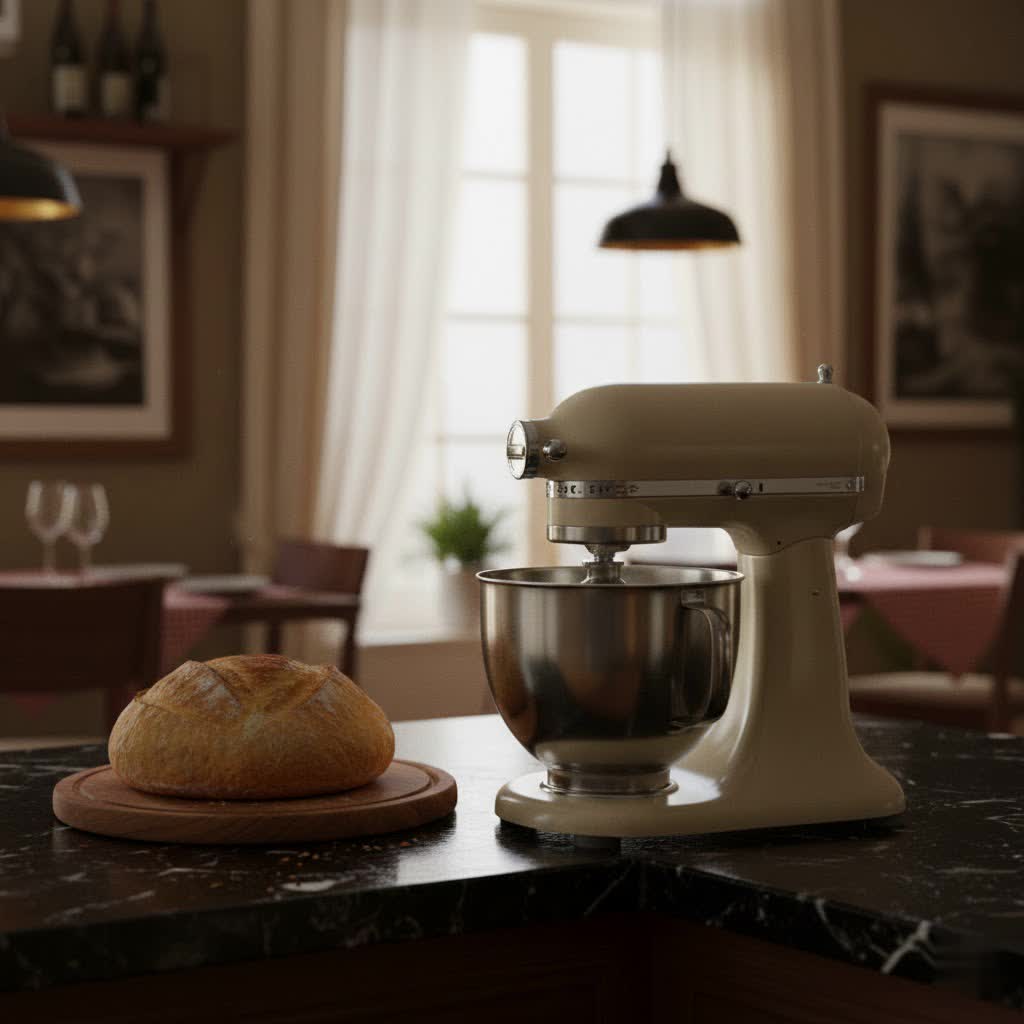
This comprehensive guide will demystify the bowl-lift stand mixer, exploring its unique design, significant advantages, essential buying criteria, and practical tips for usage and maintenance. Whether you’re a seasoned professional or an ambitious home baker, join us as we delve into the world of these powerful kitchen appliances to help you choose the perfect partner for your baking adventures.
Understanding the Bowl-Lift Stand Mixer
A bowl-lift stand mixer distinguishes itself from its tilt-head counterparts primarily through its unique mechanism for accessing the mixing bowl. Instead of the head tilting back, the bowl attaches to robust arms that are then raised and lowered by a lever. This design ensures the mixer’s head remains stationary, providing enhanced stability and power, especially when tackling challenging ingredients. The evolution of stand mixers has seen this design emerge as the preferred choice for tasks demanding greater strength and volume.
Bowl-Lift vs. Tilt-Head: Key Differences
|
Our Picks for the Best Stand Mixer in 2026
As an Amazon Associate I earn from qualifying purchases.
|
||
| Num | Product | Action |
|---|---|---|
| 1 | Stand Mixer, Zuccie 4.8QT Kitchen Electric Stand Mixer, 380W Motor Power Food Mixer, 8+P-Speed Dough Mixer with Dough Hook, Wire Whip & Beater, Silver |

|
| 2 | VIVOHOME Stand Mixer, 660W 10 Speed 6 Quart Tilt-Head Kitchen Electric Food Mixer with Beater, Dough Hook, Wire Whip and Egg Separator, Red |
|
| 3 | Kitchen in the box Stand Mixer,3.2Qt Small Electric Food Mixer,6 Speeds Portable Lightweight Kitchen Mixer for Daily Use with Egg Whisk,Dough Hook,Flat Beater (Black) |
|
| 4 | VIVOHOME Stand Mixer, 660W 10 Speed 6 Quart Tilt-Head Kitchen Electric Food Mixer with Beater, Dough Hook, Wire Whip and Egg Separator, Silver |
|
| 5 | Kitchen in the box Stand Mixer,3.2Qt Small Electric Food Mixer,6 Speeds Portable Lightweight Kitchen Mixer for Daily Use with Egg Whisk,Dough Hook,Flat Beater (Blue) |
|
| 6 | VIVOHOME Stand Mixer, 660W 10 Speed 6 Quart Tilt-Head Kitchen Electric Food Mixer with Beater, Dough Hook, Wire Whip and Egg Separator, Pink |
|
| 7 | VIVOHOME 3-in-1 Stand Mixer, 6 Quart Electric Tilt-Head Kitchen Mixer with Bowl, Multifunctional Food Mixer with Meat Grinder and Blender Attachments, Dough Hook, Beater, and Whisk, Red |
|
| 8 | VIVOHOME Stand Mixer, 660W 10 Speed 6 Quart Tilt-Head Kitchen Electric Food Mixer with Beater, Dough Hook, Wire Whip and Egg Separator, Blue |
|
| 9 | VIVOHOME Stand Mixer, 660W 10 Speed 6 Quart Tilt-Head Kitchen Electric Food Mixer with Beater, Dough Hook, Wire Whip and Egg Separator, Gray |
|
| 10 | VIVOHOME Stand Mixer, 660W 10 Speed 6 Quart Tilt-Head Kitchen Electric Food Mixer with Beater, Dough Hook, Wire Whip and Egg Separator, Black |
|
The choice between a bowl-lift and a tilt-head stand mixer often comes down to specific baking needs and kitchen setup. Bowl-lift models are inherently more stable, thanks to their broader bases and fixed heads. This stability is critical when mixing heavy, stiff doughs like sourdough or pizza, preventing the mixer from “walking” on the countertop or straining its motor. They also typically offer larger capacities, with bowls often ranging from 5 to 7 quarts or more, making them ideal for large-batch baking.
Conversely, tilt-head mixers, with their hinged design, offer easier access for adding ingredients or scraping the bowl. They tend to be more compact and lighter, suiting casual bakers or those with limited counter space. However, for sheer power, stability, and capacity for demanding recipes, the bowl-lift design consistently outperforms.
Why Choose a Bowl-Lift Stand Mixer? Advantages for Serious Bakers
For those whose baking ambitions extend beyond occasional cookies, a bowl-lift stand mixer offers a suite of benefits that elevate the entire culinary experience.
Unmatched Power and Stability
The fundamental advantage of a bowl-lift mixer lies in its robust power and exceptional stability. The stationary head and heavy-duty construction mean these mixers can effortlessly handle the densest bread doughs, stiff cookie batters, and large quantities of ingredients without wobbling or straining. Their powerful motors are specifically engineered for heavy loads, ensuring consistent performance and preventing motor burnout that lighter mixers might experience. This inherent stability also makes them quieter during strenuous tasks, providing a more pleasant baking environment.
Superior Capacity for Large Batches
If you frequently bake for large families, entertain often, or even consider small-scale commercial baking, the generous capacity of a bowl-lift mixer is a game-changer. With bowls commonly accommodating 6 to 8 quarts (or even more), you can prepare multiple batches of dough or batter simultaneously. This drastically reduces preparation time and effort, making it feasible to create large quantities of cakes, bread, or pastries in a single go.
Durability and Professional-Grade Construction
Bowl-lift stand mixers are built to last. Their heavier, all-metal construction often signals a professional-grade appliance designed for sustained, rigorous use. The components, including the motor and gear system, are typically more robust than those found in smaller tilt-head models, contributing to a longer lifespan even under demanding conditions. This makes them a wise, long-term investment for passionate bakers.
Versatility with Attachments
Like their tilt-head counterparts, bowl-lift stand mixers are incredibly versatile, compatible with a wide array of attachments that transform them into multi-functional kitchen machines. Beyond the standard dough hook, flat beater, and wire whip, you can often find attachments for making pasta, grinding meat, spiraling vegetables, or even making ice cream. The superior stability of a bowl-lift mixer can give it an edge when using attachments that require more power or put greater stress on the machine, ensuring efficient and effective operation across all tasks.
Key Criteria for Selecting Your Bowl-Lift Stand Mixer
Choosing the right bowl-lift stand mixer requires careful consideration of several factors to ensure it aligns perfectly with your baking habits and kitchen setup.
Motor Power and Capacity
The power of a stand mixer’s motor, measured in watts, directly correlates with its ability to handle heavy loads. For frequent bread making or thick doughs, look for models with higher wattage (e.g., 500 watts and above). Bowl capacity, typically measured in quarts or liters, is equally important. A 5-quart model might suit a larger family, while 7-quart or larger options are better for serious batch baking or dense bread doughs. Evaluate your typical recipe sizes to find the sweet spot.
Construction Material
The overall build quality impacts both durability and performance.
- Body: A metal construction, often die-cast metal, provides the necessary weight and stability, ensuring the mixer remains steady even when kneading heavy doughs. Plastic bodies, while lighter and more affordable, may not offer the same longevity or stability.
- Bowl: Stainless steel bowls are standard for bowl-lift mixers, prized for their durability, hygiene, and resistance to staining and odors. They are also often dishwasher-safe.
- Attachments: Look for sturdy attachments, typically made from coated aluminum or stainless steel, which are designed to withstand heavy use and are easy to clean.
Speed Settings and Control
A good bowl-lift mixer offers a range of speed settings, typically 10 or more, allowing for precise control over various mixing tasks, from gentle stirring to high-speed whipping. Features like a “soft start” can prevent ingredients from splattering when the mixer begins, and a pulse function can be useful for quick bursts of power. Analog controls (levers or dials) are common and offer intuitive operation.
Attachments and Accessories
While most bowl-lift mixers come with essential attachments (dough hook for kneading, flat beater for general mixing, and wire whip for aerating), consider the availability and variety of optional accessories. Some brands offer extensive ecosystems of attachments that can turn your mixer into a truly multi-functional appliance, from pasta makers to food grinders, greatly expanding your culinary repertoire.
Brand Reputation and Warranty
Investing in a bowl-lift stand mixer means investing in a significant kitchen appliance. Opt for reputable brands known for their quality, durability, and customer service. Brands like KitchenAid are synonymous with stand mixers for a reason. Check the warranty period and what it covers, as a good warranty provides peace of mind for such a substantial purchase.
Size and Countertop Footprint
Bowl-lift mixers are generally larger and heavier than tilt-head models. While their fixed head design might allow them to fit under certain kitchen cabinets, their overall footprint can be substantial. Measure your available countertop space and consider the mixer’s height, especially if you plan to store it under cabinets or move it frequently. Their weight often means they are best suited for a permanent spot on your counter.
Price and Value
Bowl-lift stand mixers typically represent a higher investment than tilt-head models, reflecting their superior power, capacity, and durability. Consider this purchase as a long-term investment in your baking passion. While initial cost is a factor, weigh it against the mixer’s performance, longevity, and the joy it brings to your kitchen. Look out for sales and promotions from trusted retailers.
Top Bowl-Lift Stand Mixer Models on the Market
While specific models and their features can vary, certain bowl-lift stand mixers consistently receive high praise for their performance, durability, and user satisfaction.
The KitchenAid Pro Line Series, particularly models like the 7-Quart Bowl-Lift Stand Mixer, is a perennial favorite among serious bakers. Known for its robust motor (often 500 watts or more), large capacity, and all-metal construction, it’s designed to handle heavy-duty tasks with ease. These models offer exceptional stability, making them ideal for kneading large batches of bread dough or mixing dense batters without strain. They also boast a wide range of compatible attachments, expanding their versatility.
Other notable brands also offer excellent bowl-lift options. The GE Profile Smart Mixer, for instance, has gained recognition for its stability and integrated scale system, offering precise measurements directly in the bowl. Kenwood offers powerful Chef models that cater to diverse baking needs, often featuring robust motors and large capacities suitable for professional use. Brands like Ankarsrum take a different approach with a unique rotating bowl design, especially favored by bread bakers for its gentle yet effective kneading action. Each of these brands brings its unique strengths, from smart features to specialized mixing actions, catering to different preferences and needs within the bowl-lift category.
Mastering Your Bowl-Lift Stand Mixer: Usage and Maintenance Tips
To maximize the performance and lifespan of your bowl-lift stand mixer, proper usage and diligent maintenance are crucial.
First Use and Assembly
Before first use, ensure the mixer is unplugged and the speed control is set to “OFF.” To attach the bowl, place the bowl lift handle in the down position, fit the bowl arms over the locating pins, and gently press down on the back of the bowl until it snaps into place. For attachments, simply hook the desired beater over the pin on the shaft and turn it to the right to lock. To raise the bowl, rotate the handle to the straight-up position. Always ensure the bowl is in the raised, locked position before mixing.
Safe Operation
Safety is paramount. Always ensure the mixer is unplugged before attaching or removing the bowl or any attachments. Avoid scraping the bowl while the stand mixer is operating; always turn the machine off first. The mixer is designed for thorough mixing, so frequent scraping isn’t often necessary. Under heavy loads or extended mixing times, the mixer’s top might become warm to the touch, which is normal and indicates the motor is working hard.
Optimal Mixing Techniques
Experiment with different speed settings to find what works best for various tasks. Lower speeds are ideal for starting mixtures or kneading heavy doughs, preventing flour clouds. Medium speeds are great for creaming butter and sugar, while high speeds are perfect for whipping egg whites or cream. Familiarize yourself with each attachment’s purpose: the dough hook for yeast doughs, the flat beater for batters and cookie dough, and the wire whip for aerating.
Cleaning and Care
One of the conveniences of modern bowl-lift mixers is ease of cleaning. Most stainless steel bowls and standard attachments (dough hook, flat beater, wire whip) are dishwasher safe. For the mixer body, a quick wipe with a damp cloth after each use is usually sufficient to keep it looking pristine. Ensure no liquid seeps into the motor housing. If your beater is scraping the bottom of the bowl, you may need to adjust the beater-to-bowl clearance, a simple procedure usually outlined in your user manual.
Troubleshooting Common Issues
Common issues typically involve beater clearance or motor sounds. If the beater is too close or too far from the bowl, consult your manual for adjustment instructions; this often involves a simple screw adjustment. Unusual noises or excessive shaking often indicate an overloaded motor or an uneven countertop. Always ensure the mixer is on a stable, flat surface and avoid exceeding its stated capacity for ingredients.
Your Comprehensive Buying Guide to Bowl-Lift Stand Mixers
Making the final decision on a bowl-lift stand mixer can feel daunting, but a structured approach ensures you pick the perfect model for your needs.
Assess Your Baking Needs
Before looking at models, take stock of your baking habits. How often do you bake? What types of recipes do you make most frequently? Do you regularly prepare large quantities of bread dough or dense batters? Your answers will dictate the necessary power, capacity, and features you should prioritize. If you’re consistently making heavy doughs or multiple batches, a bowl-lift mixer is likely the superior choice.
Set Your Budget
Bowl-lift stand mixers are an investment. Establish a realistic budget, but remember that a higher price often correlates with increased power, durability, and advanced features. While it might seem like a splurge, a quality bowl-lift mixer will last for many years, proving its value over time. Don’t shy away from investing in a machine that meets your demands, as it will save you frustration and potential replacement costs down the line.
Compare Features and Specifications
Create a checklist of your must-have features based on your needs: motor wattage, bowl capacity, construction materials, number of speed settings, and included attachments. Prioritize power and stability for heavy tasks. Consider whether smart features or unique accessories are important to you.
Read Reviews and Expert Opinions
Leverage the experiences of other users and culinary experts. Online reviews, product comparison sites, and baking forums can provide invaluable insights into real-world performance, durability, and user satisfaction for specific models. Look for consistent feedback regarding the mixer’s handling of heavy doughs and large batches.
Where to Purchase
Reputable retailers, both online and in brick-and-mortar stores, are the best places to purchase a bowl-lift stand mixer. Large appliance stores often have display models you can see and touch, while online retailers might offer competitive pricing and a wider selection. Always verify the seller’s return policy and warranty support before making a purchase.
Frequently Asked Questions About Bowl-Lift Stand Mixers
What is the main advantage of a bowl-lift stand mixer?
The main advantage of a bowl-lift stand mixer is its superior power and stability, making it ideal for kneading heavy, stiff doughs and mixing large batches of ingredients without straining the motor or moving on the countertop.
Can a bowl-lift mixer fit under kitchen cabinets?
While bowl-lift mixers are generally taller than tilt-head models, their fixed head design means they maintain a consistent height. This can sometimes allow them to tuck more easily under certain kitchen cabinets, though their larger overall footprint may still require a dedicated space.
Are bowl-lift mixers harder to use than tilt-head models?
Bowl-lift mixers are not necessarily harder to use, but they have a different operating mechanism. Instead of tilting the head, you use a lever to raise and lower the bowl. Some users find tilt-head mixers slightly easier for quick ingredient additions or scraping, but both designs are straightforward once accustomed to them.
What kind of recipes are best for a bowl-lift stand mixer?
Bowl-lift stand mixers excel at recipes requiring significant power and capacity. They are best for making large batches of bread dough, pizza dough, stiff cookie batters, heavy cake mixes, and anything that benefits from their robust motor and stable mixing action.
How do I clean my bowl-lift stand mixer?
Most stainless steel bowls and standard attachments (dough hook, flat beater, wire whip) from bowl-lift mixers are dishwasher safe. For the main body of the mixer, simply wipe it down with a damp cloth, ensuring no liquids enter the motor housing.
Conclusion
The bowl-lift stand mixer is more than just a kitchen appliance; it’s a testament to the art of baking, offering unparalleled power, stability, and capacity for those who demand the best. As a technician with over a decade of hands-on experience, I can attest to their robust engineering and transformative impact on the baking process.
Choosing a bowl-lift model means investing in a durable, professional-grade machine capable of handling the most challenging recipes and largest batches with unwavering performance. It frees your hands, saves your energy, and ensures consistent, high-quality results every time. By carefully considering your baking needs, exploring the key features, and selecting a reputable brand, you can find a bowl-lift stand mixer that will be a cherished companion in your kitchen for years to come.
Are you ready to elevate your baking and experience the power of a bowl-lift stand mixer?
