Are you an avid baker, a casual cook, or somewhere in between? A stand mixer can transform your kitchen experience, saving time and effort on numerous tasks. From kneading dough to whipping delicate meringues, this versatile appliance is a cornerstone for any culinary enthusiast. This comprehensive guide will navigate you through the world of stand mixers, helping you understand their features, benefits, and how to choose the model that best suits your needs.
Overview of Stand Mixers
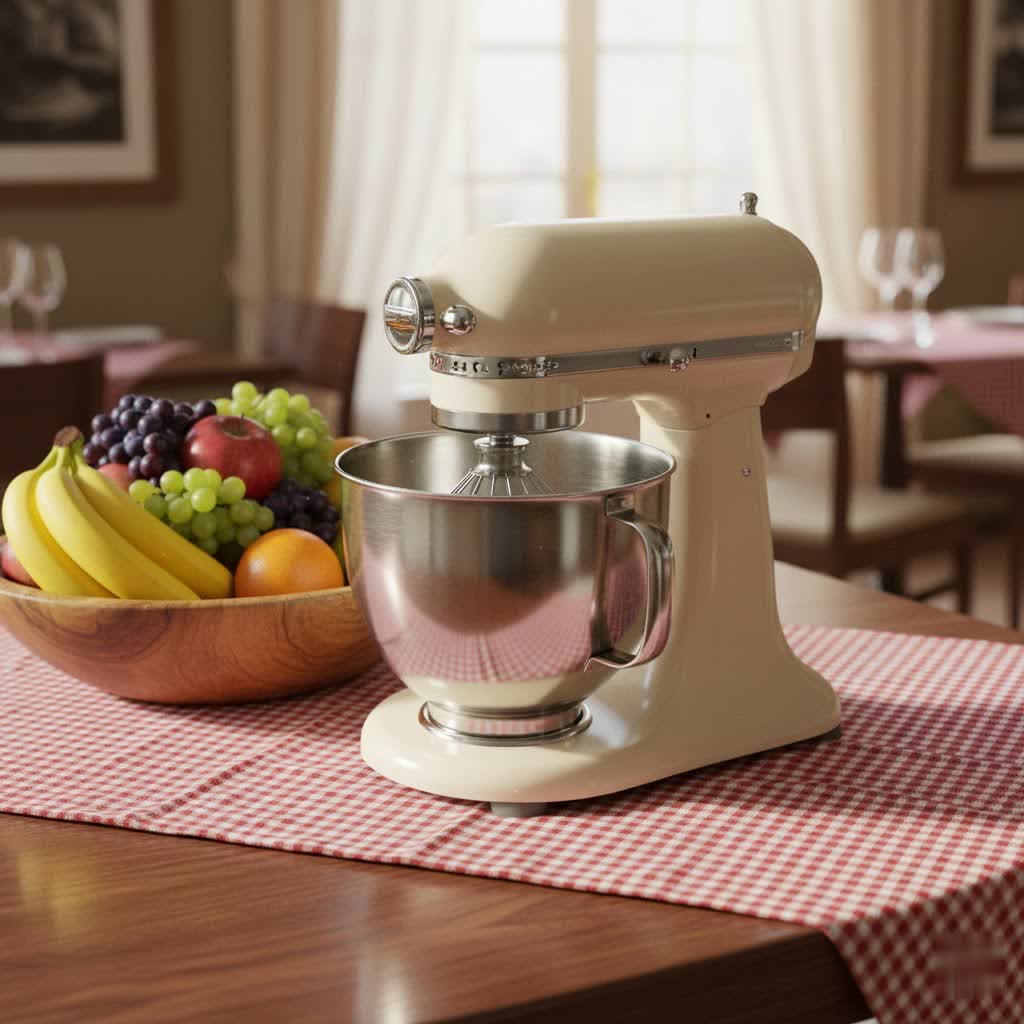
A stand mixer is a countertop appliance that uses a motor to power various attachments for mixing, whipping, or kneading ingredients in a stationary bowl. These appliances are significantly more powerful and versatile than hand mixers, automating repetitive and labor-intensive tasks.
The history of stand mixers dates back to the early 20th century, with Herbert Johnson inventing the first commercial stand mixer in 1908. KitchenAid later introduced the first home stand mixer, the “H-5,” in 1919, revolutionizing home baking. Over the decades, stand mixers have evolved, incorporating new technologies, designs, and attachments to cater to a wider range of culinary applications.
Modern stand mixers primarily come in two popular types:
- Tilt-head mixers: The motor head tilts up, allowing easy access to the bowl and attachments. This style is common for consumer-level mixers and is often praised for its ease of use when adding ingredients or scraping the bowl.
- Bowl-lift mixers: The motor head remains stationary, and the bowl is securely lifted into place beneath the attachments. This design is generally found in larger capacity and more powerful models, often favored for heavy-duty tasks like kneading stiff doughs due to its enhanced stability.
- Bottom-drive mixers: A less common style, where the motor is in the base and rotates the bowl around stationary attachments, such as the Ankarsrum Original Kitchen Machine, which excels at kneading dough.
Benefits of Using a Stand Mixer
Investing in a stand mixer offers a multitude of advantages that can significantly enhance your cooking and baking efficiency:
- Time and effort saving: Stand mixers automate arduous tasks like kneading dough or creaming butter and sugar, freeing up your hands and saving considerable time and physical effort.
- Versatility in food preparation: Beyond basic mixing, many stand mixers offer a wide array of optional attachments that can transform them into meat grinders, pasta makers, spiralizers, ice cream makers, and even juicers, greatly expanding their utility in the kitchen.
- Ensures consistent quality and even mixtures: The planetary mixing action, where the attachment spins in one direction while rotating in another, ensures ingredients are thoroughly and evenly combined, leading to more consistent results in your recipes.
- Ease of use and cleaning: Most stand mixers feature intuitive controls for speed adjustment and straightforward mechanisms for attaching and detaching bowls and accessories. Many bowls and attachments are dishwasher-safe, simplifying cleanup.
Criteria for Choosing a Stand Mixer
Selecting the right stand mixer involves considering several key factors to match the appliance to your specific needs and kitchen setup.
Power and Capacity
The motor’s wattage indicates its power, while capacity refers to the bowl size.
- Assessing usage needs: For a small household or occasional baking, a 3.5 to 5-quart capacity with 250-325 watts is usually sufficient for tasks like whipping cream or mixing cake batter. For frequent bakers, larger families, or those tackling heavy doughs, a 6 to 8-quart mixer with 500-600 watts or more is recommended for its increased capacity and power.
- Comparing power levels: Higher wattage generally means the mixer can handle thicker, denser mixtures with less strain and noise. Mixers designed for bread baking, like the Ankarsrum, often feature powerful motors.
- Choosing the right capacity: A 5-quart bowl is versatile enough for a half-sheet pan cake or two dozen cookies. Larger bowls are ideal for batch baking but may struggle with very small quantities unless the mixer is specifically designed to handle them.
|
Our Picks for the Best Stand Mixer in 2026
As an Amazon Associate I earn from qualifying purchases.
|
||
| Num | Product | Action |
|---|---|---|
| 1 | Kitchen in the box Stand Mixer,3.2Qt Small Electric Food Mixer,6 Speeds Portable Lightweight Kitchen Mixer for Daily Use with Egg Whisk,Dough Hook,Flat Beater (Black) |

|
| 2 | VIVOHOME Stand Mixer, 660W 10 Speed 6 Quart Tilt-Head Kitchen Electric Food Mixer with Beater, Dough Hook, Wire Whip and Egg Separator, Gray |
|
| 3 | VIVOHOME 3-in-1 Stand Mixer, 6 Quart Electric Tilt-Head Kitchen Mixer with Bowl, Multifunctional Food Mixer with Meat Grinder and Blender Attachments, Dough Hook, Beater, and Whisk, Red |
|
| 4 | Stand Mixer, Zuccie 4.8QT Kitchen Electric Stand Mixer, 380W Motor Power Food Mixer, 8+P-Speed Dough Mixer with Dough Hook, Wire Whip & Beater, Silver |
|
| 5 | VIVOHOME Stand Mixer, 660W 10 Speed 6 Quart Tilt-Head Kitchen Electric Food Mixer with Beater, Dough Hook, Wire Whip and Egg Separator, Pink |
|
| 6 | VIVOHOME Stand Mixer, 660W 10 Speed 6 Quart Tilt-Head Kitchen Electric Food Mixer with Beater, Dough Hook, Wire Whip and Egg Separator, Black |
|
| 7 | VIVOHOME Stand Mixer, 660W 10 Speed 6 Quart Tilt-Head Kitchen Electric Food Mixer with Beater, Dough Hook, Wire Whip and Egg Separator, Blue |
|
| 8 | VIVOHOME Stand Mixer, 660W 10 Speed 6 Quart Tilt-Head Kitchen Electric Food Mixer with Beater, Dough Hook, Wire Whip and Egg Separator, Red |
|
| 9 | VIVOHOME Stand Mixer, 660W 10 Speed 6 Quart Tilt-Head Kitchen Electric Food Mixer with Beater, Dough Hook, Wire Whip and Egg Separator, Silver |
|
| 10 | Kitchen in the box Stand Mixer,3.2Qt Small Electric Food Mixer,6 Speeds Portable Lightweight Kitchen Mixer for Daily Use with Egg Whisk,Dough Hook,Flat Beater (Blue) |
|
Material
The construction materials of a stand mixer affect its durability, weight, and aesthetic.
- Body material: Stand mixer bodies can be made from durable plastic or metal. Metal bodies, particularly die-cast zinc, offer greater stability and longevity, though they tend to be heavier.
- Mixing bowl material: Stainless steel bowls are common for their durability, non-reactivity, and often being dishwasher-safe. Glass bowls offer visibility of the mixing process but are heavier and more fragile. Some unique options, like wooden bowls, offer aesthetic appeal but require specific care.
- Attachments: Most stand mixers come with a whisk, a flat beater, and a dough hook. These can be made from coated aluminum, burnished aluminum, or stainless steel. Stainless steel attachments are highly durable and generally dishwasher-safe, while coated attachments might chip over time. Some models offer specialized attachments like flex-edge beaters that scrape the bowl sides as they mix, reducing the need for manual scraping.
Features
Modern stand mixers boast various features that enhance usability and functionality.
- Speed settings and functions: Most mixers offer multiple speed settings, often 6 to 12, allowing precise control for different tasks. Pulse functions are useful for quick bursts of power or for gradually incorporating ingredients. Some advanced models include dedicated settings for kneading, beating, or whisking.
- Timers and automatic shut-off: Built-in timers allow for precise mixing durations, and automatic shut-off features can prevent overmixing or motor strain.
- Integrated scales: Some models, like the GE Profile Smart Mixer or Bosch Series 6, come with integrated scales, allowing you to weigh ingredients directly in the bowl, which streamlines the baking process.
- Additional accessories: Beyond the standard attachments, many brands offer a wide ecosystem of separately sold accessories, including pasta makers, meat grinders, vegetable slicers, and ice cream makers, greatly extending the mixer’s capabilities.
Brand and Price
The market offers a wide range of stand mixers, from budget-friendly options to high-end professional-grade machines.
- Reputable brands: KitchenAid is arguably the most iconic and popular brand, known for its durable and versatile tilt-head and bowl-lift models. Other highly-regarded brands include Ankarsrum (especially for bread dough), Breville, Kenwood, Smeg (for style), and Bosch.
- Price vs. quality: Generally, higher-priced mixers offer more powerful motors, greater stability, premium materials, and additional features or attachments. However, there are excellent mid-range and budget options that provide solid performance for everyday use. Investing in a quality stand mixer means it can last for a decade or more with proper care.
- Promotions and warranty: Always check for promotions, sales, and warranty periods. A good warranty reflects the manufacturer’s confidence in their product’s durability.
Comparison of Popular Stand Mixer Models
To illustrate the diversity, here’s a general comparison of some popular stand mixer types and models:
| Model Type/Brand (Example) | Power (Watts) | Capacity (Quarts/Liters) | Key Features & Pros | Cons | Ideal For |
|---|---|---|---|---|---|
| KitchenAid Artisan | 325 | 5 | Iconic design, versatile, wide range of colors, many attachments available, tilt-head design for easy access. | Can be loud and wobble at high speeds, less powerful for very stiff doughs. | Everyday bakers, home cooks, those valuing aesthetics and versatility. |
| KitchenAid 7-Quart Bowl-Lift | 500-650 | 7 | Powerful, stable for heavy loads, handles large batches, durable construction, bowl-lift mechanism. | Heavy, takes up significant counter space, more expensive. | Serious bakers, large families, frequent bread makers, high-volume cooking. |
| Ankarsrum Original | 600-1500 | 7.4 (7L) | Unique bottom-drive design, exceptional for bread dough, very stable, quiet operation, multiple bowls/attachments included. | High price, learning curve due to unique design, attachments might not scrape bowl perfectly for light batters. | Dedicated bread bakers, those seeking commercial-grade performance, users with specific dough-kneading needs. |
| KitchenAid Artisan Mini | 250 | 3.5 | Compact, lighter, small footprint, quiet, compatible with most attachments. | Small capacity, struggles with large batches or very stiff dough. | Small kitchens, individuals or couples, occasional bakers, light mixing tasks. |
| Breville Bakery Chef | 550 | 5 | Quiet, powerful, efficient presets, built-in timer, bowl light, includes glass and stainless steel bowls. | Limited optional attachments compared to KitchenAid. | Bakers seeking advanced features, quiet operation, consistent results, and built-in timers. |
| SMEG Tilt-Head | 600 | 5 (4.8L) | Stylish retro design, powerful motor, good performance for batters and cream. | Loud operation, controls on top can be awkward, pricier than some alternatives. | Style-conscious bakers, those looking for a design statement, good for general baking tasks. |
This table serves as a general guide. It’s crucial to consult detailed reviews and specific product specifications before making a purchase.
How to Use and Maintain Your Stand Mixer
Proper usage and maintenance are key to maximizing your stand mixer’s performance and longevity.
Safe and Effective Use
- Always unplug before assembling, disassembling, or cleaning.
- Start at a low speed when combining ingredients, especially dry ones, to prevent splattering, then gradually increase to the desired speed.
- Do not overfill the bowl; leave enough space for ingredients to mix properly.
- Avoid overtaxing the motor: If you hear the motor straining or feel it getting hot, reduce the speed, lighten the load, or give the mixer a short break.
- Know your attachments:
- Flat beater (paddle attachment): Ideal for creaming butter and sugar, mixing batters for cakes, cookies, and quick breads, and even mashing potatoes.
- Wire whisk (balloon whisk): Perfect for aerating ingredients, such as whipping egg whites for meringues, making whipped cream, or whisking light batters.
- Dough hook: Designed for kneading yeast doughs like bread, pizza, and pasta. Use at a low speed for about 8-10 minutes until the dough is smooth and elastic and pulls away from the sides of the bowl.
Cleaning and Storage
Regular cleaning after each use will keep your stand mixer in top condition:
- Unplug the mixer from the power outlet before cleaning.
- Wash attachments and bowl: Most stainless steel bowls, flat beaters, and dough hooks are dishwasher-safe (top rack recommended). Wire whips and burnished attachments often require handwashing with warm, soapy water and immediate drying to prevent tarnishing.
- Wipe down the mixer body: Use a soft, damp cloth to wipe the exterior of the stand mixer. Avoid abrasive cleaners or excessive water, especially near ventilation ports or control panels, as moisture can damage the motor.
- Clean crevices: Use a small brush, Q-tip, or toothpick to remove any accumulated flour, batter, or grime from the beater shaft, speed control strip, bowl clamp plate, and ventilation shafts.
- Clean underneath: Lay the mixer on its side to wipe down the underside and clean the foot pads.
- Store properly: Store attachments in the bowl, perhaps with a tea towel to prevent scratches. Ensure the mixer and all its parts are completely dry before storage to prevent rust or mold.
Common Issues and Troubleshooting
- Wobbling or walking: If your mixer wobbles, especially with heavy doughs, try reducing the speed. Ensure it’s on a stable, flat surface. Heavier models tend to be more stable.
- Ingredients not mixing evenly: Ensure the attachment reaches close enough to the bottom and sides of the bowl. Some mixers may require occasional scraping down of the bowl sides.
- Motor straining or overheating: This often indicates the motor is overtaxed. Reduce the load or speed, or give the mixer a break.
- Leaking oil: While rare, older KitchenAid models can sometimes leak oil. This is typically due to dried-out grease and can often be serviced by replacing the grease.
Where to Buy a Stand Mixer
Stand mixers are widely available, both online and in physical stores.
- Reputable electronics stores: Major appliance retailers like Williams Sonoma, Target, and Crate & Barrel often carry a selection of stand mixers, including popular brands like KitchenAid, and may have display models to examine.
- Online marketplaces: Amazon, Wayfair, and the official websites of brands like KitchenAid and Breville offer a vast array of models, competitive pricing, and customer reviews.
- Tips for online purchases:
- Read customer reviews carefully, paying attention to comments on durability and performance with specific tasks.
- Compare prices across different retailers.
- Check the seller’s return policy and warranty information.
- Look for clear product descriptions and specifications.
Buying Guide
Choosing the right stand mixer involves a balance of your culinary aspirations, budget, and kitchen space.
- Assess your primary needs:
- Occasional baker (light use): A compact, tilt-head model with a 3.5-5 quart capacity (e.g., KitchenAid Artisan Mini or Hamilton Beach Classic) is often sufficient.
- Regular baker (varied tasks): A 5-6 quart tilt-head or bowl-lift mixer from a reputable brand like KitchenAid Artisan offers versatility and good power.
- Serious baker (heavy doughs, large batches): Consider a 7-quart bowl-lift model (e.g., KitchenAid 7-Quart Bowl-Lift) or a specialized bread mixer like the Ankarsrum for maximum power and stability.
- Consider your budget: Stand mixers range from under $100 to over $800. Define your budget range and look for the best features and durability within that bracket.
- Kitchen space: Measure your countertop and cabinet space. Remember to account for the height needed when a tilt-head mixer is fully open. Heavy, powerful mixers may be best left on the counter, so consider their aesthetic appeal.
- Desired features: Prioritize features like integrated scales, timers, or a wide range of optional attachments if they are important to your cooking style.
Questions to ask before buying:
- What types of recipes will I make most frequently? (e.g., bread, cakes, meringues)
- How much counter space do I have available?
- What is my budget, and am I willing to invest in a more durable, feature-rich model?
- Are there any specific attachments I know I’ll want to use?
> “A quality stand mixer is more than just an appliance; it’s an investment in your culinary journey, making every bake and dish more enjoyable and achievable.”
Conclusion
A stand mixer is an indispensable tool for anyone passionate about cooking and baking, transforming strenuous tasks into effortless endeavors. By carefully considering factors such as power, capacity, materials, features, and brand reputation, you can confidently choose a stand mixer that perfectly aligns with your culinary ambitions and kitchen environment. With the right model, you’ll unlock a world of culinary possibilities, creating delectable dishes with ease and precision.
What culinary masterpieces will you create with your new stand mixer?
Frequently Asked Questions
What is the primary difference between tilt-head and bowl-lift stand mixers?
Tilt-head mixers have a hinged head that lifts for bowl access and are common for smaller capacities, while bowl-lift mixers have a stationary head and the bowl is raised or lowered, offering greater stability for larger capacities and heavier doughs.
How much power (wattage) do I need in a stand mixer?
For light to moderate use, 250-325 watts is often sufficient. For frequent baking, stiff doughs, or large batches, a motor of 500 watts or more is recommended to ensure efficient mixing without straining the appliance.
Can a stand mixer knead bread dough effectively?
Yes, most stand mixers come with a dough hook attachment specifically designed for kneading bread dough. It automates the process, creating smooth and elastic dough without the manual effort, though a lower speed is recommended to prevent wobbling.
Are stand mixer attachments universal across brands?
No, attachments are typically specific to the brand and sometimes even to particular models within a brand. While some third-party attachments might exist for popular brands like KitchenAid, it’s essential to verify compatibility before purchasing.
How long can I expect a good stand mixer to last?
With proper care and maintenance, a high-quality stand mixer, especially models from reputable brands like KitchenAid, can last 10 to 20 years or even longer, making it a worthwhile long-term investment.
Is it worth buying a stand mixer with integrated scales?
Integrated scales offer convenience by allowing direct weighing of ingredients in the bowl, reducing the need for separate measuring tools. This feature can be particularly useful for precise baking and minimizing cleanup, though it often comes at a higher price point.
