Embarking on a baking journey, or perhaps looking to upgrade your kitchen arsenal? The electric stand mixer is an indispensable tool that transforms tedious tasks into effortless culinary creation. Forget the arm aches from hand-whipping and the struggle of kneading dough; a stand mixer elevates your baking, making it more efficient and enjoyable. This comprehensive guide will walk you through everything you need to know to select the ideal electric stand mixer that aligns perfectly with your baking aspirations and kitchen needs.
Overview of Electric Stand Mixers
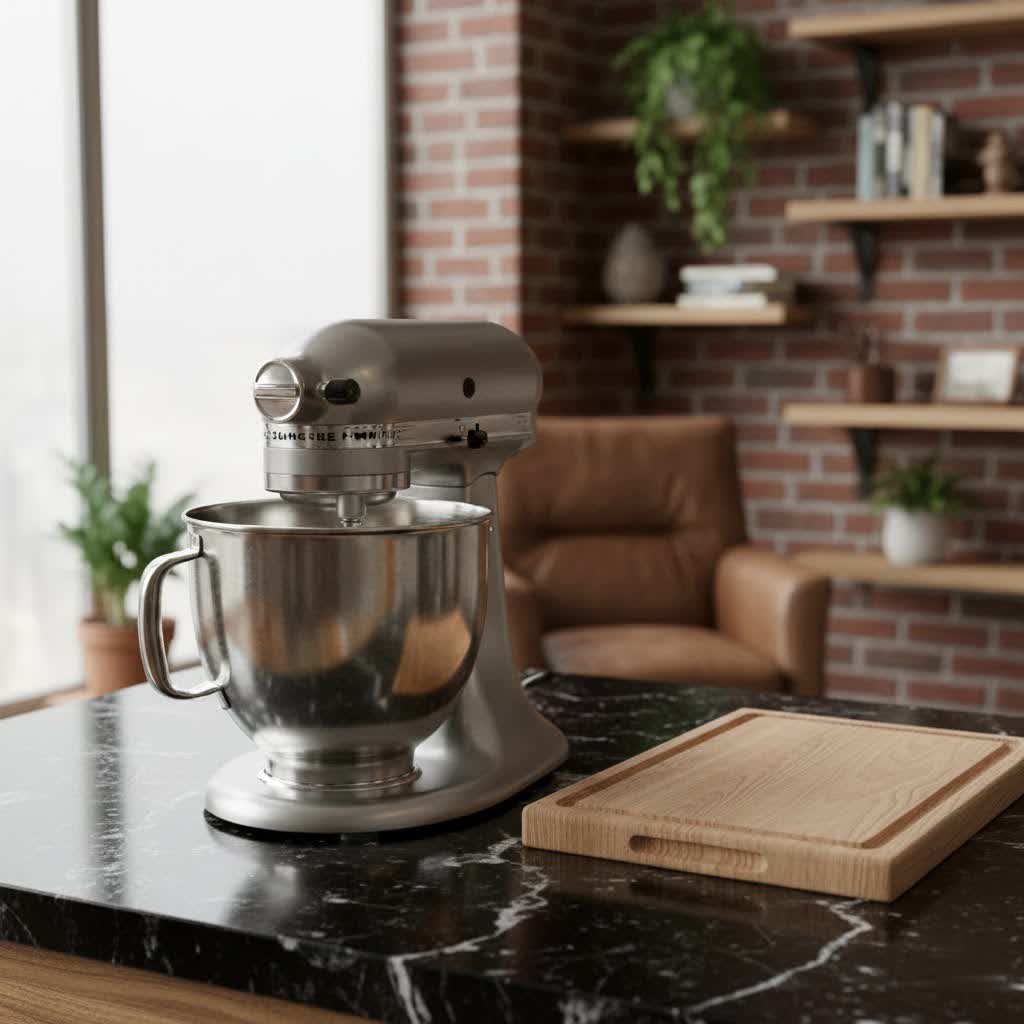
At its core, an electric stand mixer is a kitchen appliance designed to automate repetitive mixing, whisking, beating, and kneading tasks. It features a powerful motorized base, a head that holds various attachments, and a bowl that locks securely beneath them. While a hand mixer offers portability, a stand mixer boasts a more robust motor and greater capabilities, making it significantly more effective for substantial quantities and tougher consistencies.
The concept of the stand mixer dates back to 1908 when Herbert Johnston, an engineer for the Hobart Manufacturing Company, invented the first electric standing mixer. His innovation, inspired by observing a baker, led to a 20-gallon mixer becoming standard in large bakeries by 1915. Hobart later introduced the iconic KitchenAid Food Preparer for home use in 1919, forever changing home baking.
Modern electric stand mixers primarily come in two designs:
- Tilt-Head Mixers: These models feature a hinged motor head that tilts back, providing easy access to the bowl and attachments. They are generally compact and suitable for everyday mixing and smaller to mid-range capacities.
- Bowl-Lift Mixers: In this design, the motor head remains stationary while the bowl is securely locked onto a frame and lifted into place by a lever. This design offers enhanced stability, making it ideal for larger capacities and handling dense doughs with less wobble. Originally prevalent in commercial settings, bowl-lift mixers are now popular for high-volume home baking.
- Planetary Mixing Action: Most stand mixers utilize “planetary action,” where the beater rotates in one direction while orbiting the bowl in the opposite direction. This ensures uniform mixing by reaching all areas of the bowl.
- Spiral Mixers: A specialized type, spiral mixers are primarily designed for dough. A spiral-shaped agitator counter-rotates while the powered bowl spins, allowing for faster and more thorough dough mixing with less friction, which prevents the dough from overheating.
Benefits of Using an Electric Stand Mixer
Integrating an electric stand mixer into your kitchen brings a multitude of advantages that go beyond just saving time.
One of the most significant benefits is time and effort savings. A stand mixer takes over the laborious tasks of hand-mixing, allowing you to focus on other aspects of your recipe or kitchen work. This hands-free operation is invaluable for busy home cooks and serious bakers alike.
Electric stand mixers offer incredible versatility in food preparation. Beyond cakes and cookies, they excel at beating eggs, whipping cream to perfection, and even shredding cooked meats. With the right attachments, your stand mixer can transform into a multi-functional appliance, capable of making pasta, grinding meat, or even churning ice cream.
They also ensure consistent and high-quality results. The steady power and controlled speeds of an electric stand mixer guarantee that your ingredients are uniformly incorporated, leading to perfectly aerated meringues, smooth batters, and well-developed bread dough every time. This consistency is difficult to achieve with manual methods.
Finally, modern stand mixers are designed for ease of use and cleaning. Features like intuitive speed adjustments, easy-to-attach bowls, and dishwasher-safe components simplify the entire process, from prep to cleanup.
Key Criteria for Choosing an Electric Stand Mixer
Selecting the best electric stand mixer requires careful consideration of several factors to ensure it meets your specific needs and budget.
Power and Wattage
|
Our Picks for the Best Stand Mixer in 2026
As an Amazon Associate I earn from qualifying purchases.
|
||
| Num | Product | Action |
|---|---|---|
| 1 | Kitchen in the box Stand Mixer,3.2Qt Small Electric Food Mixer,6 Speeds Portable Lightweight Kitchen Mixer for Daily Use with Egg Whisk,Dough Hook,Flat Beater (Blue) |

|
| 2 | VIVOHOME Stand Mixer, 660W 10 Speed 6 Quart Tilt-Head Kitchen Electric Food Mixer with Beater, Dough Hook, Wire Whip and Egg Separator, Gray |
|
| 3 | VIVOHOME Stand Mixer, 660W 10 Speed 6 Quart Tilt-Head Kitchen Electric Food Mixer with Beater, Dough Hook, Wire Whip and Egg Separator, Pink |
|
| 4 | Kitchen in the box Stand Mixer,3.2Qt Small Electric Food Mixer,6 Speeds Portable Lightweight Kitchen Mixer for Daily Use with Egg Whisk,Dough Hook,Flat Beater (Black) |
|
| 5 | VIVOHOME Stand Mixer, 660W 10 Speed 6 Quart Tilt-Head Kitchen Electric Food Mixer with Beater, Dough Hook, Wire Whip and Egg Separator, Silver |
|
| 6 | VIVOHOME 3-in-1 Stand Mixer, 6 Quart Electric Tilt-Head Kitchen Mixer with Bowl, Multifunctional Food Mixer with Meat Grinder and Blender Attachments, Dough Hook, Beater, and Whisk, Red |
|
| 7 | VIVOHOME Stand Mixer, 660W 10 Speed 6 Quart Tilt-Head Kitchen Electric Food Mixer with Beater, Dough Hook, Wire Whip and Egg Separator, Red |
|
| 8 | VIVOHOME Stand Mixer, 660W 10 Speed 6 Quart Tilt-Head Kitchen Electric Food Mixer with Beater, Dough Hook, Wire Whip and Egg Separator, Black |
|
| 9 | VIVOHOME Stand Mixer, 660W 10 Speed 6 Quart Tilt-Head Kitchen Electric Food Mixer with Beater, Dough Hook, Wire Whip and Egg Separator, Blue |
|
| 10 | Stand Mixer, Zuccie 4.8QT Kitchen Electric Stand Mixer, 380W Motor Power Food Mixer, 8+P-Speed Dough Mixer with Dough Hook, Wire Whip & Beater, Silver |
|
The motor’s power, measured in watts, is crucial, especially if you plan to tackle heavy-duty tasks like kneading bread dough. While a stand mixer can operate anywhere from 250 watts to over 1000 watts, it’s generally recommended to choose a model with at least 250 watts for everyday mixing. For sturdier doughs and frequent baking, aim for 300 watts or higher. Pricier models, like the Breville Bakery Chef at 550 watts or high-end options like Viking at 1000 watts, offer robust performance. However, wattage isn’t the only indicator of strength; the mixer’s overall construction and weight distribution are vital for stability, preventing the machine from “walking” across your countertop under heavy loads.
Capacity and Size
Stand mixer bowls come in various sizes, typically ranging from 3.5 to 8 quarts.
- Standard (4.5 to 5.5 quarts): This is the most common size, suitable for most home bakers, capable of handling a batch of cookies or a loaf of bread.
- Mini (3 to 3.5 quarts): Ideal for small-batch baking or kitchens with limited counter space. However, these smaller mixers might struggle with larger recipes, and their motors can get loud when taxed.
- Large (6 to 8 quarts): Best for high-volume bakers, large families, or frequent entertainers. A 6-quart model, for instance, can handle up to 13 batches of cookies or 8 loaves of bread. Be aware that larger mixers are heavier and bulkier, which might make storage challenging, and they may not fully combine very small batches effectively.
Materials
The construction materials impact durability and aesthetics.
- Body: While some budget-friendly models feature plastic bodies, many mid-range to high-end mixers boast die-cast metal construction for enhanced stability and longevity. This contributes to the overall weight, which in turn improves stability during operation.
- Mixing Bowls: Most commonly, bowls are made of stainless steel, prized for its durability, non-reactivity, and ease of cleaning (often dishwasher-safe). Some models, like the Breville Bakery Chef, include both glass and stainless steel bowls, offering versatility. KitchenAid’s Design Series even offers unique materials like a walnut-wood bowl, which offers a distinct aesthetic but requires more specific care.
- Attachments: Standard attachments are typically made of coated metal or stainless steel. Look for accessories like a flexible-edge paddle, which features silicone or rubber edges to scrape the bowl as it mixes, minimizing the need for manual scraping.
Features and Attachments
Beyond the basic mixing functions, consider additional features and available attachments.
- Speed Settings: Multiple speed settings (e.g., 6 to 12 speeds, often with a pulse function) provide precise control for various tasks, from gentle stirring to rapid whipping.
- Timers: Some advanced models, like the Breville Bakery Chef, include built-in timers that can be programmed to automatically shut off after a set mixing duration, freeing you up for other tasks.
- Included Attachments: Almost every stand mixer comes with three essential attachments:
- Flat Beater/Paddle: For general mixing tasks like creaming butter and sugar, mixing batters, and making frostings.
- Wire Whisk: Designed for aerating ingredients, perfect for whipping egg whites, cream, and light batters.
- Dough Hook: Specifically shaped to knead yeast dough for bread, pizza, and pastries, mimicking hand-kneading.
- Optional Attachments: Many brands, notably KitchenAid, offer a wide array of optional attachments that connect to a universal power hub on the mixer. These can include meat grinders, pasta makers, spiralizers, juicers, and ice cream makers, significantly expanding the mixer’s functionality. When considering these, ensure compatibility with your specific mixer model.
Comparing Popular Electric Stand Mixer Models
The market offers a diverse range of electric stand mixers, each with unique strengths. Here’s a look at some popular and highly-rated models:
KitchenAid Artisan Series 5-Quart Tilt-Head Stand Mixer: Often lauded as the “Best Overall,” this iconic tilt-head model is a reliable choice for any baker. With a 325-watt motor and 10 speeds, it excels at whipping, combining, and kneading, though it can be loud and slightly wobbly under heavy loads. Its durable build, classic aesthetic, and ease of cleaning make it a timeless favorite.
Breville Bakery Chef Stand Mixer: A strong contender, this mixer boasts a powerful 550-watt motor and 12 speeds. It’s known for its quick and quiet operation, featuring efficient presets and a built-in timer. It includes both glass and stainless steel bowls, though its whisk attachment might not always reach the very bottom of the bowl for small quantities. Unlike KitchenAid, it generally doesn’t offer a wide range of optional accessory attachments.
KitchenAid 7 Quart Bowl-Lift Stand Mixer: For those needing serious power and capacity, this “Best Splurge” option is exceptional. Its 650-watt motor and bowl-lift mechanism provide superior stability and quiet operation, even with large, dense doughs. It’s highly efficient and includes a flex-edge beater, making it versatile for both large and surprisingly small batches. Its substantial weight (around 35 pounds) means it’s best suited for a permanent countertop spot.
GE Smart Mixer: Recognized as a “Best Large Capacity” mixer, the GE Profile Smart Mixer is a robust workhorse with a 540-watt motor and 12 speeds. Its bowl-lift design ensures impressive stability, with no wobbling even during intense mixing. A standout feature is its integrated scale system for precise measurements. While very heavy (44 pounds) and with a less useful app interface, its power and features make it a baker’s dream for frequent use.
KitchenAid Artisan Mini Stand Mixer: The “Best Compact” choice, this 3.5-quart tilt-head mixer with a 250-watt motor is perfect for small kitchens or those who bake in smaller batches. It’s compatible with most KitchenAid attachments and performs well for whipping and mixing. However, its lower power means it can struggle and become loud when kneading dense bread dough.
KitchenAid Design Series Evergreen Stand Mixer: For bakers who prioritize aesthetics, this mixer combines classic KitchenAid functionality with a unique, stylish design, including a beautiful walnut-wood bowl. Its 500-watt motor handles tasks well, but the wood bowl requires specific care and lacks a handle, making it less convenient for serious, high-volume use.
Budget-friendly options exist from brands like Hamilton Beach and Sunbeam, often under $100. However, these models typically have less powerful motors and lighter construction, which can lead to instability and difficulty with thicker doughs. Mixers retailing under $200 rarely make it to the top performance rankings in tests.
Tips for Using and Maintaining Your Stand Mixer
To ensure your electric stand mixer serves you well for years, proper usage and maintenance are key.
Safe and Effective Use:
- Don’t Overtax the Motor: If you hear the motor straining or feel it getting hot, it’s a sign that the mixer is working too hard. Reduce the speed, consider dividing your recipe in half, or turn off the mixer and let it cool down for a few minutes before resuming. This prevents motor burnout and extends the life of your appliance.
- Select the Right Attachment and Speed: Always use the appropriate attachment (paddle, whisk, or dough hook) for the task at hand and start at a lower speed, gradually increasing as needed to prevent splatters and ensure thorough mixing.
- Proper Placement: Ensure your mixer is on a stable, flat surface to prevent it from moving or “walking” during operation, especially when kneading heavy dough. Many models come with anti-slip feet for added stability.
Cleaning and Storage:
- Dishwasher-Safe Parts: Many bowls and attachments are dishwasher-safe, making cleanup quick and easy. Always check your user manual for specific care instructions.
- Hand-Washing: For non-dishwasher-safe components or bowls made of special materials (like wood), hand-wash gently with warm, soapy water and dry thoroughly. Be mindful of nooks and crannies where food bits might accumulate.
- Base Cleaning: Wipe down the mixer’s base with a damp cloth to remove any splatters or dust. Ensure no liquids seep into the motor housing.
- Care for Special Materials: Wooden bowls, for example, may require occasional conditioning with mineral oil or cutting board cream to maintain their integrity.
- Storage: While many stand mixers are designed to be attractive enough for countertop display, if you need to store it, ensure it’s in a dry place. Heavy bowl-lift models might be cumbersome to move, so consider a dedicated spot if frequent storage is necessary.
Where to Purchase an Electric Stand Mixer
Electric stand mixers are widely available, both online and in brick-and-mortar stores.
- Appliance Retailers: Large electronics and home goods stores often have a wide selection of models from various brands, allowing you to compare features and sizes in person. Staff may also be available to offer advice.
- Department Stores: Many department stores with home sections carry popular stand mixer brands, especially KitchenAid.
- Online Marketplaces: E-commerce sites like Amazon, Target, Williams Sonoma, and manufacturer websites (e.g., KitchenAid.com) offer an extensive range, often with competitive pricing and customer reviews.
- Consider Promotions: Keep an eye out for sales events, discounts, and bundles that might include extra attachments, offering better value for your investment.
When buying online, read customer reviews carefully to gauge real-world performance and reliability. Verify the seller’s return policy and warranty information before making a purchase.
Your Ultimate Stand Mixer Buying Guide
Choosing the perfect electric stand mixer doesn’t have to be overwhelming. By focusing on these key considerations, you can confidently select a machine that will be a cherished companion in your kitchen for years to come.
- Assess Your Baking Habits: Are you a casual baker or a high-volume enthusiast? This dictates the required power, capacity, and durability.
- Consider Your Space: Do you have ample countertop space, or will the mixer need to be stored? This impacts your choice between compact tilt-head models and larger, heavier bowl-lift designs.
- Prioritize Power: If you frequently knead dense bread doughs, a mixer with at least 300-500 watts and a stable design (often heavier or bowl-lift) is essential. For lighter tasks, a 250-watt mixer may suffice.
- Match Capacity to Needs: A 4.5- to 5.5-quart bowl is standard for most households. Opt for a 3-3.5 quart mini for single servings or small batches, and 6-8 quarts for large-scale baking.
- Evaluate Attachments and Features: Do the included attachments meet your primary needs? Are there optional accessories you’d like to use in the future, and is the mixer compatible? Consider conveniences like timers and integrated scales.
- Set a Budget: Stand mixers range from under $100 to over $1000. While budget models exist, investing in a higher-quality mixer (typically $200+) often translates to better performance, durability, and a longer lifespan.
Before you make your final decision, ask yourself:
- What types of recipes will I make most often with this mixer?
- How much counter space can I dedicate to it?
- Am I willing to invest more for advanced features, greater power, or long-term durability?
- Are specific attachments crucial for my baking style?
Conclusion
An electric stand mixer is far more than just another kitchen appliance; it’s a powerful ally that revolutionizes your baking experience. From expertly kneading dough for artisanal bread to effortlessly whipping delicate meringues, its ability to automate and perfect culinary tasks makes it an invaluable investment. With proper care, a quality stand mixer can become a lifelong partner in your kitchen, inspiring creativity and delivering consistent, delicious results. Are you ready to unlock your full baking potential and transform your kitchen into a haven of culinary excellence?
Frequently Asked Questions
What tasks can an electric stand mixer perform besides baking?
Beyond baking, electric stand mixers are incredibly versatile tools. They can shred cooked chicken or pork, mash potatoes, mix meatballs, prepare dips, and even help in craft projects like making slime. With specialized attachments, they can also grind meat, make fresh pasta, or juice fruits, significantly expanding their utility in your kitchen.
How long can I expect my electric stand mixer to last?
A well-maintained electric stand mixer is a significant investment that can last for at least 10 years, and often much longer. Longevity depends on usage habits, such as avoiding overtaxing the motor with excessively stiff doughs and allowing the machine to cool if it becomes warm during prolonged operation.
What is the main difference between tilt-head and bowl-lift stand mixers?
Tilt-head stand mixers have a motor head that tilts back for easy access to the bowl and attachments, making them convenient for adding ingredients. Bowl-lift models, conversely, have a stationary motor head, with the bowl raising and lowering into place. Bowl-lift designs typically offer greater stability and are preferred for larger capacities and heavy-duty mixing.
Can I use a hand mixer’s dough hooks on my electric stand mixer?
No, hand mixer dough hooks are not interchangeable with stand mixer attachments due to differences in design, size, and attachment mechanisms. Always use only the attachments specifically designed for your stand mixer model to ensure proper fit and function, and to prevent damage to the appliance.
Is wattage the most important factor when choosing a stand mixer?
While wattage indicates the motor’s power, it’s not the sole determinant of a stand mixer’s performance. Factors like overall construction, weight distribution (for stability), and the efficiency of the planetary mixing action are equally important. A mixer with lower wattage but superior build quality might outperform a higher-wattage model that lacks stability or efficient mixing.
