Stepping into the world of home baking, you’ll quickly discover that a stand mixer is not just a luxury, but a true game-changer. It transforms tedious manual tasks into effortless culinary adventures, and among the myriad of options available, the KitchenAid Classic Stand Mixer stands as a beloved icon. This enduring appliance is more than just a kitchen tool; it’s a testament to reliable performance, intuitive design, and the timeless joy of baking.
An Overview of the Stand Mixer
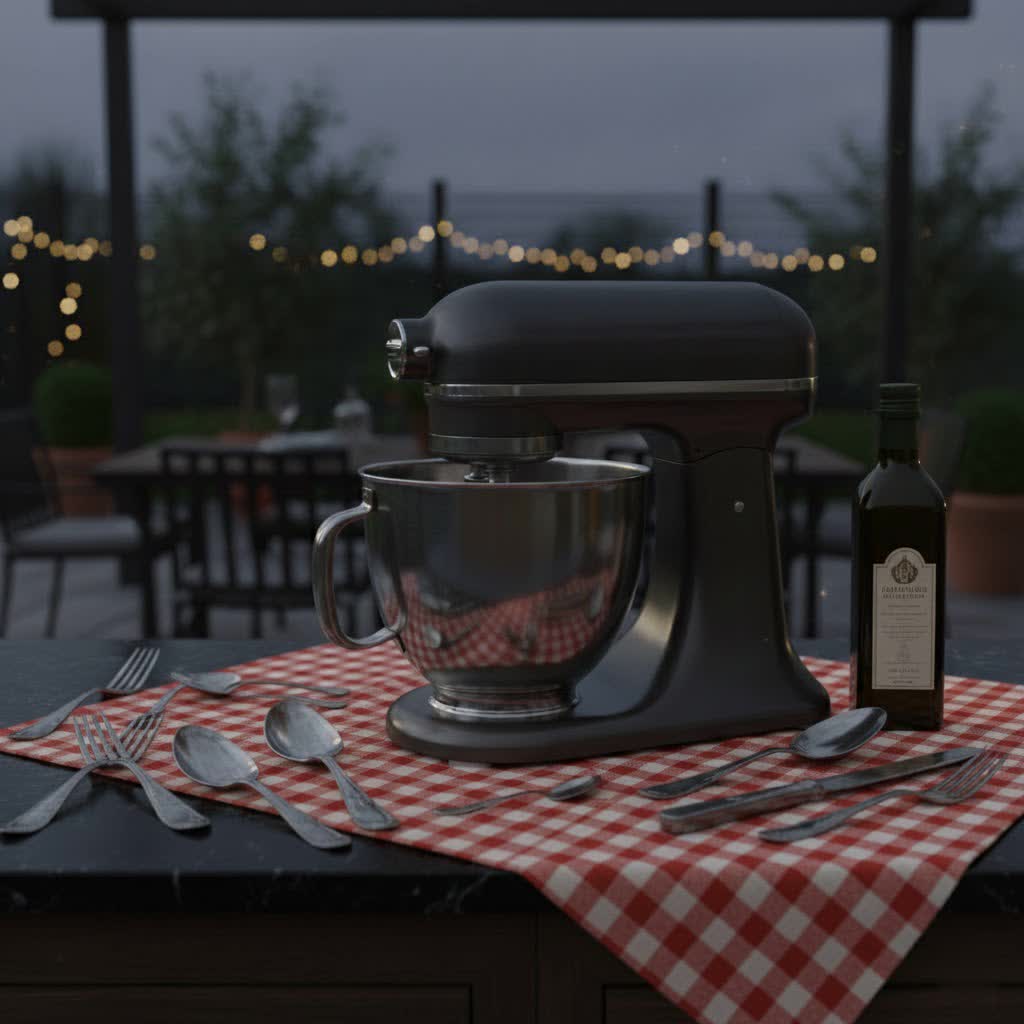
A stand mixer is an indispensable countertop appliance designed to automate the repetitive tasks of mixing, kneading, and whipping ingredients. It frees your hands, provides consistent results, and significantly reduces preparation time, making it a cornerstone for both novice and experienced bakers alike.
The history of the stand mixer is deeply intertwined with the KitchenAid brand, which introduced its first home stand mixer over a century ago. Since then, these machines have evolved, but the fundamental principle of robust construction and powerful mixing action remains. Modern stand mixers typically fall into two main categories: tilt-head and bowl-lift. The KitchenAid Classic, a tilt-head model, offers a design where the motor head tilts back, providing easy access to the bowl and attachments.
The Benefits of Using a Stand Mixer
Integrating a stand mixer into your kitchen brings a host of advantages that elevate your cooking and baking experience:
- Time and Effort Savings: Say goodbye to aching arms and tedious hand-mixing. A stand mixer handles the most demanding tasks, like kneading sticky bread dough or whipping stiff meringues, allowing you to multitask or simply relax.
- Versatile Food Preparation: Beyond baking, a stand mixer, especially with its power hub, can become a culinary center. Attachments can transform it into a pasta maker, meat grinder, vegetable slicer, or even an ice cream maker, expanding its utility far beyond basic mixing.
- Consistent and Superior Results: Planetary mixing action, where the beater rotates in one direction while whisking and turning in the other, ensures thorough incorporation of ingredients. This leads to evenly mixed batters, perfectly kneaded doughs, and consistently fluffy whipped creams.
- Ease of Use and Cleaning: Modern stand mixers are designed for straightforward operation with intuitive controls. Many components, like the mixing bowl and primary attachments, are dishwasher safe, simplifying cleanup after your culinary creations.
Key Criteria for Choosing a Stand Mixer
Selecting the right stand mixer involves considering several factors to ensure it perfectly matches your baking habits and kitchen setup.
Power and Capacity
The motor’s wattage and bowl’s volume are crucial indicators of a mixer’s capability.
- Understanding Your Needs: For a small household or occasional baking, a compact mixer like the KitchenAid Classic with its 4.5-quart capacity is often ideal. It can comfortably handle single batches of cookies or cakes. If you frequently bake for larger families, entertain often, or regularly make substantial bread recipes, you might need a larger capacity.
- Comparing Wattage: The KitchenAid Classic typically features a 275-watt motor. This power level is more than sufficient for everyday tasks such as mixing cake batters, cookie dough, and lighter bread doughs. Higher wattage mixers, often found in larger models, offer increased torque for tackling extremely dense or large volume mixtures without straining the motor.
- Bowl Volume: The 4.5-quart stainless steel bowl of the Classic can mix dough for approximately 6-7 dozen cookies or 3 loaves of bread in a single batch. This makes it a great balance for counter space efficiency and typical home baking needs.
|
Our Picks for the Best Stand Mixer in 2026
As an Amazon Associate I earn from qualifying purchases.
|
||
| Num | Product | Action |
|---|---|---|
| 1 | VIVOHOME Stand Mixer, 660W 10 Speed 6 Quart Tilt-Head Kitchen Electric Food Mixer with Beater, Dough Hook, Wire Whip and Egg Separator, Red |

|
| 2 | Stand Mixer, Zuccie 4.8QT Kitchen Electric Stand Mixer, 380W Motor Power Food Mixer, 8+P-Speed Dough Mixer with Dough Hook, Wire Whip & Beater, Silver |
|
| 3 | VIVOHOME Stand Mixer, 660W 10 Speed 6 Quart Tilt-Head Kitchen Electric Food Mixer with Beater, Dough Hook, Wire Whip and Egg Separator, Blue |
|
| 4 | Kitchen in the box Stand Mixer,3.2Qt Small Electric Food Mixer,6 Speeds Portable Lightweight Kitchen Mixer for Daily Use with Egg Whisk,Dough Hook,Flat Beater (Black) |
|
| 5 | Kitchen in the box Stand Mixer,3.2Qt Small Electric Food Mixer,6 Speeds Portable Lightweight Kitchen Mixer for Daily Use with Egg Whisk,Dough Hook,Flat Beater (Blue) |
|
| 6 | VIVOHOME 3-in-1 Stand Mixer, 6 Quart Electric Tilt-Head Kitchen Mixer with Bowl, Multifunctional Food Mixer with Meat Grinder and Blender Attachments, Dough Hook, Beater, and Whisk, Red |
|
| 7 | VIVOHOME Stand Mixer, 660W 10 Speed 6 Quart Tilt-Head Kitchen Electric Food Mixer with Beater, Dough Hook, Wire Whip and Egg Separator, Pink |
|
| 8 | VIVOHOME Stand Mixer, 660W 10 Speed 6 Quart Tilt-Head Kitchen Electric Food Mixer with Beater, Dough Hook, Wire Whip and Egg Separator, Silver |
|
| 9 | VIVOHOME Stand Mixer, 660W 10 Speed 6 Quart Tilt-Head Kitchen Electric Food Mixer with Beater, Dough Hook, Wire Whip and Egg Separator, Gray |
|
| 10 | VIVOHOME Stand Mixer, 660W 10 Speed 6 Quart Tilt-Head Kitchen Electric Food Mixer with Beater, Dough Hook, Wire Whip and Egg Separator, Black |
|
Material Quality and Construction
The durability and longevity of your stand mixer largely depend on its build materials.
- Body Construction: KitchenAid stand mixers, including the Classic, are renowned for their durable, all-metal construction. This heavy-duty, die-cast metal body provides stability on the countertop and ensures the appliance can withstand years of use.
- Mixing Bowl: The KitchenAid Classic comes with a brushed stainless steel bowl. Stainless steel is preferred for its durability, resistance to odors and stains, and ease of cleaning.
- Attachments: The standard attachments for the Classic include a coated flat beater, a coated C-shaped dough hook, and a 6-wire whip. The coated attachments offer non-stick performance and are generally dishwasher safe, while the wire whip typically requires hand washing to maintain its shape and finish.
Features and Functionality
Beyond basic mixing, consider the additional features that enhance usability and versatility.
- Speed Settings: The KitchenAid Classic offers 10 distinct speed settings, providing precise control for various tasks, from a gentle stir to a fast whip. The tilt-head design allows for easy access to the bowl and attachments when adding ingredients.
- Specialized Functions: While the Classic focuses on core mixing capabilities, its universal power hub at the front of the mixer allows for compatibility with over 10 optional attachments. These can include a food grinder, pasta maker, spiralizer, and more, transforming your mixer into a multifunctional kitchen appliance.
- Ergonomics: Some premium models offer features like a bowl with a handle or a pouring shield, which are not standard on the Classic. While these are convenient, their absence on the Classic is often balanced by its more accessible price point.
Brand Reputation and Pricing
Investing in a stand mixer means considering the manufacturer’s reputation and how the price aligns with your budget and desired features.
- Trusted Brands: KitchenAid is a leading brand in the stand mixer market, celebrated for its iconic design, robust construction, and enduring quality. The Classic series embodies this brand promise at a more entry-level price.
- Value for Money: The KitchenAid Classic is positioned as an affordable entry point into the KitchenAid ecosystem, offering reliable performance without the premium features or extensive color options of higher-end models like the Artisan. Its value lies in its dependable functionality and durability for occasional bakers or those with limited space.
Comparing the KitchenAid Classic and Artisan Stand Mixers
When considering a KitchenAid stand mixer, the Classic and Artisan models are often compared. While similar in their tilt-head design and iconic aesthetic, they cater to different needs and budgets.
| Feature | KitchenAid Classic | KitchenAid Artisan |
|---|---|---|
| Bowl Capacity | 4.5 Quarts | 5 Quarts |
| Motor Wattage | 275 Watts | 325 Watts |
| Cookie Batches | Up to 6-7 dozen | Up to 9 dozen |
| Bread Loaves | Up to 3 | Up to 4 |
| Bowl Handle | No | Often included |
| Pouring Shield | Not included | Often included |
| Color Options | Limited (typically white, black, silver) | Extensive (dozens of vibrant, matte, and metallic shades) |
| Price Point | More affordable (entry-level) | Higher (premium for features and aesthetics) |
| Ideal User | Beginners, occasional bakers, smaller households | Frequent bakers, bread makers, design-conscious users |
The Classic offers fantastic value, providing the core KitchenAid experience for a lower cost. It’s a solid, dependable choice for everyday baking. The Artisan, with its increased capacity, more powerful motor, and vast color palette, is a better long-term investment for serious bakers who need more versatility and want their mixer to be a stylish centerpiece in their kitchen.
How to Use and Maintain Your KitchenAid Stand Mixer
Proper usage and regular maintenance are key to ensuring your KitchenAid Classic Stand Mixer serves you for many years.
Safe and Effective Operation
- Attachment Selection: Use the appropriate attachment for your task: the flat beater for batters and cookie dough, the dough hook for kneading yeast doughs, and the wire whip for whipping air into ingredients like egg whites and cream.
- Speed Control: Always start at a low speed, especially when incorporating dry ingredients, to prevent splattering. Gradually increase to the desired speed. For yeasted doughs, typically stick to speed 2 to avoid overworking the motor.
- Tilt-Head Mechanism: Unlock the head to tilt it back for adding ingredients or changing attachments, then firmly lock it back into place before operating the mixer.
Cleaning and Storage
- Bowl and Attachments: The stainless steel bowl, coated flat beater, and coated dough hook are typically dishwasher safe. The wire whip should be hand-washed to prevent dulling or damage.
- Mixer Head: Wipe the mixer head and stand with a damp cloth to remove any splatters or dust. Avoid abrasive cleaners.
- Long-Term Care: Ensure the mixer is clean and dry before storing. If it will be unused for an extended period, cover it to protect it from dust.
Common Issues and Troubleshooting
Even the most robust appliances can encounter minor issues. Here are a few common problems and their solutions:
- Mixer Not Turning On: Check if it’s securely plugged in and if the circuit breaker is active. Sometimes a brief rest (10-15 seconds off) or allowing it to cool down (30 minutes) can resolve the issue.
- Beater Hitting the Bowl/Not Reaching Ingredients: This indicates the beater height might be out of adjustment. KitchenAid mixers usually have an adjustment screw near the tilt-head hinge. You can perform a “dime test”: place a dime in the bowl, run the mixer on low, and adjust the screw until the beater gently pushes the dime around the bottom of the bowl.
- Motor Heating Up or Struggling: This is normal under heavy loads or extended use. If it shuts off, it likely has an overheating protection mechanism; allow it to cool. If it consistently struggles with lighter doughs, it might indicate a worn component.
- Noisy Operation or Grinding: This can often be due to worn gears or dried-out grease within the gear housing. While some DIY fixes are possible for experienced users (regreasing, gear replacement), for persistent or severe noise, professional service might be needed.
- Oil Leakage from Mixer Head: A small amount of oil leakage, especially with older models, can occur as the food-grade grease inside the gearbox settles or separates. It typically indicates the mixer needs to be opened, cleaned, and re-greased.
Where to Purchase Your KitchenAid Classic Stand Mixer
The KitchenAid Classic Stand Mixer is widely available through various retail channels:
- Major Appliance and Department Stores: Retailers like Best Buy, Walmart, and other home goods stores often carry the Classic series, allowing you to see the product in person and potentially take advantage of sales.
- Online Marketplaces: Websites like Amazon, Walmart.com, and KitchenAid’s official website offer convenient purchasing options, often with competitive pricing and home delivery.
- Specialty Kitchen Stores: These stores might offer a more curated selection and expert advice, though prices may be slightly higher.
When buying online, always verify the seller’s reputation, check their return policy, and look for available warranties. Keep an eye out for seasonal sales, especially around holidays, which can offer significant savings.
Your Ultimate Buying Guide for the KitchenAid Classic Stand Mixer
Choosing the KitchenAid Classic Stand Mixer is a smart decision for many home bakers. To ensure you make the best choice, consider these final points:
- Assess Your Baking Frequency: If you bake occasionally (a few times a month) and primarily stick to cakes, cookies, and lighter batters, the Classic is an excellent and cost-effective choice.
- Consider Your Space: Its 4.5-quart capacity and compact footprint make it ideal for smaller kitchens where counter space is at a premium.
- Budget Alignment: The Classic provides the signature KitchenAid quality and durability at a more accessible price point, making it a fantastic entry-level option.
- Future Versatility: Remember the power hub! While the Classic is basic in its included attachments, its compatibility with over 10 optional attachments means it can grow with your culinary interests.
Before making your final purchase, ask yourself: How often will I use it? What types of recipes will I make most frequently? Does its capacity fit my typical batch sizes? Answering these questions will guide you to the perfect KitchenAid Classic experience.
Frequently Asked Questions
What is the primary difference between the KitchenAid Classic and Artisan?
The main differences lie in motor power (Classic: 275W vs. Artisan: 325W), bowl capacity (Classic: 4.5-quart vs. Artisan: 5-quart), and color selection (Classic has limited colors, Artisan offers a vast palette). The Artisan also often includes a handled bowl and pouring shield.
Can the KitchenAid Classic handle dense bread dough?
The KitchenAid Classic can handle standard white bread or pizza dough in small batches. However, for very dense, heavy doughs like whole wheat or sourdough, or for frequent bread making, its 275-watt motor may struggle and is best kept to speed 2 to prevent strain.
Are KitchenAid Classic attachments interchangeable with other models?
Yes, the KitchenAid Classic features a universal power hub, meaning almost all KitchenAid hub-powered attachments, such as pasta makers, food grinders, and slicers, are compatible with it, as well as with Artisan and other tilt-head models.
Is the KitchenAid Classic a good mixer for beginners?
Absolutely. The KitchenAid Classic is often recommended as an excellent starting point for beginners. It’s user-friendly, reliable, and provides core KitchenAid performance and durability without the higher price tag of more advanced models.
How do I clean my KitchenAid Classic Stand Mixer?
The stainless steel bowl, coated flat beater, and dough hook are typically dishwasher safe. The wire whip should be hand-washed. The mixer body can be wiped clean with a damp cloth. Always unplug the mixer before cleaning.
