Embarking on a baking adventure or simply looking to streamline your kitchen tasks? A top-rated stand mixer is often the unsung hero, transforming arduous mixing into a seamless, enjoyable process. This versatile appliance is a cornerstone for any home cook or professional baker, promising to elevate your culinary creations from simple cookies to elaborate sourdoughs. But with a myriad of options on the market, how do you sift through the features, power, and brands to find the one that truly stands out? This comprehensive guide cuts through the noise, offering expert insights to help you choose a stand mixer that not only meets but exceeds your expectations, ensuring every batter, dough, and meringue is mixed to perfection.
An Overview of Stand Mixers
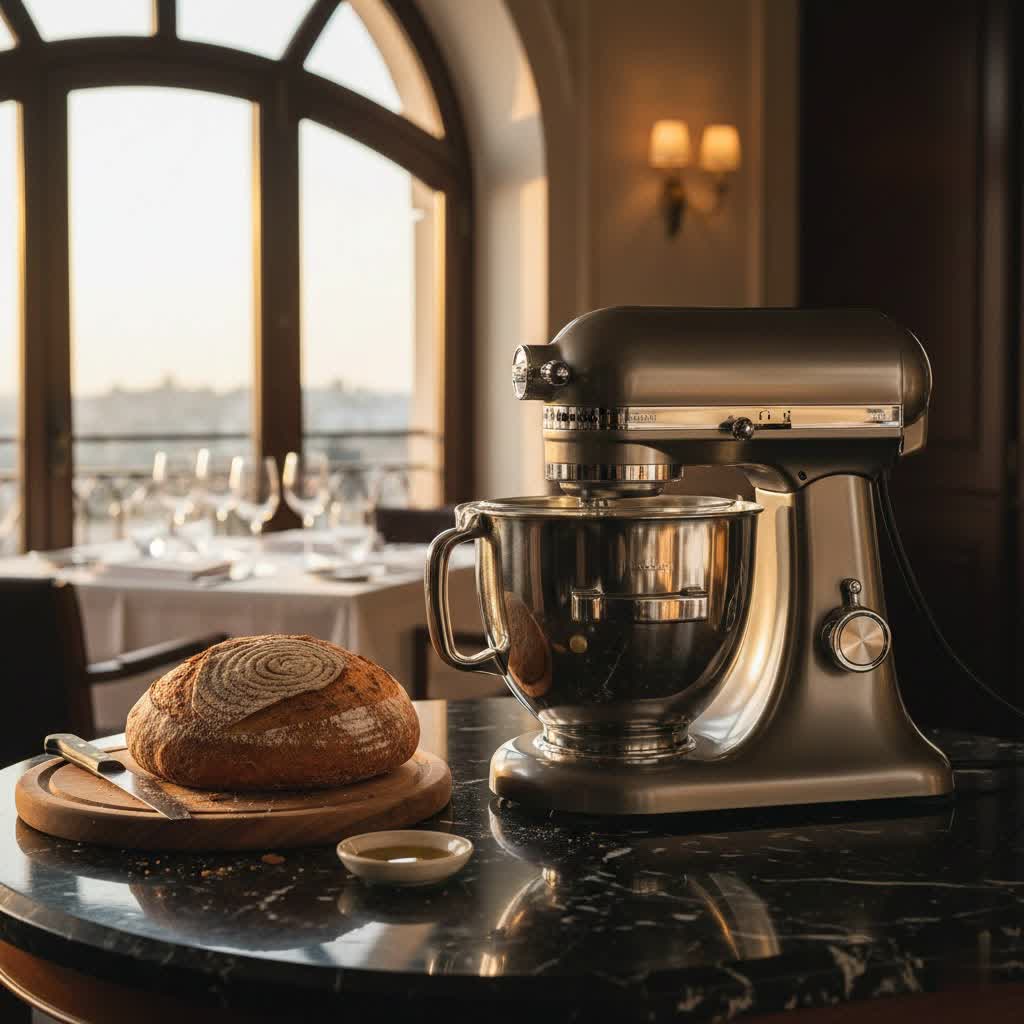
A stand mixer is an indispensable kitchen appliance featuring a powerful motor, a stationary bowl, and various interchangeable attachments designed for a multitude of mixing tasks. Unlike a hand mixer, it allows for hands-free operation, making it ideal for longer mixing times or when you need to add ingredients gradually. This essential tool simplifies baking, cooking, and food preparation by providing consistent, thorough mixing.
The journey of the stand mixer began in the early 20th century, with Herbert Johnson of the Hobart Manufacturing Company inventing the first electric stand mixer for home use in 1908. By 1919, the iconic KitchenAid mixer was introduced, quickly becoming a staple in American kitchens. Over the decades, these machines have evolved, incorporating more powerful motors, sophisticated designs, and a wider array of attachments, cementing their status as a must-have appliance.
Today, the market offers several types of stand mixers, primarily categorized by their head design: tilt-head and bowl-lift. Tilt-head models feature a mixer head that tilts back, providing easy access to the bowl and attachments. They are generally more compact and often preferred for lighter tasks and smaller batches. Bowl-lift models, on the other hand, have a stationary head, and the bowl is securely lifted into place by a lever. These are typically more robust, offering greater stability and power, making them suitable for larger batches and heavy-duty kneading. Additionally, some high-end professional models offer direct-drive motors for enhanced durability and performance.
The Undeniable Benefits of Owning a Stand Mixer
Investing in a stand mixer brings a wealth of advantages that can revolutionize your kitchen experience, making both everyday cooking and special occasion baking more efficient and enjoyable. From whipping delicate meringues to kneading dense bread doughs, the benefits are clear and compelling.
One of the most significant advantages is the time and effort savings it provides. Instead of painstakingly mixing by hand, which can be tiring and time-consuming, a stand mixer handles the hard work effortlessly. You can focus on other aspects of your meal preparation, saving precious minutes and reducing physical strain, especially when dealing with stiff doughs or lengthy whipping processes.
Stand mixers are also celebrated for their incredible versatility in the kitchen. Beyond their primary function of mixing, many models come with a power hub that allows you to attach various accessories, transforming the mixer into a multi-functional culinary center. With attachments like pasta makers, meat grinders, spiralizers, and even ice cream makers, a single appliance can tackle an impressive range of tasks, saving counter space and simplifying your cooking routine.
Achieving consistent results, every time, is another key benefit. The planetary mixing action, where the beater rotates in one direction while whirling in the other, ensures thorough incorporation of ingredients, preventing unmixed pockets and creating uniformly smooth batters and doughs. This precision is difficult to replicate by hand and is crucial for baking consistency, leading to better rise, texture, and flavor in your finished products.
Finally, stand mixers are designed for ease of use and cleanup. Operating most models is intuitive, with simple speed controls and attachment changes. Modern designs often prioritize easy-to-clean materials like stainless steel bowls and dishwasher-safe attachments. While the machine does the hard work, the cleanup is often quick and straightforward, allowing you more time to enjoy your culinary creations.
Key Criteria for Choosing a Stand Mixer
Selecting the perfect stand mixer involves evaluating several critical factors to ensure it aligns with your specific culinary needs and budget. Understanding these criteria will empower you to make an informed decision that you’ll be happy with for years to come.
Power and Capacity
|
Our Picks for the Best Stand Mixer in 2026
As an Amazon Associate I earn from qualifying purchases.
|
||
| Num | Product | Action |
|---|---|---|
| 1 | Kitchen in the box Stand Mixer,3.2Qt Small Electric Food Mixer,6 Speeds Portable Lightweight Kitchen Mixer for Daily Use with Egg Whisk,Dough Hook,Flat Beater (Black) |

|
| 2 | VIVOHOME Stand Mixer, 660W 10 Speed 6 Quart Tilt-Head Kitchen Electric Food Mixer with Beater, Dough Hook, Wire Whip and Egg Separator, Red |
|
| 3 | Stand Mixer, Zuccie 4.8QT Kitchen Electric Stand Mixer, 380W Motor Power Food Mixer, 8+P-Speed Dough Mixer with Dough Hook, Wire Whip & Beater, Silver |
|
| 4 | VIVOHOME Stand Mixer, 660W 10 Speed 6 Quart Tilt-Head Kitchen Electric Food Mixer with Beater, Dough Hook, Wire Whip and Egg Separator, Pink |
|
| 5 | Kitchen in the box Stand Mixer,3.2Qt Small Electric Food Mixer,6 Speeds Portable Lightweight Kitchen Mixer for Daily Use with Egg Whisk,Dough Hook,Flat Beater (Blue) |
|
| 6 | VIVOHOME Stand Mixer, 660W 10 Speed 6 Quart Tilt-Head Kitchen Electric Food Mixer with Beater, Dough Hook, Wire Whip and Egg Separator, Gray |
|
| 7 | VIVOHOME Stand Mixer, 660W 10 Speed 6 Quart Tilt-Head Kitchen Electric Food Mixer with Beater, Dough Hook, Wire Whip and Egg Separator, Silver |
|
| 8 | VIVOHOME Stand Mixer, 660W 10 Speed 6 Quart Tilt-Head Kitchen Electric Food Mixer with Beater, Dough Hook, Wire Whip and Egg Separator, Blue |
|
| 9 | VIVOHOME Stand Mixer, 660W 10 Speed 6 Quart Tilt-Head Kitchen Electric Food Mixer with Beater, Dough Hook, Wire Whip and Egg Separator, Black |
|
| 10 | VIVOHOME 3-in-1 Stand Mixer, 6 Quart Electric Tilt-Head Kitchen Mixer with Bowl, Multifunctional Food Mixer with Meat Grinder and Blender Attachments, Dough Hook, Beater, and Whisk, Red |
|
Matching your stand mixer’s power and bowl capacity to your typical usage is paramount. For a small family or occasional baker, a mixer with a wattage between 250-325 watts and a 4.5-quart (approx. 4.3 liters) bowl might suffice for cookies, cakes, and lighter batters. If you’re a large family baker or frequently prepare meals, look for mixers in the 325-500 watt range with 5 to 6-quart (approx. 4.7-5.7 liters) bowls, capable of handling double batches and thicker doughs. Professional bakers or those making large quantities of bread will benefit most from heavy-duty models, often featuring 500+ watts or even DC motors, and larger 6-quart or 7-quart (approx. 5.7-6.6 liters) bowls designed to knead dense bread doughs without straining the motor.
When considering wattage, remember that higher wattage generally indicates more power, which is beneficial for tougher tasks. However, some mixers with lower wattage can still be highly effective due to efficient motor design, such as direct-drive motors, which deliver power more effectively to the attachments.
Material and Durability
The construction materials of your stand mixer significantly impact its durability and aesthetic appeal. The body construction can range from durable plastic to robust die-cast metal. While plastic models are lighter and more affordable, die-cast metal bodies offer superior stability, reduced vibration, and greater longevity, making them a worthwhile investment for frequent use.
For the mixing bowl, stainless steel is the most common and recommended material. It is lightweight, non-reactive, durable, and easy to clean. Glass bowls offer visibility into the mixing process and can be aesthetically pleasing, but they are heavier and more prone to breakage. Some older models or specific brands might offer ceramic bowls, which are durable but also heavy.
The attachments—the dough hook, whisk, and flat beater—are crucial. Standard attachments are often aluminum, which is lightweight but can react with acidic foods or discolor in the dishwasher. Opt for stainless steel or nylon-coated attachments for better durability, resistance to corrosion, and ease of cleaning. A nylon coating also prevents scratching the bowl.
Features and Functionality
Modern stand mixers boast an array of features that can enhance their utility and user experience. Variable speed settings are a must, allowing precise control from a gentle stir to a vigorous whip. Many top-rated models feature a “soft start” or “fold” setting to gradually incorporate ingredients without splashing, along with higher speeds for maximum aeration. The planetary mixing action (where the beater spins in one direction while orbiting the bowl in the other) is standard in quality stand mixers, ensuring thorough ingredient incorporation.
Some advanced models include smart features such as digital timers, auto-shutoff functions, or even built-in scales, though these often come at a premium. Consider if these features are essential for your workflow.
The accessory hub is a hallmark of many stand mixers, especially KitchenAid models. This port at the front of the mixer allows for a vast array of optional attachments (sold separately), from pasta makers and meat grinders to vegetable slicers and juicers. Assess which, if any, of these extended functionalities would be valuable to you.
Brand Reputation and Price
The stand mixer market is dominated by several well-known brands, each with its own reputation for quality and innovation. KitchenAid is arguably the most famous, revered for its iconic design, robust performance, and extensive range of colors and attachments. Other reputable brands include Cuisinart, Breville, Smeg, and Ankarsrum, which often cater to specific niches or offer unique features. Researching customer reviews and expert opinions for specific models within these brands can provide valuable insights.
Price points vary significantly, from entry-level models under $200 to professional-grade machines exceeding $1000. It’s crucial to balance cost with quality and expected lifespan. While a higher price often correlates with better durability and more features, there are excellent mid-range options that offer superb value. Always look into warranty and customer support offered by the brand, as a good warranty can provide peace of mind for your investment. Keep an eye out for sales and promotional deals, especially around holidays, to get the best value.
Comparing Popular Top-Rated Stand Mixer Models
Choosing the right stand mixer can feel overwhelming given the many excellent options available. Here’s a comparison of some top-rated models that consistently receive high marks for performance, durability, and features, helping you identify the best fit for your kitchen.
| Model | Power (Watts) | Capacity (Quarts) | Key Features | Pros | Cons | Price Range |
|---|---|---|---|---|---|---|
| KitchenAid Artisan | 325 | 5 | Tilt-head, 10 speeds, accessory hub | Iconic design, wide color range, versatile | Less powerful for heavy dough, attachments sold separately | $$$ |
| KitchenAid Professional | 575 | 6-7 | Bowl-lift, 10 speeds, accessory hub, DC motor | Heavy-duty, powerful for stiff dough, durable | Heavier, larger footprint, higher price | $$$$ |
| Cuisinart SM-50 | 500 | 5.5 | Tilt-head, 12 speeds, 3 power outlets | Strong motor, good value, quiet operation | Fewer accessory options than KitchenAid | $$ |
| Ankarsrum Original | 600 | 7 | Bottom-drive, open bowl design, built-in timer | Extremely powerful, handles huge batches, quiet | Unique design takes getting used to, expensive | $$$$$ |
| Smeg SMF03 | 800 | 4.8 | Tilt-head, 10 speeds, retro design | Stylish aesthetics, robust build, good for batters | Smaller capacity, premium price for features | $$$$ |
| Breville BEM825BAL | 1200 | 5 | Tilt-head, planetary mixing, load sensing | Smart features, powerful for its size, built-in timer | Higher price, larger than typical tilt-head | $$$$ |
- KitchenAid Artisan: This is an excellent all-rounder for most home bakers. Its tilt-head design is user-friendly, and it handles most everyday tasks with ease, from cakes to cookies and moderate bread doughs. It’s a reliable choice if you appreciate design variety and a wide array of optional attachments.
- KitchenAid Professional (e.g., Pro 600 or 7-Quart): If you’re a serious baker, frequently make large batches, or regularly tackle stiff bread doughs, the Professional series is a workhorse. Its bowl-lift mechanism provides stability, and the more powerful motor makes quick work of demanding tasks.
- Cuisinart SM-50: Offering great performance at a more accessible price point, the Cuisinart SM-50 is a strong contender for those seeking power and versatility without breaking the bank. It’s a solid choice for daily baking and is surprisingly quiet.
- Ankarsrum Original: For the ultimate baking enthusiast or small commercial use, the Ankarsrum stands apart. Its unique bottom-drive design and open bowl make it exceptional for large quantities of bread dough, and it’s built to last for decades. Its higher price and distinct operation require a commitment.
- Smeg SMF03: If aesthetics are a high priority and you love retro design, the Smeg offers a beautiful appliance with solid performance for lighter to medium tasks. It’s more about style meeting substance, perfect for those who want their mixer to be a statement piece.
- Breville BEM825BAL: The Breville combines powerful performance with smart features, like load sensing, which adjusts power to maintain speed. It’s a sophisticated option for tech-savvy bakers who appreciate precision and a modern aesthetic, capably handling a range of tasks.
Ultimately, your choice depends on your specific baking habits, the volume of your production, and your budget. Consider these top-rated models as a starting point, and evaluate which one best aligns with your culinary aspirations.
Mastering Your Stand Mixer: Usage and Maintenance
To truly get the most out of your stand mixer and ensure its longevity, proper usage and diligent maintenance are key. Understanding how to operate it safely and effectively, combined with regular cleaning, will keep your appliance performing at its best for years to come.
Getting started with your stand mixer is usually straightforward. Always ensure the mixer is on a stable, flat surface before operation. Attach the correct bowl and beater securely before turning it on. When adding ingredients, especially dry ones, start on the lowest speed to prevent flour clouds, gradually increasing as the ingredients combine. Never overload your mixer beyond its stated capacity, as this can strain the motor and lead to premature wear. Always use the appropriate attachment for the task at hand.
Each of the three main attachments serves a distinct purpose:
- The dough hook is specifically designed for kneading yeast doughs, like bread, pizza, or pasta dough, developing gluten structure without overworking the mixture.
- The flat beater (or paddle attachment) is your go-to for most general mixing tasks, including creaming butter and sugar, mixing cake batters, cookie doughs, mashed potatoes, and even meatloaf.
- The wire whisk (or balloon whisk) is perfect for incorporating air into mixtures, such as whipping egg whites, making meringues, whipping cream, and light batters.
For cleaning and care, immediately unplug your stand mixer before cleaning to prevent accidental activation. Most stand mixer bowls (especially stainless steel) and attachments are dishwasher safe, but always check your specific model’s manual. For painted or coated attachments, handwashing is often recommended to preserve the finish. The mixer head and body should be wiped down with a damp cloth, avoiding harsh abrasives or submerging the unit in water. Keep the accessory hub clean and dry to ensure optional attachments fit properly. Store your mixer in a dry place, and if space allows, leave attachments in the bowl or neatly stored nearby for easy access.
Common issues can include a wobbling head (often fixable with a simple screw adjustment on tilt-head models), difficulty with very stiff doughs (suggesting the need for a more powerful mixer or smaller batches), or attachments not reaching the bottom of the bowl (requiring a simple height adjustment, typically described in your manual). Regular inspection and timely cleaning can prevent most minor issues.
Where to Purchase Your Stand Mixer
Once you’ve identified the perfect stand mixer for your needs, knowing where to make your purchase is the next step. You have several reliable avenues, each offering different advantages.
Authorized retailers and department stores are excellent places to start. Stores like Williams Sonoma, Sur La Table, Macy’s, and Bed Bath & Beyond often have a selection of popular models on display, allowing you to see and feel the mixers in person. Sales associates can answer questions, and these stores frequently offer competitive pricing, bundle deals, and robust return policies.
Large electronics and appliance stores, such as Best Buy or Abt, also carry a wide range of stand mixers, often showcasing both entry-level and high-end models. They might offer extended warranty options and sometimes have sales or price matching.
For convenience and often broader selection, online marketplaces like Amazon, Walmart.com, Target.com, and the official brand websites (e.g., KitchenAid.com) are popular choices. Online shopping allows you to compare prices easily, read countless customer reviews, and have the mixer delivered directly to your door. When buying online, always verify the seller’s reputation, especially if it’s not the official brand store. Look for clear return policies and ensure the product is new and covered by the manufacturer’s warranty.
When buying a stand mixer, it’s always wise to compare prices across different retailers and check for current promotions. Holiday sales (like Black Friday, Cyber Monday, or Prime Day) often feature significant discounts on kitchen appliances. Consider whether buying refurbished directly from the manufacturer could be a cost-effective option, as these units typically come with a warranty.
Your Comprehensive Stand Mixer Buying Guide
Choosing a stand mixer is an investment in your culinary passion, and making the right decision means considering several key factors that align with your lifestyle and baking ambitions.
Here’s a quick recap of essential considerations:
- Assess Your Needs: Are you an occasional baker, a frequent bread maker, or someone who loves to experiment with various culinary tasks? Your usage frequency and batch sizes will dictate the required power and capacity.
- Power and Capacity: For light to moderate use, 300-325 watts and a 4.5-5 quart bowl are usually sufficient. Heavy bakers or bread makers should aim for 500+ watts (or efficient DC motors) and 6-7 quart bowls.
- Build Quality: Prioritize durable materials like die-cast metal for the body and stainless steel for bowls and attachments to ensure longevity and stability.
- Features: Look for multiple speed settings, planetary mixing action, and consider if an accessory hub for future attachments is important to you.
- Budget vs. Brand: While premium brands like KitchenAid offer excellent quality and extensive accessory lines, there are many strong contenders in mid-range prices that provide great value.
- Ergonomics: Consider tilt-head for easier bowl access or bowl-lift for stability during heavy mixing.
Finding the perfect match for your budget and lifestyle means asking yourself a few key questions before committing to a purchase:
- How often will I realistically use this stand mixer?
- What types of recipes will I primarily be making (e.g., light batters, heavy doughs, meringues)?
- What is my maximum budget, and what features are non-negotiable within that budget?
- Do I have sufficient counter space and storage for the mixer’s size and weight?
- Are there specific attachments I might want to add later, and does the mixer support them?
By carefully considering these points, you can confidently select a top-rated stand mixer that will become an invaluable, long-lasting companion in your kitchen.
Conclusion
Choosing a top-rated stand mixer is a pivotal step towards enhancing your baking and cooking efficiency, transforming demanding tasks into effortless pleasures. We’ve explored everything from the fundamental types and undeniable benefits to crucial buying criteria like power, capacity, and materials, alongside a detailed comparison of popular models. Ultimately, the best stand mixer is one that perfectly aligns with your individual culinary needs, frequency of use, and budgetary considerations. With the right information, you can invest in a durable, versatile appliance that empowers you to create delicious masterpieces for years to come. What culinary creation will you whip up first with your new stand mixer?
Frequently Asked Questions
What is the ideal wattage for a stand mixer?
The ideal wattage depends on your primary use. For general home baking of cakes and cookies, 250-325 watts is often sufficient. For frequent bread making or handling stiff doughs, look for 325-500 watts or higher, or models with efficient DC motors, to ensure powerful and consistent performance.
Can a stand mixer knead stiff bread dough effectively?
Yes, many stand mixers are designed to knead stiff bread dough, but performance varies by model. Higher-powered stand mixers (typically 500+ watts or those with robust DC motors) and bowl-lift designs are generally more effective and durable for heavy-duty doughs compared to less powerful tilt-head models.
How often should I clean my stand mixer?
You should clean your stand mixer immediately after each use to prevent food residue from hardening. Wipe down the exterior and clean the bowl and attachments according to the manufacturer’s instructions. Regular, prompt cleaning ensures hygiene and prevents long-term grime buildup.
Are stand mixer attachments universal across all brands?
No, stand mixer attachments are generally not universal. While many brands offer similar types of attachments, they are typically designed to fit specific mixer models or brand’s power hubs. KitchenAid, for example, has a widely compatible accessory hub for its own brand attachments.
What’s the main difference between tilt-head and bowl-lift stand mixers?
Tilt-head stand mixers have a head that tilts back for bowl access, often more compact and suitable for lighter tasks. Bowl-lift models feature a stationary head with a lever that raises the bowl into place, offering greater stability and power, ideal for larger batches and heavy doughs.
Is a stand mixer a good investment for home bakers?
For most home bakers, a stand mixer is an excellent investment. It significantly reduces effort and time for mixing, kneading, and whipping, provides consistent results, and offers versatility through various attachments. Its durability often means it will serve you well for many years.
