For any passionate home baker or culinary enthusiast, a stand mixer is more than just an appliance; it’s a cornerstone of the kitchen, transforming tedious tasks into effortless artistry. This comprehensive guide will navigate you through the world of stand mixers, helping you understand their features, benefits, and how to select the ideal model that aligns with your culinary ambitions and lifestyle. From understanding the core mechanics to comparing top models, we’ll ensure you’re equipped to make an informed decision and elevate your baking game.
Overview of Stand Mixers
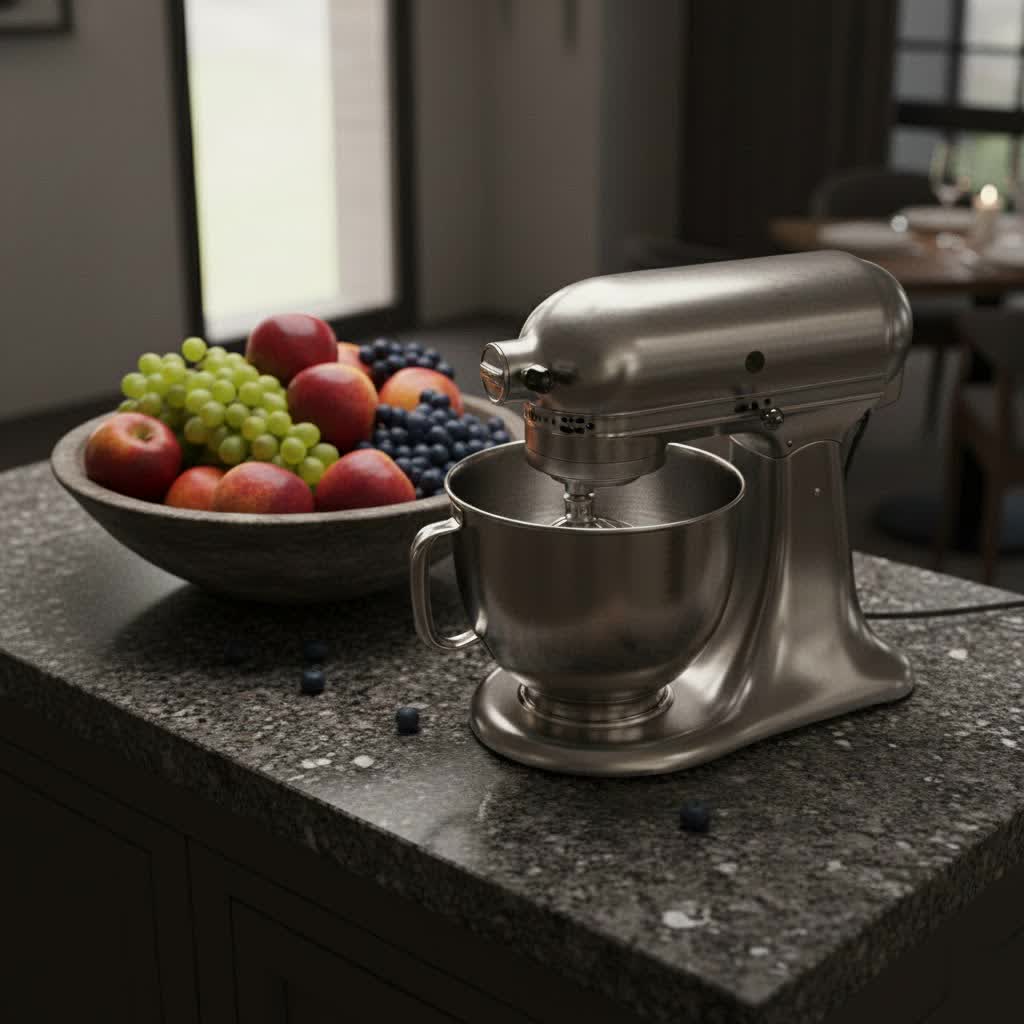
A stand mixer is a powerful kitchen appliance designed to streamline a variety of mixing tasks, freeing your hands and allowing for greater efficiency and consistency in the kitchen. Unlike a hand mixer, which requires manual holding, a stand mixer features a robust motor housed in a heavy base, with a bowl securely attached to the stand. This hands-free operation makes it an indispensable tool for everything from delicate meringues to dense bread doughs.
Historically, the concept of mechanical mixers dates back to the late 19th century, with the first commercial stand mixer, the “Hobart F,” introduced in 1914. However, it was the iconic KitchenAid mixer, first introduced in 1919, that revolutionized home baking, bringing professional-grade mixing capabilities to domestic kitchens. Over the decades, stand mixers have evolved, becoming more diverse in design, power, and functionality, while maintaining their core purpose of simplifying complex food preparation.
Today, stand mixers primarily come in two distinct types:
- Tilt-Head Stand Mixers: These models feature a hinged head that tilts back, providing easy access to the mixing bowl and attachments. They are generally more compact, ranging in capacity from 3.5 to 5.5 quarts, making them ideal for average-sized households and lighter mixing tasks like whipping cream or cake batter. Their design requires adequate vertical clearance when tilted for operation.
- Bowl-Lift Stand Mixers: Characterized by a lever that raises and lowers the mixing bowl into position, bowl-lift models are typically larger, more powerful, and robust. With capacities often ranging from 5 to 8 quarts, they are favored by professional bakers and those who regularly tackle heavy-duty tasks such as kneading large quantities of bread dough or thick cookie batters. Their sturdy construction offers superior stability during intensive mixing.
Benefits of Using a Stand Mixer
Investing in a stand mixer brings a wealth of advantages that can dramatically enhance your cooking and baking experience.
One of the most significant benefits is the time and effort saving it offers. The hands-free design means you can add ingredients and let the mixer work while you attend to other tasks, eliminating the fatigue of manual mixing or holding a hand mixer for extended periods. This is particularly valuable for recipes that require long mixing or kneading times, such as artisan bread or stiff cookie dough.
Stand mixers are also renowned for their versatility in food preparation. Beyond basic mixing, they can perform a wide array of functions thanks to their interchangeable attachments. Standard accessories typically include a flat beater for batters, a wire whisk for aerating egg whites and creams, and a dough hook for kneading. Many models also offer a hub for additional attachments, transforming the mixer into a multi-functional appliance that can grind meat, make pasta, spiralize vegetables, or even produce homemade ice cream.
The powerful motors and consistent planetary mixing action of stand mixers ensure unparalleled quality and uniformity of mixtures. This results in perfectly aerated batters, evenly kneaded doughs, and consistently smooth sauces, contributing to better texture, rise, and overall flavor in your baked goods. Their robust power allows them to work effectively with colder ingredients, such as butter straight from the refrigerator, which is crucial for achieving specific textures in pastries and cookies.
Furthermore, stand mixers are generally easy to use and maintain. Their sturdy design minimizes splattering, leading to less mess in your kitchen. Most bowls and attachments are dishwasher-safe, simplifying cleanup, while the main unit can be easily wiped down. This combination of power, versatility, and convenience makes a stand mixer an invaluable tool for both novice and experienced cooks.
Criteria for Choosing a Stand Mixer
Selecting the right stand mixer involves considering several key factors to ensure it meets your specific needs and culinary aspirations.
Power and Capacity
Your mixing frequency and batch size should dictate the ideal power and capacity.
- For small households or occasional baking, a 3.5 to 5-quart capacity with 250-325 watts of power is often sufficient for everyday cakes, cookies, and lighter batters.
- Larger families or frequent bakers may benefit from a 5 to 7-quart mixer, typically offering 300-500 watts, capable of handling bigger batches and moderately dense doughs.
- For professional use or heavy-duty tasks like multiple loaves of bread, a 7 to 8-quart bowl-lift model with 500+ watts and high torque is recommended. While wattage indicates power, torque is a more critical factor for kneading stiff doughs, as it represents the rotational force applied to the ingredients.
|
Our Picks for the Best Stand Mixer in 2026
As an Amazon Associate I earn from qualifying purchases.
|
||
| Num | Product | Action |
|---|---|---|
| 1 | VIVOHOME Stand Mixer, 660W 10 Speed 6 Quart Tilt-Head Kitchen Electric Food Mixer with Beater, Dough Hook, Wire Whip and Egg Separator, Gray |

|
| 2 | VIVOHOME Stand Mixer, 660W 10 Speed 6 Quart Tilt-Head Kitchen Electric Food Mixer with Beater, Dough Hook, Wire Whip and Egg Separator, Black |
|
| 3 | Stand Mixer, Zuccie 4.8QT Kitchen Electric Stand Mixer, 380W Motor Power Food Mixer, 8+P-Speed Dough Mixer with Dough Hook, Wire Whip & Beater, Silver |
|
| 4 | Kitchen in the box Stand Mixer,3.2Qt Small Electric Food Mixer,6 Speeds Portable Lightweight Kitchen Mixer for Daily Use with Egg Whisk,Dough Hook,Flat Beater (Black) |
|
| 5 | VIVOHOME Stand Mixer, 660W 10 Speed 6 Quart Tilt-Head Kitchen Electric Food Mixer with Beater, Dough Hook, Wire Whip and Egg Separator, Blue |
|
| 6 | Kitchen in the box Stand Mixer,3.2Qt Small Electric Food Mixer,6 Speeds Portable Lightweight Kitchen Mixer for Daily Use with Egg Whisk,Dough Hook,Flat Beater (Blue) |
|
| 7 | VIVOHOME Stand Mixer, 660W 10 Speed 6 Quart Tilt-Head Kitchen Electric Food Mixer with Beater, Dough Hook, Wire Whip and Egg Separator, Red |
|
| 8 | VIVOHOME Stand Mixer, 660W 10 Speed 6 Quart Tilt-Head Kitchen Electric Food Mixer with Beater, Dough Hook, Wire Whip and Egg Separator, Silver |
|
| 9 | VIVOHOME 3-in-1 Stand Mixer, 6 Quart Electric Tilt-Head Kitchen Mixer with Bowl, Multifunctional Food Mixer with Meat Grinder and Blender Attachments, Dough Hook, Beater, and Whisk, Red |
|
| 10 | VIVOHOME Stand Mixer, 660W 10 Speed 6 Quart Tilt-Head Kitchen Electric Food Mixer with Beater, Dough Hook, Wire Whip and Egg Separator, Pink |
|
Material
The construction materials contribute to a mixer’s durability and aesthetic.
- Body: Stand mixer bodies are typically made from durable plastic or, for more robust models, die-cast metal. Metal construction, often found in premium brands like KitchenAid, offers superior longevity and stability, particularly during heavy mixing.
- Mixing Bowl: Stainless steel bowls are the most common, known for their durability, non-reactivity, and ease of cleaning. Some models offer glass bowls, which allow you to visually monitor the mixing process.
- Attachments: Standard attachments (flat beater, wire whisk, dough hook) are usually made of coated metal. Different coatings may offer varying levels of durability and non-stick properties.
Features
Modern stand mixers come with a range of features that enhance functionality and user experience.
- Speed Settings: Most mixers offer multiple speed settings, often ranging from 6 to 12, allowing for precise control over the mixing process. Look for models with a “slow start” function to prevent ingredients from splattering at the beginning of mixing. Some advanced models may offer infinite variable speed control for ultimate precision or even half-speed settings for gentle folding.
- Smart Functions: Innovative features are emerging in the market, such as auto-sense technology (which automatically adjusts power and speed based on the batter’s viscosity), built-in scales for precise ingredient measurement, and Wi-Fi connectivity with access to programmed recipes and over-the-air updates. The GE Profile Smart Mixer is a notable example, offering a built-in scale and auto-sense technology.
- Attachments: Beyond the standard three, consider the availability of optional attachments. These can significantly expand your mixer’s utility, turning it into a versatile kitchen machine capable of grinding meat, rolling pasta, making ice cream, or spiralizing vegetables.
Brand and Price
The market offers a wide spectrum of brands and price points.
- Reputable Brands: KitchenAid remains a dominant and highly recommended brand, known for its durability, iconic design, and extensive range of attachments. Other respected brands include Cuisinart, GE Profile, Wolf Gourmet, Ankarsrum, Hamilton Beach, and SMEG.
- Price Range: Stand mixers can range from budget-friendly options under $100 to premium, professional-grade models costing $1,000 or more. An average, well-reviewed stand mixer typically falls between $200 and $500. While cheaper models exist, investing in a sturdier, well-regarded brand often proves more cost-effective in the long run due to better performance and longevity. Keep an eye out for sales and check for refurbished models directly from manufacturers like KitchenAid for potential savings.
Comparing Popular Stand Mixer Models
To help you navigate the myriad of options, here’s a comparison of some popular stand mixer models, highlighting their key specifications and advantages:
| Model | Style | Capacity (Quarts) | Power (Watts) | Speed Settings | Price Range | Key Features |
|---|---|---|---|---|---|---|
| KitchenAid Artisan Series | Tilt-head | 5 | 325 | 10 | $400 – $500 | Iconic design, wide color range, versatile attachments, durable. |
| Cuisinart Precision Master SM-50 | Tilt-head | 5.5 | 500 | 12 | $200 – $300 | Good value for a major brand, sleek design, high speed settings. |
| Hamilton Beach 6-speed | Tilt-head | 3.5 | 300 | 6 | $90 – $100 | Best budget option, compact, lightweight, suitable for small batches. |
| KitchenAid 7-Quart Bowl-Lift | Bowl-lift | 7 | 500 | 11 | $600 – $700 | Commercial-grade power, large capacity, excellent for heavy doughs. |
| Wolf Gourmet High-Performance | Bowl-lift | 7 | 500 | Infinite | $950 – $1,100 | Premium craftsmanship, stainless steel finish, infinite speed dial. |
| GE Profile Smart Mixer | Bowl-lift | 7 | 540 | Dozens | $800 – $1,000 | Built-in scale, Auto-Sense technology, Wi-Fi, pre-programmed recipes. |
| KitchenAid Artisan Mini | Tilt-head | 3.5 | 250 | 10 | $350 – $450 | Compact footprint, ideal for small kitchens, same design as Artisan. |
This table provides a snapshot of popular choices. The “best” model ultimately depends on your individual baking volume, specific needs, and budget. For instance, the KitchenAid Artisan is a widely acclaimed choice for its balance of performance and aesthetics, while the GE Profile Smart Mixer offers advanced technology for those who appreciate smart features.
How to Use and Maintain Your Stand Mixer
Proper usage and maintenance are key to maximizing your stand mixer’s performance and extending its lifespan.
Safe and Effective Usage
- Matching Attachments: Always use the correct attachment for the task: the wire whisk for whipping air into light mixtures like egg whites or cream, the flat beater for mixing batters for cakes, cookies, and frostings, and the dough hook for kneading yeast doughs.
- Avoiding Overload: Be mindful of your mixer’s capacity. Overloading the bowl or using a low-power mixer for extremely dense doughs can strain the motor and lead to premature wear. For KitchenAid mixers, it’s recommended not to exceed speed 2 when kneading dough with a dough hook and to knead for no more than 2 minutes at a time to prevent motor damage and potential warranty voiding.
- Adding Ingredients: Start mixing at a slow speed to gradually incorporate dry ingredients and prevent splattering, then gradually increase to the desired speed. Use the pouring shield, if available, to contain ingredients within the bowl.
Cleaning and Storage
- Base Unit: After each use, wipe down the main unit with a damp cloth to remove any splattered batter or flour. Ensure no residue builds up around the motor or hinge areas, as this can impede functionality over time.
- Bowl and Attachments: Most mixing bowls and standard attachments (flat beater, wire whisk, dough hook) are dishwasher-safe, but always consult your specific model’s user manual to confirm. For handwashing, use warm, soapy water and dry thoroughly.
- Storage: Consider the mixer’s dimensions, especially for tilt-head models which require extra vertical clearance when the head is lifted. If counter space is limited, ensure you have a suitable storage location and that you can comfortably lift and move the appliance, as many models are quite heavy.
Common Issues and Troubleshooting
- Wobbling/Walking: This often occurs with lighter mixers or when mixing very stiff dough. Ensure the mixer is on a stable, level surface. Heavier models generally exhibit less “walking.”
- Ingredients Unmixed at Bottom: If attachments aren’t reaching the bottom or sides of the bowl, you may need to periodically stop the mixer and scrape down the bowl with a spatula. Some models have flexible edge beaters designed to reduce this issue.
- Overheating Motor: If the motor feels hot or emits a burning smell, turn off the mixer immediately and let it cool. This often indicates excessive strain from thick mixtures or prolonged use beyond recommended limits.
Where to Buy a Stand Mixer?
Once you’ve determined the ideal stand mixer for your needs, knowing where to purchase it is the next step.
- Retail Stores: Major appliance stores and department stores (e.g., Best Buy, Macy’s, Williams Sonoma) offer a selection of stand mixers. Shopping in-person allows you to see the models, compare sizes, and ask sales associates questions.
- Online Retailers: E-commerce giants like Amazon and Walmart provide an extensive range of stand mixers from various brands, often at competitive prices. Manufacturer websites (e.g., KitchenAid.com, Cuisinart.com) also offer their full product lines and sometimes exclusive deals or refurbished options.
- Specialty Stores: For high-end or niche models, specialty kitchenware stores or culinary retailers might carry unique brands like Ankarsrum or Wolf Gourmet.
When buying online, always read customer reviews, compare prices across different platforms, and verify the seller’s return policy and warranty information. Look out for sales events like Black Friday or Cyber Monday for potential discounts.
Stand Mixer Buying Guide
Choosing a stand mixer is an investment that should align with your culinary habits and kitchen setup. To summarize, ask yourself these crucial questions:
- What will I use it for most often? (Occasional baking, frequent bread making, large batch cooking?)
- How much space do I have? (Countertop space for storage and operation, considering tilt-head clearance.)
- What is my budget? (Under $100, $200-$500, or a premium investment over $500?)
- Are specific features important to me? (Smart features, specific attachments, high speed settings?)
- Which type suits my preference? (Tilt-head for easier access, or bowl-lift for stability and power?)
Consider these points carefully, and you’ll be well on your way to finding a stand mixer that not only meets your expectations but inspires countless culinary creations.
Frequently Asked Questions
Is a KitchenAid the best stand mixer?
KitchenAid is widely regarded as one of the best and most popular stand mixer brands, known for its durability, iconic design, and extensive line of attachments. While many sources praise KitchenAid models like the Artisan and Bowl-Lift series for their performance and longevity, the “best” mixer ultimately depends on individual needs, budget, and specific features desired. Other brands offer excellent alternatives, particularly for specific uses or price points.
How much does a stand mixer typically cost?
The price of a stand mixer can vary significantly. Budget-friendly models can be found for under $100, while average, well-reviewed mixers typically range from $200 to $500. Professional-grade or high-end models, offering increased power and features, can cost $600 to over $1,000. It’s often worth investing in a quality mixer if you plan frequent use, as it offers better performance and lasts longer.
Can a stand mixer knead bread dough effectively?
Yes, many stand mixers are excellent for kneading bread dough, especially models equipped with a powerful motor and a robust dough hook attachment. Bowl-lift models and those with higher wattage and torque are generally better suited for dense, heavy bread doughs. However, it’s important to follow manufacturer guidelines regarding speed and kneading duration to prevent motor strain.
What are the essential attachments for a stand mixer?
Most stand mixers come with three essential attachments: a flat beater (or paddle attachment) for general mixing of batters and cookies, a wire whisk for aerating and whipping ingredients like egg whites and cream, and a dough hook for kneading yeast doughs. Many brands also offer a wide array of optional attachments for expanded functionality, such as meat grinders, pasta makers, and spiralizers, which can be purchased separately.
