Baking is a delightful journey, transforming simple ingredients into culinary masterpieces. For any baker, whether a novice or a seasoned professional, a stand mixer is an indispensable ally, revolutionizing how we approach everything from airy meringues to robust bread dough. This versatile appliance takes the heavy lifting out of mixing, whipping, and kneading, allowing you to focus on the artistry of your creations.
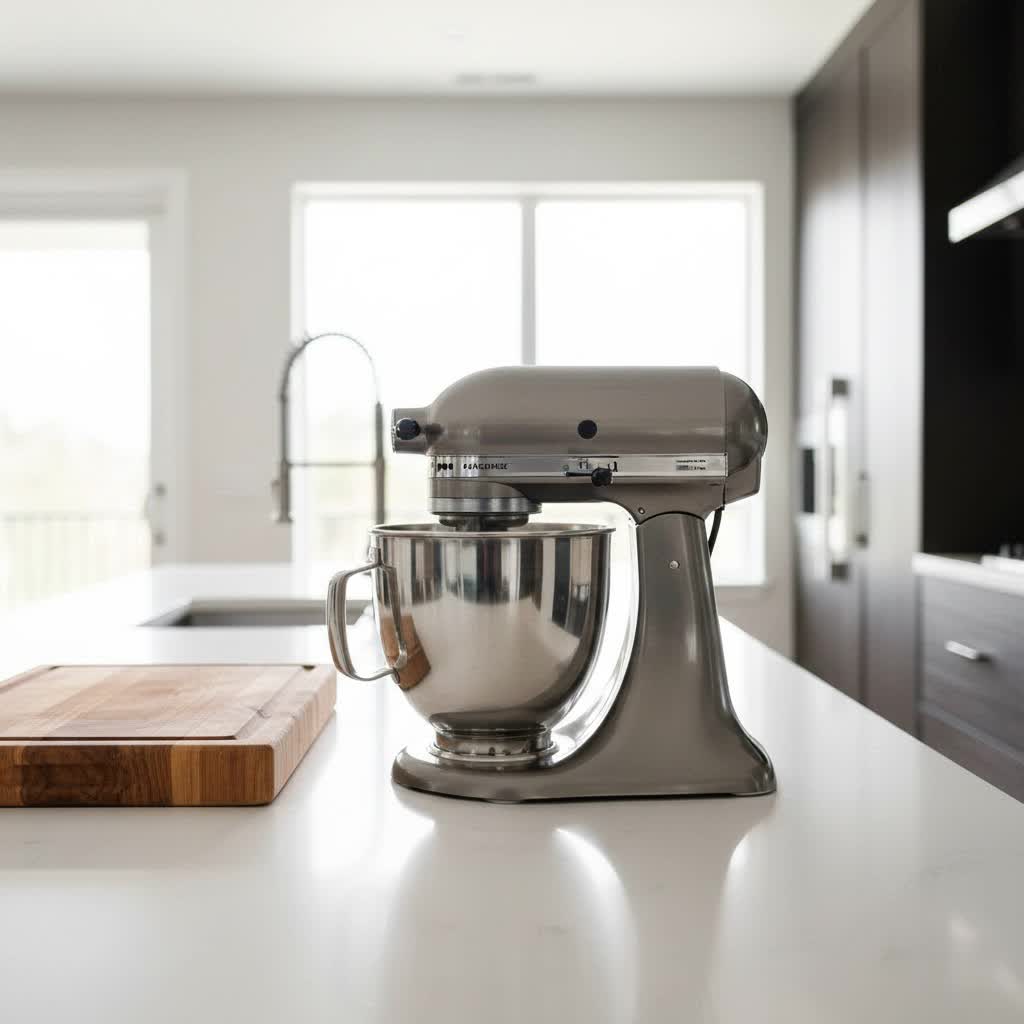
The right stand mixer can dramatically enhance your baking experience, ensuring consistent results and saving precious time and effort. It’s more than just a kitchen gadget; it’s a powerful tool designed to bring efficiency and precision to your baking endeavors.
Overview of Stand Mixers
A stand mixer is an electric kitchen appliance that features a motor, a stationary bowl, and interchangeable attachments designed to automate various mixing tasks. Unlike a hand mixer, it operates hands-free, offering superior power and consistency for a wide range of recipes. Its robust design typically allows it to handle much thicker batters and heavier doughs than a hand mixer ever could.
The concept of a mechanized mixer dates back to the early 20th century. The iconic KitchenAid brand, for instance, introduced its first home stand mixer in 1919, building on earlier industrial designs. Over the decades, stand mixers have evolved, becoming more compact, efficient, and aesthetically diverse, yet their core function remains the same: to simplify and perfect the mixing process.
Today, the market offers several popular types of stand mixers, primarily categorized by their head design:
- Tilt-Head Stand Mixers: These models feature a hinged head that tilts back, providing easy access to the bowl and attachments. They are generally more compact and often preferred by home bakers for everyday tasks like mixing cake batter, cookie dough, and lighter meringues.
- Bowl-Lift Stand Mixers: Designed for heavy-duty tasks and larger batches, bowl-lift mixers have a stationary head, with the bowl securely locking into place and then being raised or lowered by a lever. Their sturdy construction and more powerful motors make them ideal for kneading dense bread doughs and managing high-volume baking.
- Unique Designs: Some brands, like Ankarsrum, offer innovative designs where the bowl rotates from below, while a roller and scraper mix the ingredients. This method is particularly lauded by bread bakers for its effective, gentle kneading that mimics hand-kneading.
Benefits of Using a Stand Mixer for Baking
Incorporating a stand mixer into your baking routine brings a multitude of advantages that can elevate your skills and enjoyment in the kitchen.
- Time and Effort Savings: One of the most significant benefits is the sheer amount of time and manual effort saved. Tasks like creaming butter and sugar, whipping egg whites to stiff peaks, or kneading bread dough can be physically demanding and time-consuming by hand. A stand mixer handles these jobs effortlessly, freeing you to prepare other ingredients or attend to other tasks.
- Versatility in Food Preparation: Beyond its core baking functions, many stand mixers offer incredible versatility with optional attachments. These can transform your mixer into a pasta maker, meat grinder, vegetable spiralizer, or even an ice cream maker, making it a true multi-purpose kitchen workhorse.
- Consistent and Superior Results: Stand mixers deliver consistent power and speed, ensuring ingredients are uniformly mixed every time. This consistency is crucial for achieving the perfect texture and rise in your baked goods, leading to more reliable and professional-quality results, from smooth batters to well-developed bread doughs.
- Ease of Use and Cleaning: While powerful, modern stand mixers are designed for user-friendliness. Simple controls, easy-to-attach accessories, and often dishwasher-safe bowls and attachments make the baking process smoother and cleanup quicker, allowing you to enjoy your culinary creations without dreading the aftermath.
Key Criteria for Choosing a Stand Mixer
Selecting the right stand mixer involves considering several factors to match your baking habits and kitchen needs.
Power and Capacity
The motor’s power and the bowl’s capacity are fundamental to a mixer’s performance.
- Motor Power (Wattage): This is crucial, especially if you plan to bake bread regularly. Motors are typically rated in watts, ranging from 250W to over 750W. For light tasks like whipping cream or cake batters, a lower wattage might suffice. However, for dense bread doughs, cookies, or large batches, a motor of at least 500 watts is generally recommended for optimal performance and longevity. Beyond wattage, the motor’s design and internal gears (e.g., all-metal gears) also impact its efficiency and durability. Mixers like the Bosch Universal, with its powerful belt-driven motor, excel at handling heavy doughs without straining.
- Bowl Capacity: Stand mixer bowls typically range from 3.5 quarts (for compact models) to 7 or even 8 quarts.
- For a small household or occasional baker, a 3.5 to 5-quart mixer is usually sufficient for single batches of cookies, cakes, and lighter bread doughs.
- For larger families or frequent bakers who often make double batches or dense bread, a 5 to 7-quart capacity is more suitable to prevent spills and ensure thorough mixing.
- Professional or high-volume bakers might opt for 7-quart or larger commercial models.
|
Our Picks for the Best Stand Mixer in 2026
As an Amazon Associate I earn from qualifying purchases.
|
||
| Num | Product | Action |
|---|---|---|
| 1 | Kitchen in the box Stand Mixer,3.2Qt Small Electric Food Mixer,6 Speeds Portable Lightweight Kitchen Mixer for Daily Use with Egg Whisk,Dough Hook,Flat Beater (Black) |

|
| 2 | VIVOHOME Stand Mixer, 660W 10 Speed 6 Quart Tilt-Head Kitchen Electric Food Mixer with Beater, Dough Hook, Wire Whip and Egg Separator, Blue |
|
| 3 | VIVOHOME Stand Mixer, 660W 10 Speed 6 Quart Tilt-Head Kitchen Electric Food Mixer with Beater, Dough Hook, Wire Whip and Egg Separator, Red |
|
| 4 | VIVOHOME Stand Mixer, 660W 10 Speed 6 Quart Tilt-Head Kitchen Electric Food Mixer with Beater, Dough Hook, Wire Whip and Egg Separator, Black |
|
| 5 | Kitchen in the box Stand Mixer,3.2Qt Small Electric Food Mixer,6 Speeds Portable Lightweight Kitchen Mixer for Daily Use with Egg Whisk,Dough Hook,Flat Beater (Blue) |
|
| 6 | VIVOHOME 3-in-1 Stand Mixer, 6 Quart Electric Tilt-Head Kitchen Mixer with Bowl, Multifunctional Food Mixer with Meat Grinder and Blender Attachments, Dough Hook, Beater, and Whisk, Red |
|
| 7 | VIVOHOME Stand Mixer, 660W 10 Speed 6 Quart Tilt-Head Kitchen Electric Food Mixer with Beater, Dough Hook, Wire Whip and Egg Separator, Gray |
|
| 8 | VIVOHOME Stand Mixer, 660W 10 Speed 6 Quart Tilt-Head Kitchen Electric Food Mixer with Beater, Dough Hook, Wire Whip and Egg Separator, Pink |
|
| 9 | VIVOHOME Stand Mixer, 660W 10 Speed 6 Quart Tilt-Head Kitchen Electric Food Mixer with Beater, Dough Hook, Wire Whip and Egg Separator, Silver |
|
| 10 | Stand Mixer, Zuccie 4.8QT Kitchen Electric Stand Mixer, 380W Motor Power Food Mixer, 8+P-Speed Dough Mixer with Dough Hook, Wire Whip & Beater, Silver |
|
Remember to consider that mixers perform best when filled to 70-80% of their capacity.
Material and Durability
The construction materials of both the mixer body and the bowl influence its longevity and performance.
- Mixer Body: Common materials include heavy-duty plastic or die-cast metal. Metal bodies offer greater stability, especially during vigorous mixing, and tend to be more durable.
- Mixing Bowl:
- Stainless Steel: The most common choice, known for its durability, lightweight nature, and being dishwasher-safe. Many models feature handles for easier handling.
- Glass: Offers aesthetic appeal and allows you to view the mixing process. Glass bowls can also be used in microwaves or ovens, but they are heavier and more prone to breakage.
- Plastic: Lighter and often more affordable, but less durable and may not be dishwasher or microwave safe.
Attachments and Versatility
Most stand mixers come with a standard set of three essential attachments, each designed for specific tasks:
- Flat Beater (Paddle Attachment): Ideal for creaming butter and sugar, mixing cake batters, cookie doughs, frostings, and even mashing potatoes.
- Wire Whisk (Balloon Whisk): Perfect for incorporating air into ingredients, used for whipping egg whites for meringues, making whipped cream, or light batters.
- Dough Hook: Specifically designed for kneading yeast doughs for bread, pizza, and pastries, saving you from laborious hand-kneading.
Many stand mixers also feature a power hub that allows for a wide array of optional accessories, significantly expanding the mixer’s functionality. These can include meat grinders, pasta makers, spiralizers, food processors, and juicers, transforming your stand mixer into a versatile kitchen appliance.
Speed Settings and Control
A good stand mixer offers multiple speed settings, providing precise control over the mixing process.
- Variable Speeds: Look for mixers with at least 6-10 speed options. This range allows for gentle stirring to incorporate ingredients without splashing, medium speeds for general mixing, and high speeds for whipping and aerating.
- Slow-Start Feature: This is a valuable addition, especially for dry ingredients like flour, as it prevents sudden bursts of speed that can cause clouds of ingredients to escape the bowl.
- Electronic Speed Control: Some advanced models offer electronic feedback control, which maintains a consistent speed even when mixing heavy loads, preventing the motor from slowing down.
Design, Ease of Use, and Cleaning
Ergonomics and maintenance are important for a pleasant user experience.
- Head Type (Tilt-Head vs. Bowl-Lift): As discussed, tilt-head offers easy access, while bowl-lift provides greater stability for heavy tasks. Consider your space and typical usage.
- Controls: Simple, intuitive knobs or levers for speed adjustment contribute to ease of use.
- Stability: A heavier, well-built mixer with rubber feet will be more stable on the countertop, especially when kneading dense doughs, preventing it from “walking” across the counter.
- Cleaning: Look for models with dishwasher-safe bowls and attachments. Smooth surfaces and minimal crevices make manual cleaning easier. Some models, like the Bosch, are praised for their open bowl design which simplifies adding ingredients and cleaning.
Brand, Price, and Warranty
Investing in a stand mixer is often a long-term decision.
- Reputable Brands: KitchenAid is a perennial favorite, known for its durability and wide range of models and colors. Other respected brands include Breville, Bosch, Ankarsrum, Cuisinart, and GE, each offering unique strengths.
- Price: Stand mixers vary widely in price. Entry-level models can be under $200, while high-end, specialized mixers can exceed $700-$800. A good mixer is an investment, often lasting 10-15 years or more with proper care.
- Warranty: Check the warranty period. KitchenAid typically offers a 1-year warranty, while brands like Ankarsrum may offer longer terms (e.g., 7 years for the motor). Understand what the warranty covers and any conditions (e.g., exceeding speed/time limits for heavy doughs can void some warranties).
Comparison of Popular Stand Mixer Models
To help you make an informed decision, here’s a comparison of some highly-regarded stand mixers for baking, highlighting their strengths and ideal uses.
| Feature | KitchenAid Artisan 5-Quart Tilt-Head | KitchenAid 7-Quart Bowl-Lift | Bosch Universal Mixer | Ankarsrum Original Kitchen Machine | Breville Bakery Chef |
|---|---|---|---|---|---|
| Type | Tilt-Head | Bowl-Lift | Bowl-Lift (Unique design, bottom drive) | Unique (Bowl rotates, roller/scraper) | Tilt-Head |
| Motor Power | 325W (often sufficient for most home baking) | 500-650W (robust for heavy loads) | 500W (Belt-driven, excellent for bread) | 600W (Belt-driven, highly efficient for dough) | 550W (Quiet, powerful) |
| Bowl Capacity | 5 Quarts (standard for home use) | 7 Quarts (ideal for large batches, heavy doughs) | ~6.5 Quarts (large, open design) | ~7.5 Quarts (largest capacity for home use) | 5 Quarts (comes with both glass and stainless steel) |
| Key Strengths | Iconic, versatile, wide color range, good for everyday baking, easy to clean | Very stable, powerful for heavy doughs, handles small batches well | Easiest to use for bread, open bowl for adding ingredients, good value | Exceptional for bread dough, mimics hand-kneading, long warranty, quiet | Fast, quiet, efficient presets, built-in timer, integrated light |
| Considerations | Can be loud/wobbly with heavy doughs, slower than competitors, 1-year warranty | Heavy, takes up counter space, higher price | Learning curve for general use, plastic bowl (some models) | High cost, unique operation has a learning curve, heavy | Whisk may not reach bowl bottom for small meringues, limited attachments |
| Best For | General home baking, cookies, cakes, lighter bread doughs | Frequent bakers, heavy bread dough, large batches | Frequent bread bakers, all-around home baker looking for value | Serious bread bakers, those valuing gentle kneading | Home bakers seeking modern features, quick mixing, and quiet operation |
How to Use and Care for Your Stand Mixer
To ensure your stand mixer serves you well for years, proper usage and maintenance are key.
Safe and Effective Usage
- Read the Manual: Always start by consulting your mixer’s instruction manual for specific operating procedures and safety guidelines unique to your model.
- Secure the Bowl and Attachments: Ensure the mixing bowl is properly seated and locked, and the attachment is securely fastened before turning on the mixer.
- Start on Low Speed: Begin mixing at the lowest speed, especially when incorporating dry ingredients, to prevent flour or sugar from flying out of the bowl. Gradually increase speed as needed.
- Don’t Overload: Respect your mixer’s capacity and motor power. Overloading the bowl or forcing the motor with overly stiff dough can cause strain, overheating, and premature wear. If the motor strains or gets hot, reduce the batch size or give it a break.
- Scrape the Bowl: Periodically stop the mixer and use a spatula to scrape down the sides and bottom of the bowl. This ensures all ingredients are thoroughly incorporated. Some flexible edge beaters can help reduce this need.
- Adjust Beater Clearance: If your mixer isn’t reaching the bottom of the bowl effectively, check your manual for instructions on how to adjust the beater-to-bowl clearance. A simple adjustment can dramatically improve mixing performance.
Cleaning and Storage
- Unplug Before Cleaning: Always unplug your stand mixer from the power outlet before cleaning or changing attachments.
- Dishwasher-Safe Parts: Many stainless steel bowls and attachments (flat beaters, dough hooks) are dishwasher-safe. However, some coated attachments or whisk wires might require hand washing to prevent damage or discoloration. Always check your manual.
- Wipe Down the Base: Use a damp cloth to wipe down the mixer’s base and motor head, removing any splashes or spills. Avoid harsh abrasive cleaners.
- Dry Thoroughly: Ensure all parts are completely dry before reassembling or storing to prevent rust or mildew.
- Storage: If you have limited counter space, store your mixer in a low cabinet, ensuring the cabinet can support its weight. Consider a dust cover if it stays on the counter to keep it clean between uses.
Common Issues and Troubleshooting
- Wobbling/Shaking: Common with tilt-head mixers, especially with heavy doughs or at high speeds. Ensure it’s on a stable, flat surface. Some bakers place a damp towel underneath for extra grip.
- Motor Overheating/Straining: Indicates overloading or using it for too long with dense mixtures. Reduce batch size, lower speed, or let it cool down.
- Ingredients Not Incorporating Fully: Often due to improper beater clearance or not scraping the bowl. Adjust the beater or manually scrape.
- Unusual Noises: Could be a sign of strain, internal issues, or loose attachments. Refer to your manual or contact customer support.
Where to Purchase Your Stand Mixer
Finding the right stand mixer is easier than ever with a variety of retail options.
- Appliance and Department Stores: Major retailers like Williams Sonoma, Target, and Best Buy offer a selection of popular brands. These stores often allow you to see the mixers in person, compare sizes, and sometimes catch promotional deals.
- Online Retailers: Websites like Amazon offer an extensive range of models, often with competitive pricing and detailed customer reviews. Manufacturer websites (e.g., KitchenAid.com, Breville.com) also provide direct sales and detailed product information.
- Club Stores: Warehouses like Costco can sometimes have excellent deals on popular stand mixer models, especially KitchenAid.
When buying online, pay close attention to product specifications, customer reviews, and return policies. Look out for sales events like Black Friday, Cyber Monday, or holiday promotions for potential savings.
Buying Guide: Your Stand Mixer Checklist
To simplify your decision, consider these crucial questions before making your purchase:
- What will be your primary use? (e.g., occasional cakes/cookies, frequent bread baking, large batches for events). This will dictate the required motor power and bowl capacity.
- How much counter space do you have? Tilt-head models are generally more compact than bowl-lift designs.
- What is your budget? Determine your comfortable price range, but remember that a higher upfront cost often translates to better durability and performance.
- Which attachments are essential for your baking? Ensure the basic paddle, whisk, and dough hook are included, and consider any desirable optional accessories.
- Do you prioritize ease of cleaning? Look for dishwasher-safe components and simple designs.
- Is stability important for your heaviest tasks? If so, a bowl-lift model or a mixer known for its heavy, stable base will be a better fit.
- Are you comfortable with a learning curve for unique designs? (e.g., Ankarsrum’s distinct operation).
By answering these questions, you can create a personalized checklist that will guide you to the stand mixer that perfectly complements your baking style and ambitions.
Conclusion
Choosing the ideal stand mixer for your baking needs is a pivotal step towards unlocking new levels of culinary creativity and efficiency. From the foundational tasks of creaming and whipping to the demanding art of kneading bread, a well-chosen stand mixer becomes an indispensable extension of your passion. Evaluate your baking frequency, ingredient volume, and specific recipe demands to find a mixer with the right balance of power, capacity, and specialized attachments. Whether you opt for a versatile KitchenAid, a bread-making powerhouse like the Ankarsrum or Bosch, or a feature-rich Breville, investing in this essential appliance promises years of effortless and enjoyable baking. What delectable creations will you bring to life with your new stand mixer?
Frequently Asked Questions
What size stand mixer should you get for home baking?
Most home bakers find a 5-quart stand mixer to be a versatile choice, suitable for single batches of cookies, cakes, and most bread recipes. If you frequently bake for a large family or make double batches, a 6- or 7-quart model would be more appropriate.
Can you use a stand mixer for bread dough?
Absolutely! Stand mixers, especially those with powerful motors (500 watts or more) and a sturdy dough hook attachment, are excellent for kneading bread dough. They save significant time and effort compared to hand-kneading and help develop gluten consistently for better bread texture.
Are all stand mixer attachments dishwasher safe?
Not all attachments are dishwasher safe. While many stainless steel bowls and standard attachments (like metal flat beaters and dough hooks) can typically go in the dishwasher, some coated or aluminum parts, or delicate wire whisks, may require hand washing to maintain their finish and integrity. Always check your specific mixer’s manual.
What is the difference between tilt-head and bowl-lift mixers?
A tilt-head mixer has a hinged head that lifts to allow access to the bowl and attachments, making it generally more compact and easier for everyday use. A bowl-lift mixer features a stationary head, with the bowl raised and lowered via a lever, offering greater stability and power for large batches and heavy doughs like bread.
How do you keep your stand mixer from moving on the counter?
To prevent your stand mixer from moving or “walking” on the counter, ensure it is placed on a flat, sturdy surface. Placing a damp towel or a non-slip mat underneath the mixer can provide extra grip. Heavier, more stable models, particularly bowl-lift designs, also tend to move less during operation.
